Experiences & Activities
Modern hotel stays extend far beyond simply booking a room for the night. The experiences and activities available within a hotel property can fundamentally transform a trip from merely functional to genuinely restorative, productive, or enjoyable. Whether you’re traveling for business presentations, athletic competitions, wellness recovery, or leisure exploration, understanding the full spectrum of hotel amenities allows you to maximize both comfort and value during your stay.
The challenge many travelers face isn’t a lack of facilities—it’s knowing which services genuinely deliver on their promises, how to verify quality before booking, and when to utilize them for optimal results. From spa treatments that can either enhance or undermine your schedule to fitness equipment that may or may not support your training regimen, the details matter significantly. This comprehensive overview examines the essential categories of hotel experiences and activities, equipping you with the knowledge to make informed decisions that align with your specific travel needs.
Wellness and Recovery Facilities: Beyond Basic Spa Services
The wellness sector within hospitality has expanded dramatically, yet this growth has created confusion about what constitutes genuine wellness infrastructure versus marketing terminology. Approximately 40% of wellness-focused hotels lack third-party accreditation for their programs, making verification essential before committing to a recovery-focused stay.
Authentic wellness facilities typically include comprehensive treatment menus supervised by qualified therapists, dedicated quiet spaces for meditation or reflection, and programs designed around evidence-based recovery principles. The distinction between a spa hotel—focused primarily on pampering treatments—and a wellness hotel—centered on measurable health outcomes—affects everything from staff qualifications to treatment scheduling philosophy.
Timing plays a crucial role in wellness retreat effectiveness. Burnout recovery programs, for instance, show measurably better outcomes when scheduled during periods of genuinely reduced work demands rather than squeezed between major projects. Similarly, treatments scheduled to align with your natural circadian rhythms can enhance recovery effectiveness by up to 30%, which is why some progressive wellness hotels now offer sleep-cycle consultations to optimize treatment timing.
In-Room Dining: Understanding the Room Service Premium
Room service represents one of hospitality’s most convenient yet frequently misunderstood amenities. The typical 60% markup over restaurant pricing reflects not just delivery logistics but also kitchen scheduling complexities, specialized packaging, and dedicated staffing. Understanding these economics helps travelers make strategic decisions about when room service genuinely adds value versus when it simply inflates costs unnecessarily.
The most common room service mistake—ordering items that don’t travel well—can easily double your effective cost through quality degradation. Delicate presentations, temperature-sensitive dishes, and items requiring immediate consumption rarely justify the premium once they arrive lukewarm or soggy after their journey through hotel corridors.
Guaranteed delivery times, when offered, typically require specific ordering windows and menu limitations. Hotels that promise 20-minute delivery guarantees usually achieve this through pre-prepared components and simplified menus during peak periods. Requesting full restaurant menu access via room service is often possible but may extend delivery times significantly, as kitchen staff must interrupt regular service flow to accommodate special orders.
Spa and Body Treatments: Matching Services to Your Needs
Facial Treatments and Skin Care Timing
Air travel creates measurable skin dehydration through low cabin humidity, with effects typically manifesting within 24 hours of landing. This physiological reality explains why many business travelers schedule facial treatments shortly after arrival—but timing matters more than most realize. Express facials (30-40 minutes) minimize reaction risk before important meetings, while deep treatments require 48-72 hours of buffer time to ensure any potential inflammation subsides before crucial presentations.
Approximately 15% of individuals with sensitive skin experience temporary reactions to certain facial products, even professional-grade formulations. Scheduling treatments to align with your natural sleep cycle—specifically, booking them for late afternoon when skin cell regeneration begins accelerating—can enhance absorption and effectiveness while minimizing visible reactivity during waking hours.
Body Wraps, Scrubs, and Recovery Therapies
Body treatments serve distinctly different purposes than massage therapy, yet many travelers conflate them. Body wraps utilize mineral-rich compounds or heated materials to promote circulation and muscle relaxation through sustained warmth—a mechanism that often exceeds standard hot baths for muscle recovery because of more consistent temperature maintenance and therapeutic ingredient absorption.
Body scrubs remove dead skin cells while stimulating surface circulation, making them ideal before intensive sightseeing days when increased walking demands optimal circulation. Conversely, scheduling intensive exfoliation treatments immediately after multi-day hiking trips may cause discomfort on already-stressed skin. The timing mistake that reduces recovery effectiveness by roughly 50% involves booking multiple intensive treatments consecutively without allowing adequate recovery time between sessions.
Massage Specializations and Therapist Qualifications
Not all massage modalities address the same conditions. Swedish massage, with its flowing, lighter-pressure techniques, excels for general relaxation and stress reduction but typically provides inadequate relief for chronic lower back pain sufferers, who usually require the targeted pressure of deep tissue or sports massage approaches.
Verifying therapist qualifications protects both treatment effectiveness and physical safety. Regulatory standards vary, but reputable hotel spas employ therapists with recognized certifications and specific training in the modalities they offer. The pressure request that most frequently causes injury involves clients asking for « maximum pressure »—untrained or less experienced therapists may apply excessive force without proper technique, potentially causing bruising or muscle strain rather than therapeutic benefit.
Relaxation and Quiet Spaces: Evaluating True Tranquility
Hotel relaxation lounges can reduce cortisol levels approximately 30% more effectively than in-room rest, primarily because dedicated quiet spaces provide psychological separation from work materials and travel logistics that typically clutter hotel rooms. However, not all advertised « relaxation areas » deliver genuine quietude.
Verification requires specific questions before booking: Are these spaces genuinely adult-only? What are their operating hours? Are they located near high-traffic areas like breakfast rooms or fitness centers? The disappointingly common scenario involves relaxation areas that function as overflow breakfast spaces during morning hours, fundamentally undermining their quiet-space purpose.
Library lounges typically offer superior noise control compared to rooftop terraces, which face unpredictable weather, urban noise, and often serve dual purposes as event venues. Using hotel relaxation facilities during mid-morning or mid-afternoon periods—between breakfast/checkout rushes and evening social hours—typically ensures optimal peace and solitude.
Swimming Facilities: Recreational Versus Serious Exercise
Swimming pools deliver higher calorie expenditure per hour than most hotel gym equipment, yet fewer than 30% of hotel pools provide adequate infrastructure for serious lap swimming. Pool depth represents the critical specification—anything less than 1.2 meters (approximately 4 feet) makes proper swimming technique difficult or impossible for adults, effectively limiting the pool to recreational use.
Rooftop pools offer aesthetic appeal but rarely serve serious lap swimmers well due to typically shorter lengths, irregular shapes optimized for lounging, and wind interference. Basement or ground-floor pools more commonly provide the consistent dimensions and lane markers needed for structured swimming workouts.
Identifying hotels with lap-swimming capability requires examining pool specifications beyond simple presence/absence: look for dedicated lap lanes, appropriate depth throughout, and length of at least 15-20 meters. Timing strategies to avoid family crowds typically involve early morning sessions (before 8 AM) or evening periods after children’s bedtime (after 8 PM).
Fitness and Sports Amenities: Meeting Athletic Training Needs
Maintaining athletic performance during travel demands more than basic cardio equipment. Approximately 60% of serious amateur athletes report that hotel sports areas fail to meet their training requirements, with missing equipment disrupting carefully structured programs.
The most common gaps involve free weights beyond basic dumbbells, adjustable benches for varied exercises, proper stretching areas with foam rollers and mats, and sport-specific equipment like resistance bands or kettlebells. Verifying equipment quality and variety before confirming bookings protects training continuity—request specific equipment lists rather than accepting generic descriptions like « fully equipped gym. »
Training timing significantly affects gym crowding. Peak occupancy typically occurs during early morning (6-8 AM) and early evening (6-8 PM) when business travelers fit workouts around meetings. Mid-morning (9-11 AM) or afternoon (2-5 PM) sessions usually ensure equipment availability and shorter wait times.
Garment Care Services: Maintaining Professional Presentation
Professional presentation demands reliable garment care access, yet same-day dry cleaning remains impossible at roughly 70% of hotels due to outsourcing arrangements and limited pickup/delivery windows. This reality makes verification before booking essential for business travelers with tight schedules and limited wardrobe options.
Quality standards vary dramatically between hotel-managed and outsourced dry cleaning services. Approximately one in twenty hotel-processed garments experiences some form of error—from minor issues like missing buttons to significant problems like color bleeding or fabric damage. Hotels with on-site facilities typically demonstrate better quality control and faster turnaround than those relying on external vendors.
The comparison between hotel dry cleaning and local services often favors independent cleaners for both value and quality, particularly for extended stays. However, convenience and liability protection—hotels typically accept responsibility for garment damage—may justify the hotel premium for short business trips.
Packing wrinkle-resistant business attire represents the most effective strategy for eliminating dry cleaning dependency entirely. Modern fabric technologies allow professional appearance maintenance through simple hanging and steaming, reducing both costs and the risk of service-related delays or damage.

Does the Tootbus Tuscany bus pass include an onboard audio guide?
Many travelers planning a trip through Tuscany want to know whether the Tootbus Tuscany bus pass includes an onboard audio guide. The answer is yes. Travelers benefit from an interactive audio experience during their journeys between major Tuscan destinations, while…
Lire la suite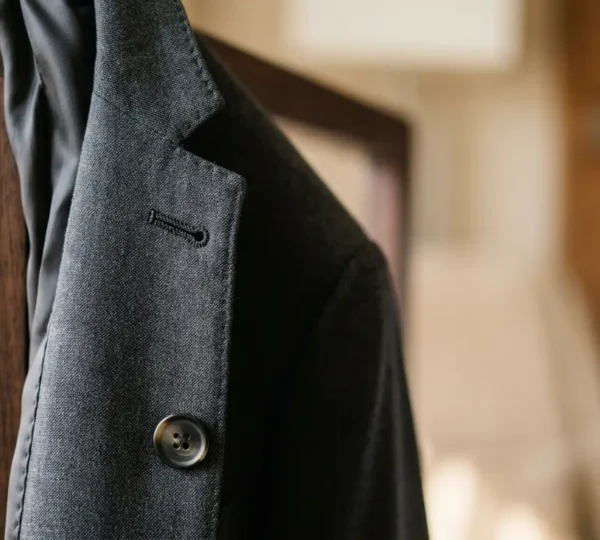
Preserving Executive Presentation Through Reliable Garment Care While Traveling
Maintaining an impeccable professional appearance during travel is not a matter of luck, but of strategic risk management. Most hotel dry cleaning services are outsourced, creating inherent quality and timeline risks you must proactively vet. Building a travel-ready capsule wardrobe…
Lire la suite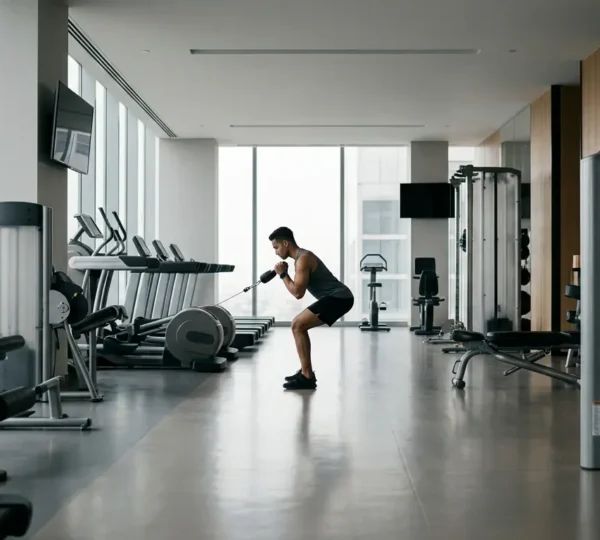
Maintain Peak Athletic Performance: The Competitive Athlete’s Guide to Hotel Gyms
The « fully equipped » hotel gym is a marketing illusion; maintaining your training program on the road requires a rigorous, intelligence-led verification strategy. Effective preparation involves a digital reconnaissance protocol to see past misleading professional photos and confirm the presence of…
Lire la suite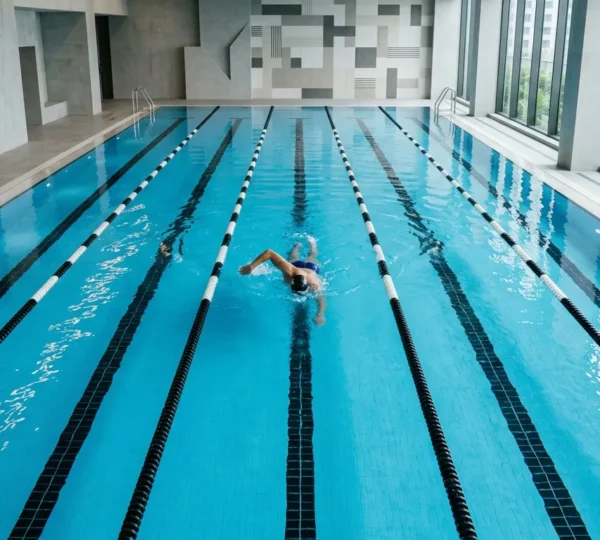
Integrating Aquatic Fitness Into Travel: A Guide to Hotel Pool Facilities
The greatest obstacle to maintaining a swimming routine while traveling is that most hotel pools are leisure amenities, not performance-ready fitness infrastructure. Effective training depends on specific technical criteria like pool length, shape, depth, and lane markings, which are rarely…
Lire la suite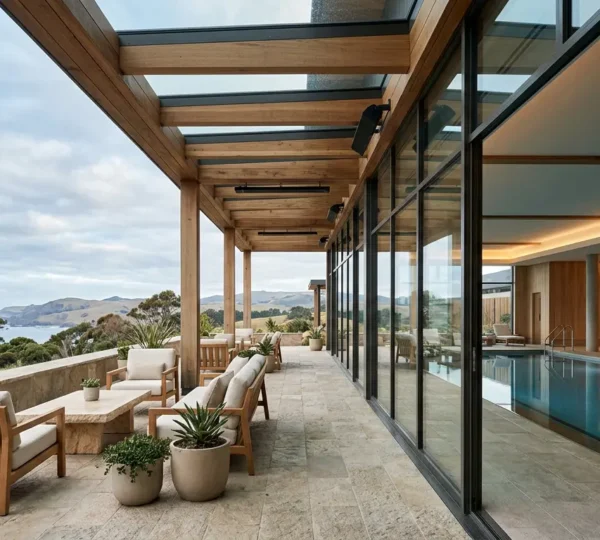
The UK Holiday Guarantee: How to Secure Weather-Proof Enjoyment with Dual-Facility Hotels
In summary: The key to a weather-proof UK holiday is not just finding hotels with dual facilities, but actively verifying their quality and availability before you book. Hotels with high-quality, equivalent indoor and outdoor options see dramatically higher guest satisfaction,…
Lire la suite
Medical-Grade Massage for Travellers: Finding a Qualified Therapist for Chronic Pain
Most travellers believe any hotel spa massage will ease their chronic pain, a risky assumption that often leads to disappointment or injury. This guide reveals that true therapeutic relief comes not from generic requests for ‘deep pressure,’ but from the…
Lire la suite
Your Active Holiday is an Athletic Event: A Sports Therapist’s Guide to Peak Recovery
The biggest recovery mistake active travellers make is treating aches and pains with generic relaxation instead of targeted, athletic-level care. Your body accumulates « physiological debt » from days of walking or hiking, which a simple hot bath cannot repay. The timing,…
Lire la suite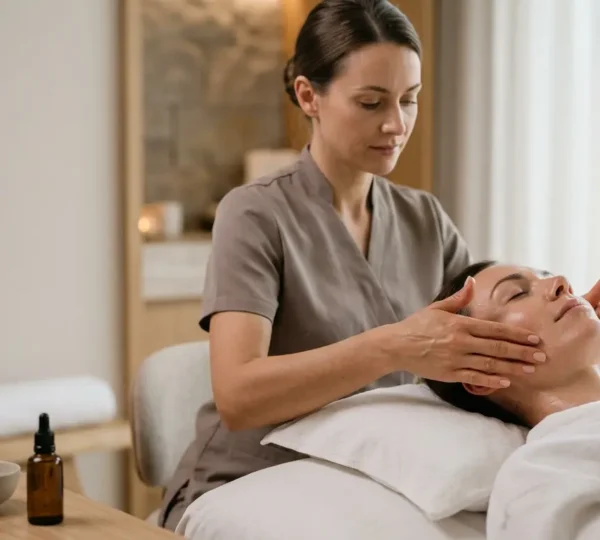
Accessing Professional Facial Treatments to Counter Flight and Climate Skin Damage
Business travel’s impact on your skin is not just cosmetic; it’s a measurable degradation of your professional appearance that requires a strategic response. Airplane cabins dehydrate skin at a clinical level, compromising its barrier and requiring professional intervention ideally within…
Lire la suite
Finding Hotels With Genuine Quiet Spaces for Stress Recovery and Mental Rest
True stress recovery for professionals hinges not on a quiet room, but on finding hotels with operationally validated quiet ‘third spaces’ deliberately engineered for mental decompression. Assess a hotel’s commitment to quiet by looking for signs of acoustic integrity (soundproofing,…
Lire la suite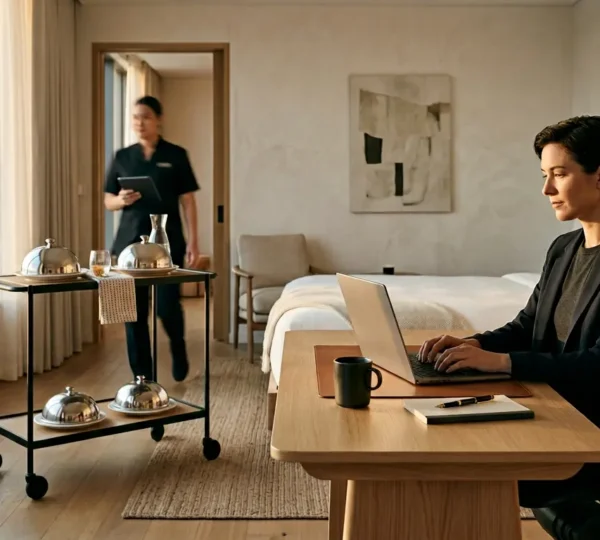
The Executive’s Playbook: Turn Hotel Room Service into a Productivity Engine
For the time-crunched professional, viewing hotel services as mere amenities is a strategic failure. The real advantage lies in treating them as operational assets. Mastering hotel logistics—from kitchen peak hours to laundry cut-offs—transforms unpredictable travel into a controlled, productive environment….
Lire la suite