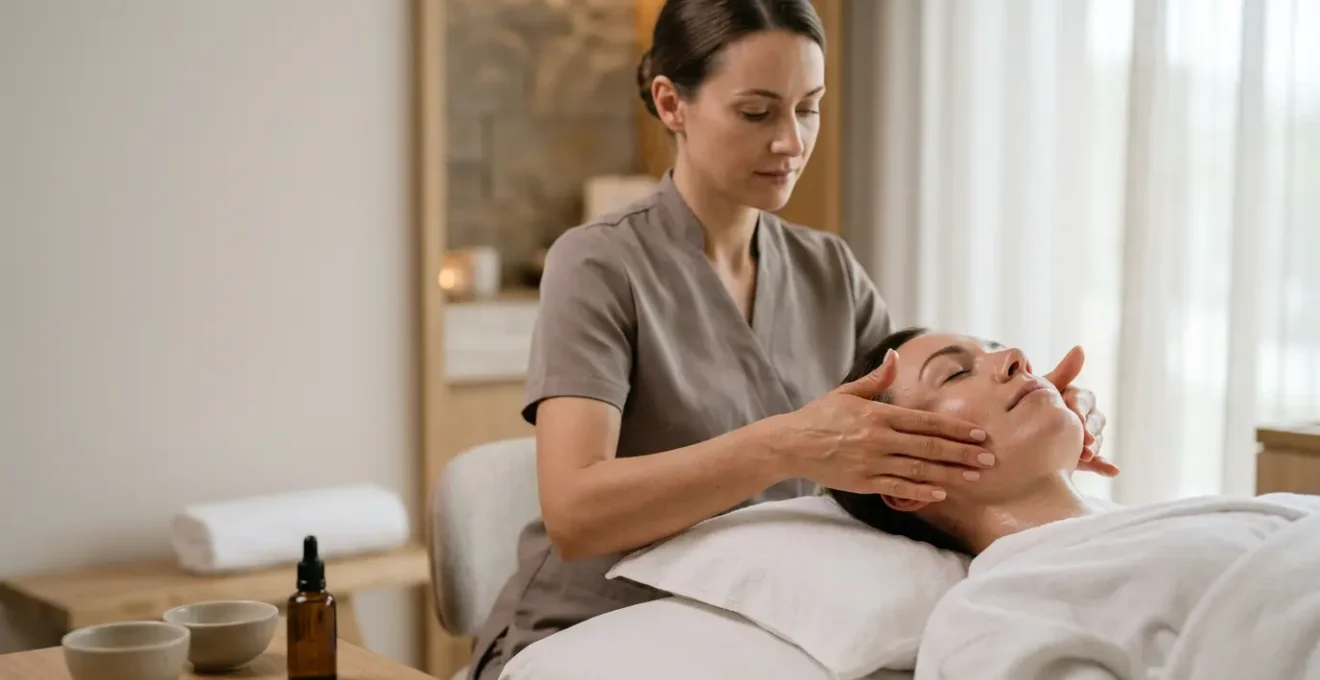
Business travel’s impact on your skin is not just cosmetic; it’s a measurable degradation of your professional appearance that requires a strategic response.
- Airplane cabins dehydrate skin at a clinical level, compromising its barrier and requiring professional intervention ideally within 24 hours of landing.
- Strategic booking and timing transform facials from a luxury into a targeted tool, making them both affordable and maximally effective for pre-meeting readiness or post-flight recovery.
Recommendation: Integrate targeted hotel spa treatments into your travel routine as a non-negotiable component of your professional appearance maintenance toolkit.
For the dedicated business traveller, maintaining a sharp, professional appearance is not a matter of vanity; it is a fundamental component of the job. Yet, the very nature of frequent travel wages a silent war on your skin. The dullness, breakouts, and fine lines that appear after a long-haul flight are not just signs of fatigue—they are symptoms of significant environmental stress. While common advice centres on drinking water and using a face mist, these are merely temporary measures for a problem that is deeply physiological.
The standard approach to travel skincare often overlooks the core issue: the severe, quantifiable damage inflicted by the aircraft cabin environment. This isn’t a problem that can be solved with a simple sheet mask. It requires a more robust, professional strategy. The key to mitigating this occupational hazard lies not in viewing spa treatments as a sporadic luxury, but in integrating them as a calculated, non-negotiable part of your travel protocol. It’s about shifting the mindset from « pampering » to strategic « appearance maintenance. »
This guide will deconstruct the science behind travel-induced skin damage and provide a clear framework for using professional facial treatments as a powerful tool. We will explore how to access these services efficiently, choose the right protocol for your specific needs, and schedule them for maximum biological impact. It is time to treat your skin with the same strategic importance as your business itinerary.
To navigate this essential aspect of professional maintenance, we have structured this guide to address the most critical questions and strategies. Explore the sections below to build your own effective travel skincare protocol.
Summary: A Strategic Framework for Travel-Resilient Skin and Professional Readiness
- Why Air Travel Dehydrates Skin Requiring Professional Care Within 24 Hours
- How to Book Hotel Spa Facials at Half the High Street Salon Price
- Express Facial or Deep Treatment: Which Before an Important Client Meeting?
- The Facial Treatment That Causes Reactions in 15% of Sensitive Skin Types
- How to Schedule Facial Treatments to Align With Your Natural Sleep Cycle
- What Does « Body Scrub » Include in British Hotel Spa Treatment Menus?
- How to Pack Wrinkle-Resistant Business Attire Eliminating Dry Cleaning Dependency
- Alleviating Muscle Fatigue and Soreness From Active Holiday Physical Demands
Why Air Travel Dehydrates Skin Requiring Professional Care Within 24 Hours
The dry, tight feeling your skin develops during a flight is not an illusion; it’s a measurable physiological response to an extreme environment. The core issue is the dramatic drop in humidity. While a comfortable home environment has 40-50% humidity, a clinical study on long-distance flights confirmed that relative humidity in aircraft cabins dropped to levels below 10% within two hours of takeoff. This desert-like air aggressively pulls moisture from your skin, a process known as transepidermal water loss (TEWL). The result is a compromised skin barrier, leading to dehydration, increased sensitivity, and a dull, fatigued appearance.
This rapid dehydration is why at-home remedies often fall short. A compromised barrier cannot effectively retain moisture or protect itself from irritants. This is precisely why professional intervention is not a luxury but a necessity for rapid recovery. A targeted rehydration facial within 24 hours of landing can deliver concentrated active ingredients like hyaluronic acid and ceramides far deeper than topical creams alone. This immediate professional care is crucial to restore skin barrier integrity, reverse the visible signs of flight-induced stress, and restore your complexion to a client-ready state before an important meeting.
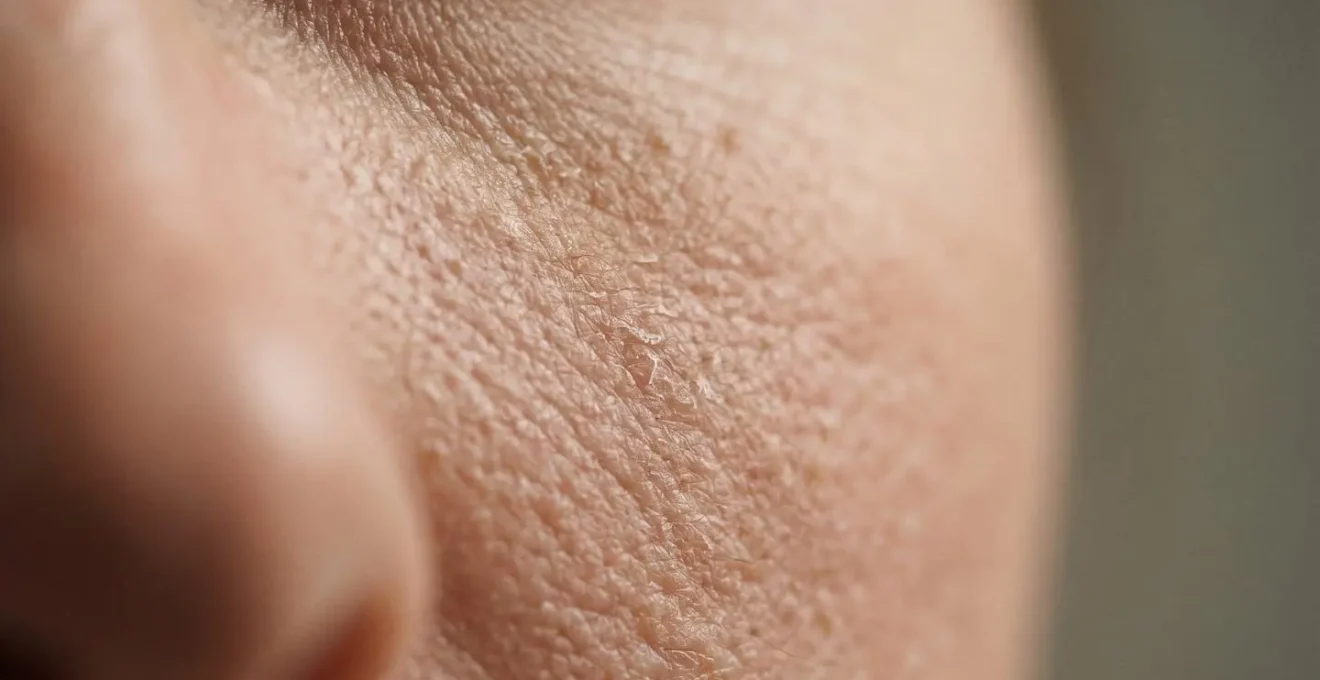
As this magnified view illustrates, dehydration is not just a surface-level issue. It creates microscopic cracks in the skin’s protective barrier, accelerating moisture loss and leaving the skin vulnerable. A professional treatment directly addresses this structural damage, going beyond simple moisturising to actively repair the foundation of healthy skin. This is the critical first step in your post-flight recovery protocol.
How to Book Hotel Spa Facials at Half the High Street Salon Price
The primary barrier to integrating facials into a regular travel routine is often the perceived cost. However, for the strategic traveller, a hotel spa’s high-end price list is not a fixed barrier but a starting point for negotiation. By understanding spa revenue management, you can consistently access professional treatments at a fraction of the advertised cost. Spas, like airlines, operate on a perishable inventory model—an unfilled appointment slot is lost revenue. This creates opportunities.
The most effective tactic is to inquire about ‘unfilled slots’ or ‘last-minute’ availability upon check-in. Spas are often willing to discount these appointments significantly to ensure their therapists remain productive. Another key strategy is to unbundle services; request a ‘treatment-only’ price that excludes facility access (pool, sauna), which you likely already have as a hotel guest. Furthermore, always leverage your status. Many premium hotel loyalty programs can provide a property credit of up to $150 or more, which can be applied directly to spa services, effectively making a treatment partially or fully complimentary.
Do not underestimate the power of the hotel concierge. They often have access to preferred partner rates or package deals not advertised to the general public. By combining these tactics—inquiring about last-minute deals, unbundling services, leveraging loyalty status, and consulting the concierge—you can reframe the cost of a professional facial from a prohibitive expense to a manageable, high-ROI investment in your professional appearance.
Express Facial or Deep Treatment: Which Before an Important Client Meeting?
Choosing the right facial is a tactical decision dictated by your schedule and objectives. Not all treatments are suitable for every situation, especially when a critical client meeting is on the line. The choice between an express facial and a deep treatment is a classic case of balancing immediate results against long-term repair, with downtime being the critical variable.
An Express Facial (typically 30 minutes) should be your default choice for a pre-meeting refresh. Its primary objective is to deliver a visible, immediate boost with zero downtime. The protocol focuses on:
- Hydration: A surge of moisture using hyaluronic acid serums and hydrating masks to plump fine lines caused by dehydration.
- Calming: Gentle massage and anti-inflammatory ingredients to reduce any travel-induced redness or puffiness.
- Radiance: A light enzymatic exfoliation to remove dull surface cells, instantly brightening the complexion.
This treatment is designed to make you look rested, polished, and ready, leaving your skin glowing, not red or irritated.
Conversely, a Deep Treatment (60-90 minutes), which may include intensive extractions, microdermabrasion, or stronger chemical peels, is best reserved for post-trip recovery. While highly effective for addressing long-term concerns like congestion and pigmentation, these more aggressive modalities often require a 24-48 hour recovery period where redness and sensitivity are common. Scheduling a deep treatment the day before a meeting is a high-risk gamble that can compromise your professional appearance. The rule is simple: pre-meeting, prioritize immediate glow; post-trip, focus on deep repair.
The Facial Treatment That Causes Reactions in 15% of Sensitive Skin Types
While most professional facials are beneficial, certain aggressive treatments can backfire, especially on travel-stressed, sensitive skin. The most common culprit for adverse reactions—affecting a significant portion of the population—is any form of deep, aggressive exfoliation. This includes harsh chemical peels, aggressive microdermabrasion, and overzealous extractions. These treatments function by stripping away the outer layer of the skin to reveal newer skin underneath. However, when your skin is already compromised by travel, this can be a recipe for disaster.
The problem is that post-flight skin has a weakened barrier. Subjecting it to a powerful peel or scrub can further compromise this barrier, leading to increased redness, inflammation, and even breakouts. This risk is confirmed by experts in the field. As Medical Aesthetician Audrey Matney states in an interview with Islands Magazine:
Avoid deep exfoliation, chemical peels, or aggressive extractions. These treatments compromise the skin barrier, exposing freshly exfoliated skin to the dry, bacteria-filled cabin air — a recipe for breakouts.
– Audrey Matney, Medical Aesthetician, New York City (Islands Magazine Interview)
Instead of aggressive exfoliation, the correct post-flight protocol should focus on repair and calming. Opt for treatments that emphasize replenishing the skin barrier with ingredients like ceramides, niacinamide, and hyaluronic acid. A gentle, hydrating facial will restore balance and resilience, providing a healthy glow without the risk of a reactive flare-up that could take days to subside.
How to Schedule Facial Treatments to Align With Your Natural Sleep Cycle
Maximising the return on your investment in a facial goes beyond the treatment room. The timing of your appointment can be strategically aligned with your body’s natural circadian rhythms to significantly amplify the benefits, particularly in the context of jet lag and sleep disruption. Your skin, like the rest of your body, operates on a 24-hour clock, with distinct ‘repair’ and ‘protect’ modes.
For post-flight recovery, scheduling a facial in the evening (6-8 PM) is the most effective strategy. During the night, your skin’s natural repair processes, including cell regeneration, are at their peak. An evening facial packed with reparative ingredients like peptides and antioxidants works in synergy with this cycle, providing the building blocks for optimal overnight recovery. Furthermore, facials that incorporate gentle, rhythmic massage and calming ingredients like magnesium can help trigger the parasympathetic nervous system, lowering cortisol levels and promoting a more restful sleep—a powerful tool for combating jet lag.
Conversely, if your goal is to prepare for a full day of meetings or activities, a morning facial (8-10 AM) is more appropriate. The focus of this treatment should be on the ‘protect’ protocol. This involves loading the skin with antioxidants like Vitamin C to shield against environmental pollutants and finishing with a high-quality, non-greasy SPF to protect against incidental UV exposure. By aligning the treatment’s objective with your body’s natural cycle, you ensure the ingredients are deployed when they can be most effective, turning a standard facial into a highly optimised performance tool.
What Does « Body Scrub » Include in British Hotel Spa Treatment Menus?
For the frequent traveller, the term « body scrub » on a UK hotel spa menu signifies more than just an aesthetic skin-smoothing treatment. It represents a functional, highly effective tool for combating a common side effect of long-haul flights: fluid retention and puffiness. While the primary purpose is exfoliation—removing dull, dry skin with materials like salt, sugar, or coffee grounds—the true benefit for the business traveller lies in the application technique.
A standard British hotel spa body scrub protocol is a vigorous, full-body treatment typically lasting 30-50 minutes. The therapist uses firm, sweeping motions that work to stimulate both blood circulation and, critically, the lymphatic system. This manual stimulation helps to drain the excess fluid that can accumulate in the legs, ankles, and throughout the body after hours of sitting in a pressurised cabin. This makes it an excellent recovery treatment to schedule after a long flight, directly addressing the physical feeling of sluggishness and swelling.
Case Study: The Functional Benefits of a Post-Flight Body Scrub
Hotel spa body scrub treatments provide benefits beyond aesthetic exfoliation for travelers. The vigorous manual application technique used in body scrubs serves as a powerful tool to stimulate circulation and lymphatic drainage, directly addressing the ‘puffy’ feeling and fluid retention common after long-haul flights. Treatment protocols typically cover the back, arms, legs, and feet. A critical point to clarify when booking is whether post-shower moisturiser application is included. This final step is essential for locking in hydration, a crucial benefit for skin dehydrated by travel.
When booking, it’s essential to ask two clarifying questions to maximise the treatment’s value. First, confirm the duration and areas covered to ensure it meets your needs. Second, and most importantly, ask if a post-shower moisturiser or oil application is included in the service. After exfoliation, the skin is primed for absorption, and this final step is vital for locking in moisture and completing the post-flight rehydration process.
How to Pack Wrinkle-Resistant Business Attire Eliminating Dry Cleaning Dependency
A polished appearance extends beyond skincare; it encompasses your entire presentation, and wrinkled attire can undermine an otherwise professional image. Relying on hotel dry cleaning is both time-consuming and expensive. The strategic solution lies in a two-pronged approach: selecting the right fabrics and mastering advanced packing techniques.
Your travel wardrobe should be built around the ‘Fabric Trinity’ of performance materials. Merino wool is paramount; its natural crimp makes it incredibly wrinkle-resistant while also offering superior odor control. Tencel is another excellent choice, with a smooth fiber structure that naturally resists creasing. Finally, modern technical nylon/polyester blends are specifically engineered for travel, offering durability and wrinkle-free performance straight from the suitcase. Prioritising these fabrics is the first line of defence against a crumpled appearance.
Even with the right fabrics, packing technique is crucial. The ‘Hotel Bathroom Steam Hack’ is a well-known trick, but it can be significantly enhanced. First, lightly mist garments with a travel-sized de-wrinkling spray before hanging them in the bathroom during your shower. The combination of the formula’s relaxing agents and the steam is far more effective than steam alone. This proactive approach to wardrobe maintenance ensures you arrive at every meeting looking sharp and composed, without dependency on external services.
Action Plan: Auditing Your Wrinkle-Free Packing System
- Fabric Inventory: Review your travel essentials. List all items and identify which are made from Merino wool, Tencel, or technical blends versus wrinkle-prone fabrics like linen or 100% cotton.
- Packing Method Assessment: Inventory your current techniques. Are you using the bundle wrapping method for blazers and trousers and rolling for casual items? Document your process.
- Tool Kit Check: Confront your current setup. Do you have travel-size de-wrinkling spray and a small spray bottle for a DIY fabric softener solution? List what you need to acquire.
- Unpacking Protocol Review: Evaluate your arrival routine. Are you immediately unpacking and hanging garments, or are they left in the suitcase? Compare your habit to the best practice of immediate unpacking.
- Integration Plan: Identify the biggest « wrinkle » in your system. Prioritise acquiring the key fabrics or tools you’re missing and commit to the immediate unpacking protocol on your next trip.
Key takeaways
- Air travel’s low humidity causes scientifically measurable skin dehydration, making professional facials a recovery necessity, not a luxury.
- Strategic booking—targeting off-peak hours, leveraging loyalty status, and unbundling services—can cut hotel spa costs by up to 50%.
- The key to a successful travel skincare protocol is matching the treatment (Express vs. Deep) and timing (Morning vs. Evening) to your specific professional objectives and biological rhythms.
Alleviating Muscle Fatigue and Soreness From Active Business Travel Demands
The physical demands of business travel extend beyond sitting on a plane. Long days spent walking through airports, standing at conferences, or navigating a new city between meetings can lead to significant muscle fatigue and soreness. This physical strain, much like skin dehydration, is an occupational hazard that can detract from your performance. Fortunately, effective recovery protocols can be implemented directly in your hotel room using simple but powerful techniques.
One of the most effective DIY methods is contrast water therapy. By alternating between a hot shower to promote blood flow (vasodilation) and bursts of cold water on fatigued muscles to constrict blood vessels (vasoconstriction), you create a ‘pump’ effect that helps flush out lactic acid and reduce inflammation. This technique, used by professional athletes, is easily adapted to any hotel bathroom. Another powerful tool is topical magnesium. Packing a travel-size transdermal magnesium oil or lotion and applying it to sore calves or tense shoulders before bed can significantly relieve cramps and improve sleep quality, aiding overall recovery.
This muscle soreness is often exacerbated by the same dehydration that affects your skin. In fact, research on athletes and long-haul flights shows that ventilatory water losses can more than double in the low humidity of a plane cabin. This systemic dehydration impacts muscle function and recovery. Therefore, any protocol for alleviating muscle fatigue must be paired with a rigorous rehydration strategy upon landing, creating a holistic approach to recovering from the physical stresses of travel.
Begin implementing these protocols on your next trip to maintain not just your professional appearance, but your physical readiness and overall performance capacity.