Most travellers believe any hotel spa massage will ease their chronic pain, a risky assumption that often leads to disappointment or injury. This guide reveals that true therapeutic relief comes not from generic requests for ‘deep pressure,’ but from the clinical vetting of a therapist’s qualifications, precisely matching the right massage modality to your travel activity, and using medically-informed language to ensure your treatment is corrective, not just temporarily relaxing.
For the mature UK traveller managing chronic conditions like back pain or arthritis, an active holiday can be a double-edged sword. The joy of exploration is often shadowed by the reality of muscle fatigue and pain flare-ups. The default solution—booking a massage at the hotel spa—seems logical. Yet, this approach is fraught with risk. The vast majority of hotel spas are geared towards relaxation, not clinical treatment. Their therapists may lack the specific training to address complex musculoskeletal issues, turning a well-intentioned treatment into an ineffective expense or, worse, a source of further injury.
The common advice to « just ask for deep tissue » or « tell them where it hurts » is dangerously simplistic. It fails to account for the nuanced differences between massage modalities, the critical importance of therapist qualifications, and the specific physiological demands of your activities. The key to safe and effective pain management on the road is not to seek luxury, but to apply a clinical framework to your search. It requires a shift in mindset: you are not a guest seeking pampering, but a patient procuring a targeted medical service.
This guide provides that framework. We will move beyond the glossy spa brochures to give you the tools for clinical vetting. You will learn how to verify a therapist’s credentials against UK standards, distinguish between marketing fluff and genuine medical capability, and select the precise treatment for your needs—from post-hike recovery to alleviating the strains of a long-haul flight. We’ll equip you to communicate your needs with the precision of a healthcare professional, ensuring your holiday includes genuine recovery, not just temporary relief.
To navigate this essential topic, this article breaks down the process into actionable steps, ensuring you can find and receive a truly therapeutic massage, wherever your travels take you. Explore the sections below to build your clinical vetting toolkit.
Summary: Medical-Grade Massage for Travellers: Finding a Qualified Therapist for Chronic Pain
- Why Swedish Massage Fails for Chronic Lower Back Pain Sufferers
- How to Verify Hotel Spa Therapist Qualifications Meet UK Regulatory Standards
- Deep Tissue or Sports Massage: Which for Three-Day Hiking Trip Recovery?
- The Massage Pressure Request That Causes Injury in Untrained Therapist Hands
- How to Book 90-Minute Massage Sessions at Off-Peak Afternoon Rates
- How to Verify Genuine Wellness Hotel Credentials Before Booking Your Recovery Stay
- How to Select Body Care Treatments Targeting Your Specific Muscle Groups
- Alleviating Muscle Fatigue and Soreness From Active Holiday Physical Demands
Why Swedish Massage Fails for Chronic Lower Back Pain Sufferers
When faced with a spa menu, the term « Swedish massage » often appears as the default, entry-level option. For a traveller with chronic lower back pain, selecting it can feel like a safe bet. However, this choice is frequently a therapeutic dead-end. Swedish massage is primarily designed to enhance circulation and induce a state of relaxation. Its techniques—long, flowing strokes, kneading, and gentle tapping—are excellent for surface-level muscle tension and stress relief, but they are fundamentally ill-equipped to address the deep-seated issues underlying chronic pain.
Chronic lower back pain often stems from structural problems such as fascial adhesions, deep muscle knots (trigger points), or imbalances that a Swedish massage simply cannot reach. While you may experience temporary relief due to increased blood flow and the release of endorphins, the root cause remains untouched. This distinction is critical for managing expectations and your travel budget. A comparative study on the matter shows that while it provides some relief, the effects are temporary, functioning more as a symptom-masker than a corrective treatment.
The primary benefit of Swedish massage is circulatory, not corrective. A study into its effects on chronic low back pain confirmed that while it offers relief, it primarily serves as a relaxation technique rather than addressing deeper structural issues. The research noted that massage effects typically degrade after 3-5 days, highlighting its temporary nature. For genuine, lasting relief, a traveller with chronic conditions must look beyond Swedish massage to modalities specifically designed for therapeutic intervention, such as deep tissue, neuromuscular, or sports massage.
How to Verify Hotel Spa Therapist Qualifications Meet UK Regulatory Standards
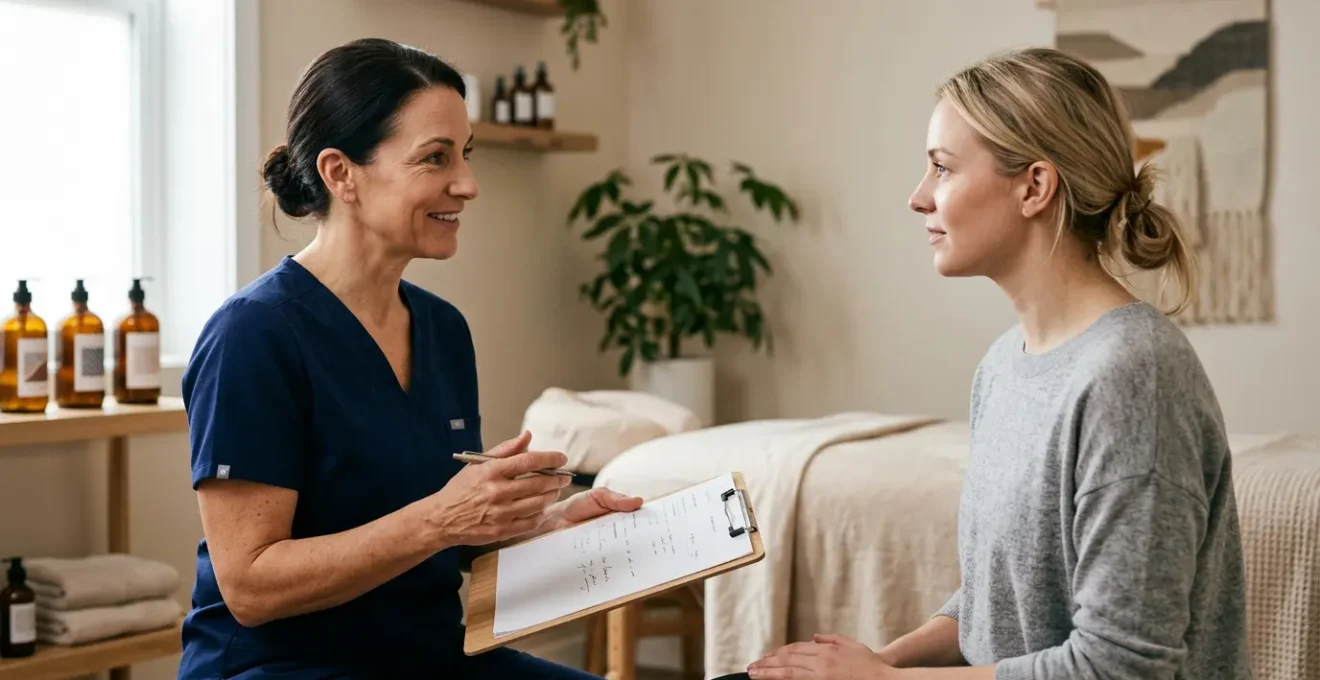
The single most important factor in a therapeutic massage is the therapist’s qualification. In the UK, the massage industry has established standards that separate clinically competent practitioners from relaxation-focused spa workers. A « certified » therapist at a hotel spa may only have a few weeks of training, whereas a professionally qualified therapist has undergone extensive, medically-grounded education. As a discerning traveller, you must be prepared to ask specific, targeted questions to verify their credentials.
Your first line of inquiry should be about their level of qualification. A minimum Level 3 Diploma in a relevant subject is the baseline for professional practice in the UK. However, for a therapist to diagnose and treat conditions in a clinical environment, a Level 4 qualification is required. This is a crucial distinction. A Level 3 therapist can perform a good massage; a Level 4 therapist can understand your condition and design a safe, effective treatment protocol.
Beyond the diploma level, ask if the therapist is registered with a professional body. The two most reputable in the UK are the General Council for Massage Therapies (GCMT) and the Complementary and Natural Healthcare Council (CNHC). Membership in these organisations is voluntary but indicates a commitment to high professional standards, including adequate insurance and continuing education. Don’t be shy about asking to see proof of insurance or their registration number before booking. A genuine professional will be happy to provide this information.
Deep Tissue or Sports Massage: Which for Three-Day Hiking Trip Recovery?
After the physical exertion of a multi-day hike, the promise of a massage is a powerful motivator. However, choosing the wrong type at the wrong time can hinder recovery or even cause discomfort. The choice between Deep Tissue and Sports Massage is not about preference; it’s a clinical decision based on your body’s physiological state. The key variable is timing. Your body’s needs on day one post-hike are vastly different from its needs on day three.
For the first 1-2 days after intense activity, the primary goal is to manage inflammation and flush metabolic waste like lactic acid. This is when you should opt for a Sports Massage. It utilizes faster, more dynamic strokes designed to improve circulation and reduce Delayed Onset Muscle Soreness (DOMS). It’s a stimulating treatment that actively aids the initial recovery phase. Conversely, receiving a deep tissue massage during this acute phase can be counterproductive, as the intense, slow pressure can exacerbate inflammation.
After 48-72 hours, the initial inflammation has typically subsided. Now, deeper issues like muscle knots, adhesions, and deep-set tension become more apparent. This is the optimal window for a Deep Tissue Massage. Its slow, sustained pressure is designed to release these chronic contraction patterns. It’s also critical to avoid a deep tissue massage within 24-48 hours *before* a hike, as the deep work can create muscle fatigue akin to a hard workout, impairing your performance.
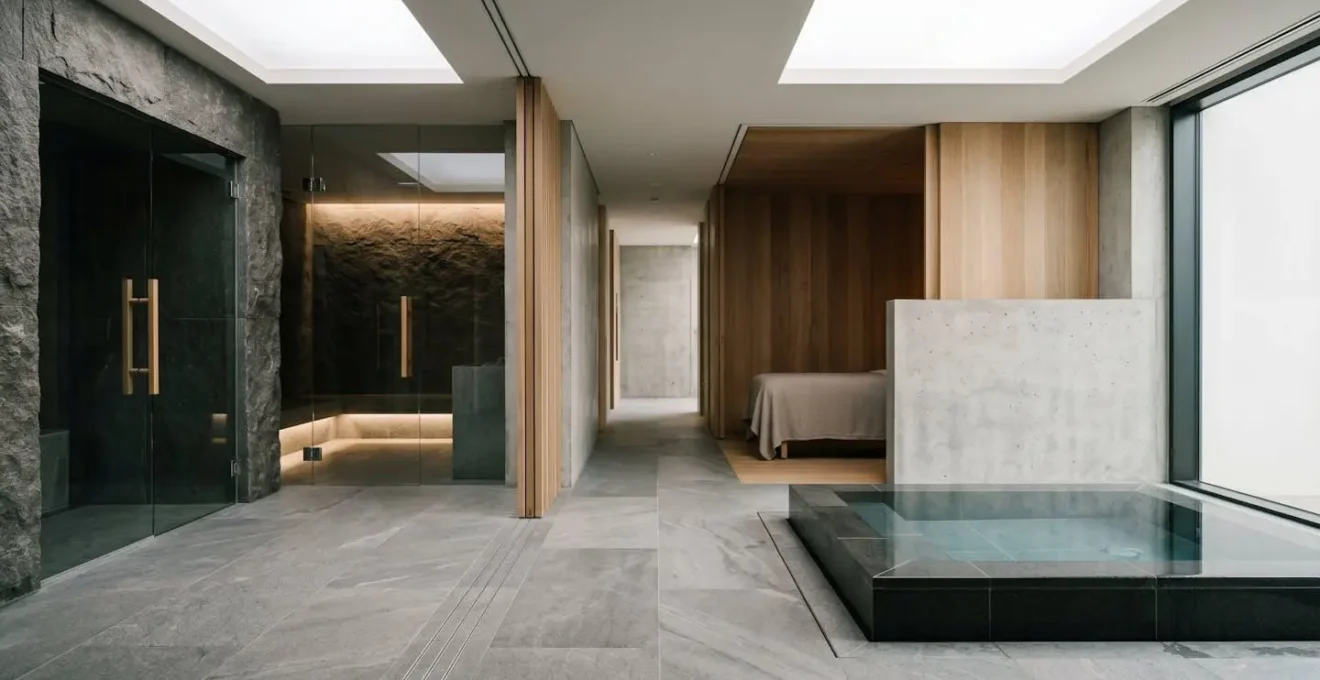
For a truly comprehensive recovery, consider integrating hydrotherapy. Many genuine wellness hotels offer facilities that can augment your massage treatment. A sequence of steam room (to warm muscles), followed by your targeted massage, and finishing with a cold plunge can dramatically accelerate recovery by managing inflammation and promoting circulation. This integrated approach elevates your recovery from a single treatment to a strategic protocol.
The Massage Pressure Request That Causes Injury in Untrained Therapist Hands
The phrase « go deeper » is one of the most common—and most dangerous—requests made during a massage. For someone in chronic pain, the instinct is to believe that more pressure equals more relief. This is a fundamental misunderstanding of therapeutic bodywork. Effective treatment comes from precision, not brute force. In the hands of an untrained or under-qualified therapist, a request for intense pressure can easily lead to tissue damage, nerve impingement, or severe bruising, leaving you in more pain than when you started.
A properly trained therapist understands that « deep » refers to accessing deeper layers of muscle and fascia, which is achieved through technique, angle, and sustained pressure, not just by pushing harder. They also have an intricate knowledge of human anatomy, particularly the « danger zones » where major nerves and blood vessels are close to the surface. These include areas like the anterior triangle of the neck (containing the carotid artery), the axilla (armpit) (housing the brachial plexus nerve bundle), and the popliteal fossa (behind the knee). An untrained person applying forceful pressure in these areas can cause serious, lasting injury.
The risk isn’t just to the client. Applying excessive, poorly-leveraged pressure is a leading cause of injury among massage therapists themselves. A 2006 nationwide survey revealed that a staggering 77% of massage therapists experienced pain or musculoskeletal symptoms related to their work. An educated client understands this and communicates differently. Instead of asking for more pressure, use descriptive language: « I feel the tension is deeper in that area, can we work on releasing it? » This invites the therapist to use their skill, rather than just their strength, to achieve the desired result.
How to Book 90-Minute Massage Sessions at Off-Peak Afternoon Rates
Securing a longer, more therapeutic 90-minute massage session often comes with a prohibitive price tag, especially at a hotel spa. However, with a strategic approach, it’s possible to access these extended sessions, often with a senior therapist, at a more reasonable rate. The key is to understand the spa’s business cycle and leverage their downtime. Most spas are busiest in the mornings and early evenings. The afternoon, typically between 2:00 PM and 5:00 PM, is their quietest period.
This off-peak window is your opportunity. Instead of booking a single session online, call the spa directly and speak to the spa manager. Your goal is to negotiate a multi-session package. Explain that you are staying for several days and are interested in a therapeutic program for a specific condition. This signals that you are a high-value client, not a one-off tourist. Propose booking two or three sessions during their afternoon off-peak hours. This is an attractive proposition for a spa manager looking to fill empty appointment slots and guarantee revenue.

In exchange for this commitment, you can reasonably ask for a package discount. Industry data suggests that hotels are often receptive to package negotiations, which can result in savings of 15-25%. This strategy is most effective for stays of three days or more. Furthermore, by booking during these quieter periods, you are more likely to be scheduled with a senior therapist, as junior staff are often assigned to the peak-hour, standard 60-minute bookings. You not only save money but also increase the quality of your treatment.
How to Verify Genuine Wellness Hotel Credentials Before Booking Your Recovery Stay
The term « wellness » is one of the most overused in the travel industry. Any hotel with a treadmill and a sauna can claim to be a wellness destination. For a traveller needing genuine therapeutic recovery, it is crucial to look past the marketing and verify the hotel’s clinical credentials. The language they use on their website and in their spa menu is the first and most telling clue. You must learn to distinguish between marketing fluff and medical-grade indicators.
Marketing language is often vague, emotive, and focused on experience. Look for red flags like « rejuvenating journey, » « holistic energy balancing, » or « detoxifying experience. » These phrases signal a focus on relaxation, not clinical treatment. In contrast, a facility with true therapeutic capability will use precise, medical terminology. Look for indicators like « physiotherapy, » « clinical massage, » « rehabilitation protocols, » or specific modalities like « neuromuscular therapy. » The presence of these terms suggests a staff with advanced training.
Another critical test is to check the treatment descriptions for contraindications. A genuine clinical spa understands that certain treatments are unsafe for individuals with specific medical conditions (e.g., deep vein thrombosis, certain heart conditions, pregnancy). The listing of medical contraindications is a strong sign of a professional, safety-conscious establishment. If no contraindications are mentioned, it’s a major red flag that the spa is a relaxation-only facility. The ultimate test is a direct call to the spa director. Inquire about their therapists’ specific training for a complex condition, like post-surgical scar tissue work or chronic sciatica. The quality and confidence of their response will reveal their true level of clinical competence.
Checklist: Discerning a Medical-Grade Spa from a Relaxation Spa
- Assess Language: Scrutinise the spa menu and website. Are they using vague marketing terms (« rejuvenating journey ») or specific, medical-grade indicators (« neuromuscular therapy, » « rehabilitation protocols »)?
- Verify Credentials: Look for specific therapist qualifications listed (e.g., LMT, RMT, BTEC Level 4/5). Ignore generic claims of « certified therapists. »
- Check for Contraindications: Does the treatment menu list medical reasons why someone should *not* have a certain massage? The absence of this information is a significant red flag.
- Evaluate the Consultation Process: Do they offer a pre-treatment consultation to discuss your specific medical history and goals? A clinical establishment always will.
- Directly Question the Spa Director: Call and ask about the team’s experience with a specific, complex condition. A vague or hesitant answer indicates a lack of clinical depth.
How to Select Body Care Treatments Targeting Your Specific Muscle Groups
Aches and pains from travel are not random; they are specific physiological responses to specific activities. A long-haul flight strains different muscles than a day of city walking. To get the most out of any body care treatment, you must move beyond a generic « full body » massage and select a treatment that targets the precise muscle groups strained by your activities. This requires a basic understanding of your own travel biomechanics and matching them to the right therapeutic focus.
For example, the notorious lower back and hip pain from a long-haul flight is often caused by the shortening and tightening of the hip flexors and chronic tension in the Quadratus Lumborum (QL) and piriformis muscles from prolonged sitting. A deep tissue massage focused specifically on releasing the lower back and hip girdle is the appropriate treatment. In contrast, after a long day of city sightseeing on foot, the strain is concentrated in the lower legs and feet, specifically the plantar fascia, gastrocnemius, and soleus muscles. Here, a sports massage with compression, focused on the lower limbs, would be far more effective at improving circulation and reducing fatigue.
The table below provides a « pain map » to help you pair common travel activities with their corresponding muscle strains and recommended treatments. Use this as a guide to communicate your needs clearly to your therapist.
| Travel Activity | Primary Strained Muscle Groups | Recommended Treatment Type | Treatment Focus |
|---|---|---|---|
| Long-haul Flight | Quadratus Lumborum (QL), Piriformis, Upper Trapezius | Deep Tissue Massage | Target chronic tension from prolonged sitting, release hip flexors and lower back |
| City Walking/Sightseeing | Plantar Fascia, Gastrocnemius, Soleus | Sports Massage + Compression | Improve circulation in lower legs, reduce foot fatigue, prevent plantar fasciitis |
| Multi-Day Hiking | Gluteus Medius, TFL (Tensor Fasciae Latae), Calves | Sports Massage (Day 1-2), Deep Tissue (Day 3+) | Immediate: flush metabolic waste; Later: address deep adhesions in glutes and IT band |
| Swimming/Water Sports | Latissimus Dorsi, Rotator Cuff, Deltoids | Sports Massage with stretching | Enhance shoulder mobility, prevent impingement, improve range of motion |
Furthermore, don’t assume manual massage is the only or best option. Many wellness hotels offer underutilized recovery technology that can be more effective for certain issues. Sequential pneumatic compression systems (like Normatec) are excellent for flushing metabolic waste from the legs after a hike, while localized cryotherapy can target inflamed joints with a precision that hands cannot achieve. Always ask the spa concierge about their « recovery technology options »; you may discover a more effective and affordable solution.
Key Takeaways
- Distinguish between relaxation-focused Swedish massage and corrective therapeutic modalities to ensure effective treatment for chronic pain.
- Always verify therapist qualifications against UK standards (Level 4 for clinical work, CNHC/GCMT registration) before booking.
- Match your massage type to your activity and timing: Sports Massage for immediate post-activity recovery, Deep Tissue for addressing deeper issues 2-3 days later.
Alleviating Muscle Fatigue and Soreness From Active Holiday Physical Demands
While professional treatments are invaluable, you can significantly manage muscle fatigue and soreness during an active holiday with a proactive, in-room self-care regimen. Relying solely on spa appointments is often impractical and expensive. By packing a small, lightweight recovery toolkit and leveraging hotel amenities strategically, you can take control of your daily recovery, ensuring you feel strong and mobile throughout your trip. This approach bridges the gap between professional treatments and empowers you to address issues as they arise.
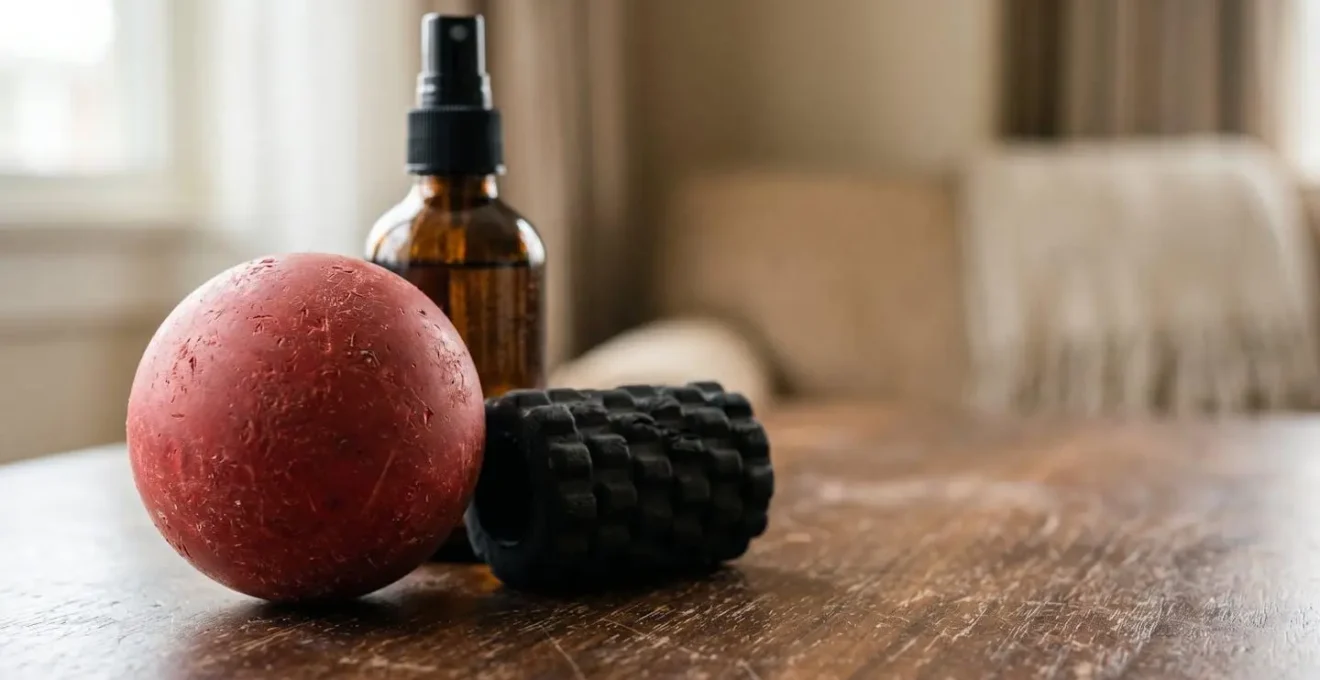
Your personal recovery kit doesn’t need to be bulky. A simple lacrosse or tennis ball is a remarkably effective tool for self-myofascial release, allowing you to apply targeted pressure to trigger points in your glutes, back, and the arches of your feet. Complement this with travel-sized Epsom salts (magnesium sulfate) for an evening bath; the magnesium helps reduce muscle cramping and promotes relaxation. A topical magnesium spray can also be applied directly to fatigued muscles before sleep to aid recovery.
You can also use hotel services to support your recovery. Instead of reaching for a sugary drink from the minibar, request ginger tea from room service; its natural anti-inflammatory properties are well-documented. Pay attention to post-activity nutrition by ordering a protein-rich meal to support muscle repair. Finally, practice active recovery. Rather than collapsing in bed after a long day, a 20-minute slow swim in the hotel pool or a gentle walk on a flat surface will increase blood flow and flush metabolic waste more effectively than complete rest.
Investing in this knowledge transforms you from a passive recipient of spa services into an active manager of your own health while travelling. By vetting therapists, choosing the correct treatments, and employing smart self-care strategies, you ensure that every trip is a source of joy, not a trigger for pain.