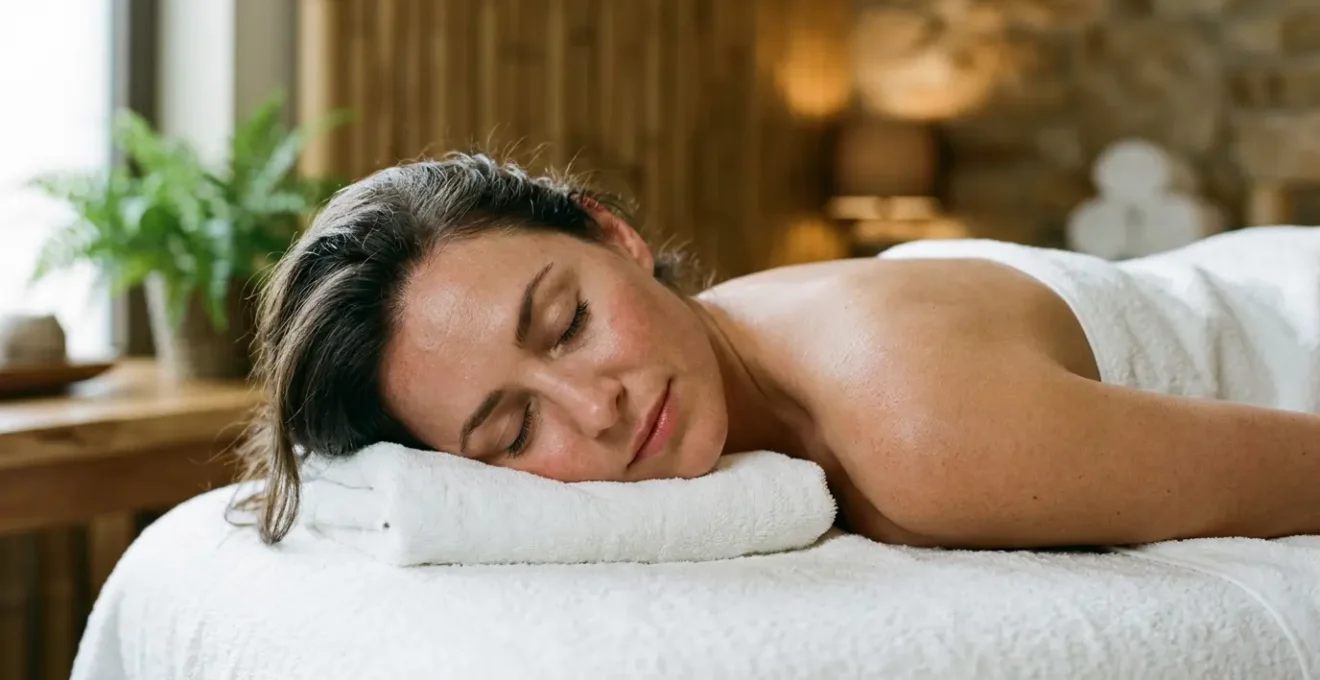
The biggest recovery mistake active travellers make is treating aches and pains with generic relaxation instead of targeted, athletic-level care.
- Your body accumulates « physiological debt » from days of walking or hiking, which a simple hot bath cannot repay.
- The timing, type, and sequence of your spa treatments are critical variables that can either accelerate or sabotage your recovery.
Recommendation: Shift your mindset from ‘tourist’ to ‘athlete’. Use your hotel’s spa and pool as a strategic recovery facility to actively manage muscle fatigue, not just passively relax.
You’ve meticulously planned the itinerary: the multi-day hike through the Peaks, the cobblestone city break in Edinburgh, the long museum queues in London. You’ve prepared for the travel, but have you prepared for the physical toll? For many active UK travellers, the souvenir they didn’t plan for is deep muscle soreness, joint stiffness, and persistent fatigue. This cumulative strain, a form of physiological debt, can diminish the enjoyment of the latter half of your trip and linger long after you’ve returned home.
The common advice is predictable: take a hot bath, have a gentle swim, or get a standard « relaxing » massage. While well-intentioned, this approach is fundamentally flawed. It treats the symptoms of fatigue without addressing the underlying athletic strain. An active holiday is a multi-day endurance event, and your body requires a recovery protocol that matches the intensity of the activity. It’s time to stop thinking like a tourist and start recovering like the athlete you’ve become on your travels.
But what if the key wasn’t just *if* you recover, but *how*? The difference between returning refreshed and returning exhausted lies in applying sports science principles to your holiday. This means understanding that a body wrap can be a tool for remineralisation, a scrub is a primer for deeper treatment, and the timing of your massage is as crucial as the massage itself. This guide will provide a therapist’s framework for turning your hotel’s amenities into a high-performance recovery centre, ensuring you can meet the physical demands of your trip from the first day to the last.
In the following sections, we will deconstruct the most effective hotel-based recovery modalities, providing a strategic plan to combat muscle fatigue and enhance your travel experience.
Summary: A Proactive Plan for Managing Tour-Induced Fatigue
- Why Hotel Body Wraps Aid Muscle Recovery Better Than Standard Hot Baths
- How to Select Body Care Treatments Targeting Your Specific Muscle Groups
- What Does « Body Scrub » Include in British Hotel Spa Treatment Menus?
- The Treatment Timing Mistake That Reduces Recovery Effectiveness by 50%
- When to Schedule Body Care: Before or After Intensive Sightseeing Days?
- Deep Tissue or Sports Massage: Which for Three-Day Hiking Trip Recovery?
- Why Hotel Swimming Pools Beat Hotel Gyms for Calorie Burning Per Hour
- Finding Qualified Therapists Providing Medical-Grade Massage for Specific Ailments
Why Hotel Body Wraps Aid Muscle Recovery Better Than Standard Hot Baths
A long, hot bath is the default remedy for sore muscles, but its effects are largely superficial. While the heat provides temporary comfort by increasing surface-level blood flow, it does little to address the deeper issues of inflammation and metabolic waste build-up in stressed muscle tissue. A professional body wrap, often misunderstood as a simple « detox » treatment, is a far superior recovery modality for the active traveller. It functions less like a bath and more like a therapeutic poultice, delivering targeted benefits that a tub of hot water cannot match.
The superiority of a body wrap lies in its ingredients and the principle of sustained, targeted application. Unlike a bath where therapeutic agents are diluted, a wrap applies a concentrated dose directly to the skin. Key ingredients function as active recovery agents:
- Seaweed and algae wraps: These are not about pampering; they are about remineralisation. They deliver magnesium, potassium, and calcium directly to the epidermis, nutrients essential for muscle function and repair.
- Clay wraps (e.g., kaolin): These work via ionic exchange, a process where the negatively charged clay particles attract and bind to positively charged impurities and metabolic by-products, helping to draw them out from beneath the skin.
- Infrared body wraps: This is the most advanced option. The heat penetrates up to 7 centimetres into muscle tissue, profoundly soothing nerves, relaxing deep muscle layers, and actively reducing inflammation at a cellular level.
By encasing the body, a wrap also provides gentle compression and ensures a consistent, therapeutic temperature for an extended period (typically 20-30 minutes). This sustained heat increases circulation far more effectively than a bath, enhancing the delivery of oxygen and nutrients to damaged muscles and accelerating the flushing of waste products. It’s a targeted intervention, not just a passive soak.
Therefore, when faced with significant muscle fatigue, choosing a seaweed or infrared wrap over a standard bath is a strategic decision to accelerate true physiological recovery.
How to Select Body Care Treatments Targeting Your Specific Muscle Groups
Prescribing a « full-body massage » for post-travel fatigue is like using a sledgehammer to hang a picture. It’s imprecise and fails to address the specific sources of pain. An athletic approach to recovery demands specificity. The physical demands of walking on cobblestones are vastly different from those of carrying a backpack on a coastal path or standing for hours in a museum. Each activity overloads a unique chain of muscles, and your treatment selection must reflect that.
Before booking any treatment, you must first diagnose the primary muscles affected by your activities. For instance, the constant, subtle ankle adjustments required for walking on uneven city streets primarily fatigue the tibialis anterior (the muscle on the front of your shin) and the calves. In contrast, a long flight or drive will shorten and tighten the hip flexors and strain the quadratus lumborum (QL) in the lower back from prolonged sitting. Identifying these patterns allows you to move beyond generic requests and ask for targeted work.
The following table, based on biomechanical principles, maps common holiday activities to the muscles they affect and suggests an appropriate treatment focus. Use this as a diagnostic tool when consulting with a hotel spa therapist. According to a comprehensive review of exercise-induced muscle damage, targeted intervention is key to managing delayed onset muscle soreness (DOMS).
| Activity Type | Primary Muscles Affected | Secondary Muscles | Recommended Treatment Focus |
|---|---|---|---|
| Cobblestone City Walking | Tibialis Anterior, Calves (Gastrocnemius) | Gluteus Medius | Salt scrub for superficial leg muscles + Swedish massage for calves |
| Extended Museum Visits | Trapezius, Sternocleidomastoid | Cervical spine stabilizers | Trigger point therapy for neck and upper back |
| Multi-Day Hiking | Hamstrings, Quadriceps, Hip Flexors (Psoas) | IT Band, Plantar Fascia | Deep tissue massage for hips + myofascial release for IT band |
| Long-Distance Travel (Flights, Drives) | Lower Back (Quadratus Lumborum) | Hip Flexors | Targeted deep tissue for QL muscle + gentle stretching protocols |
| Beach/Water Sports | Shoulders, Rotator Cuff | Core muscles | Sports massage with compression techniques |
By communicating « I’ve been doing a lot of city walking and my calves and shins are tight, » you provide the therapist with critical information to customise your session, ensuring the time and money spent delivers maximum therapeutic benefit.
What Does « Body Scrub » Include in British Hotel Spa Treatment Menus?
On a typical UK hotel spa menu, a « body scrub » or « body polish » is often marketed as a skin-smoothing, beautifying treatment. The description will highlight exfoliation, leaving skin soft and glowing. While this is true, from a sports recovery perspective, this is merely a secondary benefit. For the active traveller, a body scrub is not a cosmetic procedure; it is a critical preparatory step to maximise the effectiveness of any subsequent muscle recovery treatments.
A standard body scrub treatment involves the therapist applying an abrasive product—typically containing salt, sugar, or ground coffee—mixed with an aromatic oil, and massaging it over the entire body. This process physically removes the outermost layer of dead skin cells (the stratum corneum). After the exfoliation, you are usually directed to rinse off in a shower before the therapist applies a light moisturiser. The focus is on mechanical exfoliation and superficial hydration.
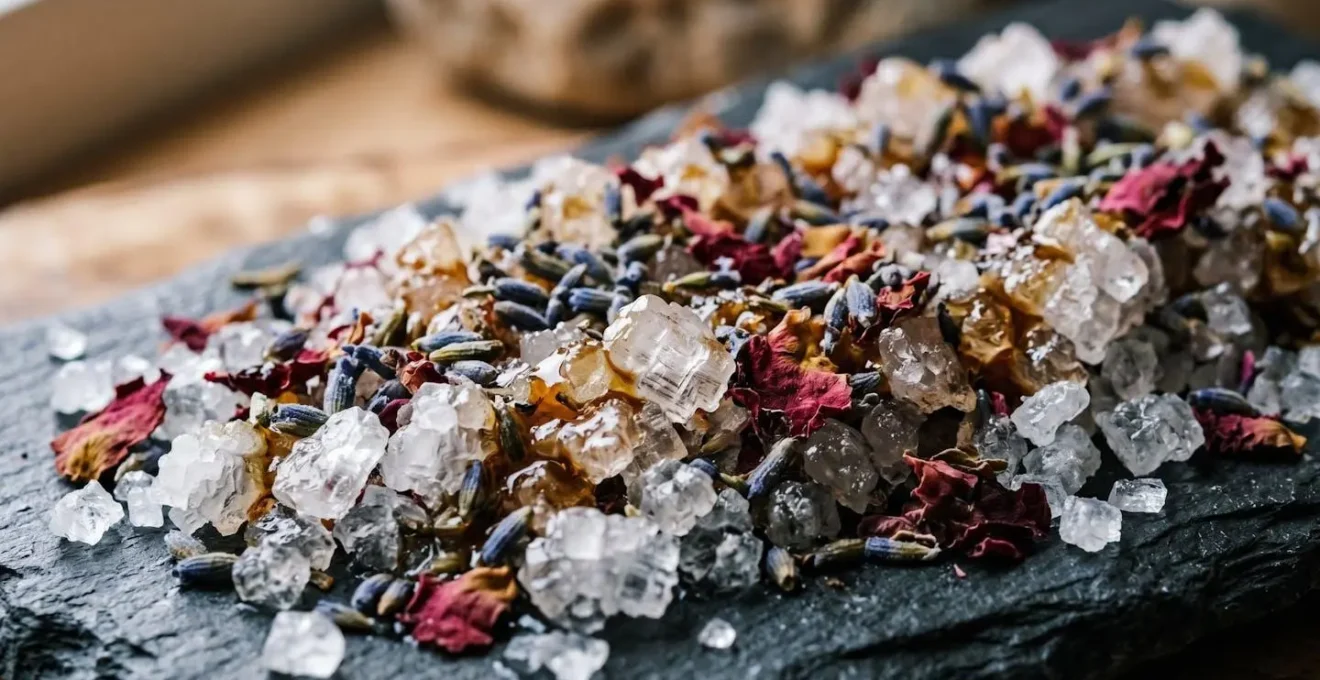
The true value of this process for muscle recovery is what it enables next. By removing the dead skin barrier, you dramatically increase the skin’s permeability. As industry professionals note, this pre-treatment exfoliation can significantly increase the absorption effectiveness of any product applied afterwards. If you follow a scrub with a magnesium-rich seaweed wrap or an anti-inflammatory arnica-infused massage oil, your body can absorb these therapeutic compounds far more efficiently. The scrub essentially opens the door for deeper healing.
Therefore, when scheduling, always book the body scrub *immediately before* your massage or body wrap. Viewing it as a standalone treatment is a missed opportunity. Think of it as priming a canvas before painting; it ensures the main event has the maximum possible impact on your nutrient delivery and recovery.
The Treatment Timing Mistake That Reduces Recovery Effectiveness by 50%
The single most common and costly mistake an active traveller makes is delaying recovery treatments. After a gruelling 8-hour hike or a 20,000-step day exploring a city, the instinct is often to collapse, have dinner, and think « I’ll book a massage for tomorrow… or the day after. » This procrastination can effectively halve the value of the treatment. The body’s recovery process begins the moment the activity ceases, and the first few hours are the most critical window for intervention.
The physiological rationale is clear. Intense exercise creates micro-tears in muscle fibres and triggers an inflammatory cascade. While some inflammation is a necessary part of the healing signal, excessive, unchecked inflammation leads to prolonged soreness, swelling, and impaired function. Therapeutic massage, when applied promptly, helps to modulate this response. A 2013 study published in the US National Institutes of Health’s archive found that immediate massage post-exercise was significantly more beneficial than delayed massage in restoring muscle function and reducing the infiltration of inflammatory cells. Waiting 48 hours means you are trying to treat a well-established inflammatory state, rather than managing it from the outset.
Furthermore, post-treatment behaviour is just as critical as pre-treatment timing. A perfectly timed massage can be completely undone by poor choices in the hours that follow. To protect your investment, you must avoid these common recovery-sabotaging actions:
- Consuming alcohol immediately after treatment: Alcohol is a diuretic and inflammatory. It dehydrates tissues that the massage has just worked to hydrate and counteracts the anti-inflammatory benefits.
- Eating a large, heavy meal: This diverts blood flow away from your recovering muscles and sends it to your digestive system, starving the treated tissues of the oxygen and nutrients they need for repair.
- Immediately resuming strenuous activity: The 24 hours following intense exercise and treatment are a critical repair phase. Jumping back into another long walk prevents the body from integrating the treatment’s effects and can worsen micro-tears.
The rule is simple: schedule your recovery session for as soon as is practical after finishing your main physical activity for the day. Treat it as the final, crucial step of your « athletic event, » not an optional extra for the following day.
When to Schedule Body Care: Before or After Intensive Sightseeing Days?
The question of whether to schedule a treatment before or after a strenuous day is a frequent point of confusion. A pre-activity massage feels like a luxurious preparation, while a post-activity treatment feels like a deserved reward. From a physiological standpoint, the answer is unequivocally clear: for recovery purposes, body care should always be scheduled *after* the main physical exertion of the day. The goal is to repair damage and facilitate overnight healing, not to prime muscles for an event.
Applying deep pressure or intense stretching before a long walk can temporarily reduce proprioception (your sense of joint position) and leave muscles feeling too relaxed, potentially increasing the risk of a misstep or strain. The only exception would be a very light, circulation-boosting Swedish massage on an arrival day to counteract the stiffness of travel. All significant therapeutic work—deep tissue, sports massage, body wraps—should be reserved for the evening, after the day’s « work » is done.
As experts in the field confirm, this timing leverages the body’s natural healing processes. In the publication « Deep Tissue Massage Therapy: Effects on Muscle Recovery and Performance in Athletes, » researchers from the field of Sports Recovery Research note:
Scheduling treatments in the evening is superior because it leverages the body’s natural overnight repair cycle. The increased circulation from the treatment delivers nutrients to muscles while you sleep, an effect that maximizes cellular repair.
– Sports Recovery Research, Deep Tissue Massage Therapy: Effects on Muscle Recovery and Performance in Athletes
An ideal recovery plan integrates different modalities across a multi-day trip, escalating in intensity to match the accumulating physiological debt. A sample 5-day plan would look like this:
- Day 1 (Arrival): Evening gentle Swedish massage (25 mins) to improve circulation after travel.
- Day 2 (Intensive walking): Evening pool-based active recovery (see pool section).
- Day 3 (Extended sightseeing): Evening leg-focused sports massage (25 mins).
- Day 4 (Most strenuous day): Full-body deep tissue massage (60 mins), scheduled 2-3 hours after activity ends.
- Day 5 (Departure): Morning gentle stretching.
By saving your key treatments for the evening, you align therapeutic intervention with your body’s circadian rhythm, turning sleep into your most powerful recovery tool.
Deep Tissue or Sports Massage: Which for Three-Day Hiking Trip Recovery?
After a challenging three-day hiking trip, your legs feel heavy, your lower back aches, and your shoulders are stiff from carrying a pack. You arrive at the hotel spa, and the menu presents a choice: Deep Tissue or Sports Massage. They sound similar, but choosing the right one is crucial for effective recovery. While both use firm pressure, their philosophies, techniques, and ultimate goals are distinct. For post-event recovery from repetitive, endurance-based activity like hiking, deep tissue massage is the superior choice.
A sports massage is primarily a performance-oriented modality. It’s often used pre-event to stimulate muscles, or post-event with techniques like compression and rapid strokes to flush out immediate metabolic by-products. It can be highly specific, focusing on a particular joint’s range of motion for an upcoming competition. It is an excellent tool, but its application is often more functional and immediate.
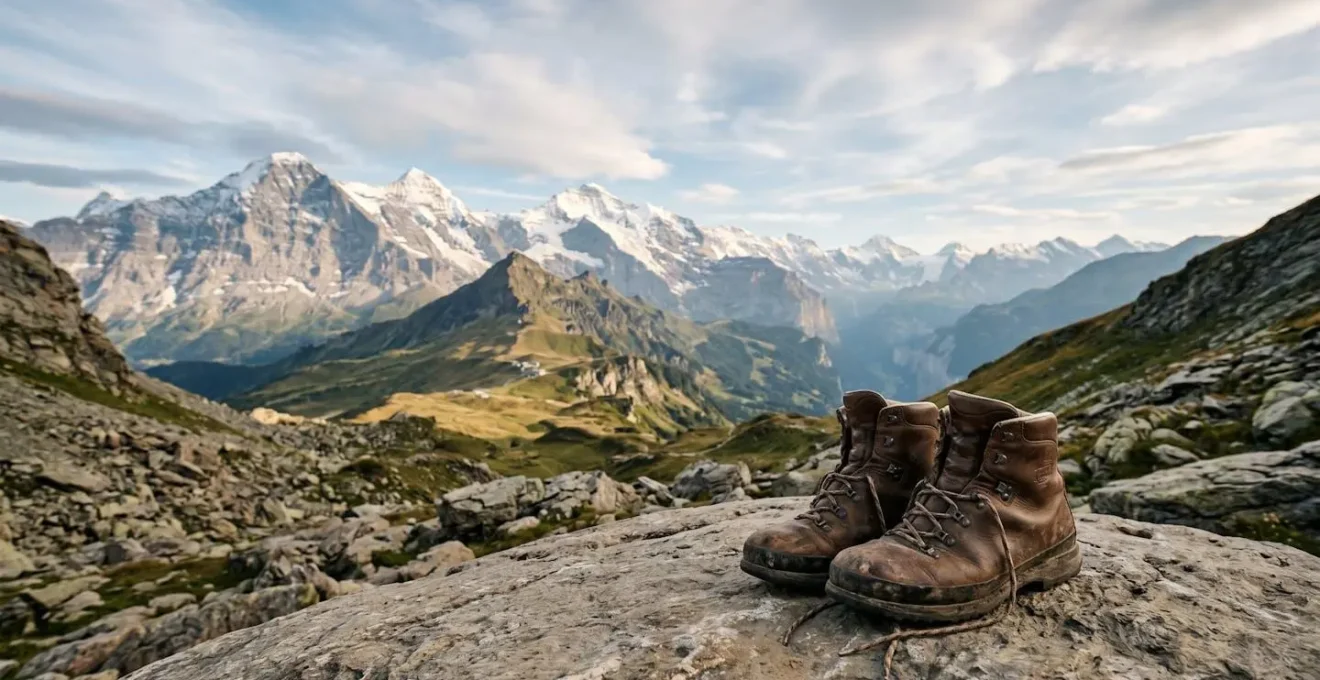
A deep tissue massage, conversely, is focused on structural rehabilitation. Its goal is to address chronic tension and adhesions (known as « knots ») in the deeper layers of muscle and connective tissue (fascia). After three days of hiking, your body isn’t just tired; it has developed patterns of tightness and deep-seated tension in the primary movers—the glutes, hamstrings, quads, and hip flexors. Deep tissue massage uses slow, deliberate strokes and sustained pressure to release these specific tension patterns, restore muscle length, and improve overall posture. It is designed to address the cumulative physiological debt built up over several days.
Think of it this way: a sports massage is like a pit crew’s quick tune-up during a race. A deep tissue massage is the comprehensive engine rebuild that happens back at the workshop after the race is over. After your three-day hiking « race, » your body needs the workshop, not the pit stop.
Why Hotel Swimming Pools Beat Hotel Gyms for Calorie Burning Per Hour
The title is a common claim, but it’s misleading. While swimming does burn a significant number of calories, its true superiority over the hotel gym for an active traveller lies not in caloric expenditure, but in its unparalleled properties for active recovery. Forcing sore, fatigued muscles through a gym workout—even a light one—can increase inflammation and delay healing. The hotel pool, however, offers a unique environment that simultaneously soothes muscles, reduces impact, and promotes circulation.
The secret lies in a principle called hydrostatic pressure. When you are submerged in water up to your chest, the water exerts uniform pressure over your entire body. This pressure acts like a full-body compression garment, helping to move excess fluid and metabolic waste from your tissues back into your bloodstream for processing. As research on hydrostatic pressure demonstrates, this reduces swelling and significantly accelerates muscle recovery without any additional strain. The buoyancy of the water also unloads your joints, giving your hips, knees, and ankles a much-needed break from the impact of walking or hiking.
Instead of hitting the treadmill, a structured 15-minute session in the pool can do far more for next-day performance. A simple yet highly effective protocol is:
- Minutes 1-5: Gentle Water Walking. Walk forward and backward in chest-deep water. The water’s resistance provides gentle muscle activation while the hydrostatic pressure gets to work.
- Minutes 6-10: Dynamic Stretching. Perform gentle leg swings (forward/backward, side-to-side) and hip circles. The water supports your limbs, allowing for a greater, safer range of motion than on land.
- Minutes 11-15: Floating Decompression. Use a pool noodle or simply float on your back. This allows your spine to decompress and your muscles to fully relax in a near-weightless environment.
So, forget the calorie-counting contest. The reason the pool beats the gym is that it makes you better, faster. By actively aiding recovery, it ensures you have the energy and mobility to go out the next day and burn even more calories, enjoying your holiday to the fullest.
Key takeaways
- Treat an active holiday as a multi-day athletic event requiring a strategic recovery protocol.
- The timing and type of spa treatment are critical; schedule targeted, intense therapies after the day’s activities to align with the body’s overnight repair cycle.
- Use the hotel pool for active recovery via hydrostatic pressure, which is superior to the gym for reducing inflammation and muscle soreness.
Finding Qualified Therapists Providing Medical-Grade Massage for Specific Ailments
Not all massages are created equal, and nowhere is this more apparent than in a hotel spa. Many therapists are trained primarily in general relaxation (Swedish) massage, which is pleasant but ineffective for treating the specific, deep-seated issues that arise from athletic exertion or chronic conditions like sciatica. To get true therapeutic value, you must proactively identify a therapist with advanced, medical-grade training. You are not seeking a ‘masseuse’ for a bit of pampering; you are seeking a qualified therapist to perform a specific physical intervention.
The responsibility for this falls on you, the client. The hotel concierge or spa receptionist is your first point of contact, but they are often trained to sell, not to diagnose. You must arm yourself with specific questions that cut through the marketing language and assess the actual qualifications of the staff. A general inquiry like « I need a massage for a sore back » will likely result in a standard booking. A specific, informed inquiry will lead you to the right practitioner. The profound benefit of this approach is backed by science; as a landmark study in Science Translational Medicine led by Dr. Mark Tarnopolsky found, massage therapy is clinically beneficial by actively reducing inflammation and promoting mitochondrial biogenesis in damaged muscle.
As Dr. Tarnopolsky and his team concluded:
Massage therapy appears to be clinically beneficial by reducing inflammation and promoting mitochondrial biogenesis when administered to skeletal muscle that has been acutely damaged through exercise.
– Dr. Mark Tarnopolsky and research team, Massage Therapy Attenuates Inflammatory Signaling After Exercise-Induced Muscle Damage, Science Translational Medicine
This highlights that you are seeking a treatment with a real biological effect. To ensure you receive it, you must vet the provider. Use the following script as a checklist when speaking to the concierge.
Your Action Checklist: Vetting a Therapist’s Qualifications
- Ask about specialisations: « I’m experiencing [specific issue: e.g., lower back pain] from [cause: e.g., extensive walking]. Do you have a therapist certified in neuromuscular or orthopaedic massage who specialises in this area? »
- Inquire about experience: « Which therapist on your team has the most experience treating lower back and hip issues specifically, rather than general relaxation massage? »
- Query advanced modalities: « Can you tell me which advanced modalities your therapists are trained in – such as myofascial release, trigger point therapy, or craniosacral therapy? »
- Request a pre-session consult: « Is it possible to have a brief 2-minute consultation with the therapist before the session begins so I can explain my specific pain pattern? »
- Verify their background: « What is the therapist’s background – do they have additional certifications beyond basic massage therapy training? »
By asking these questions, you shift the dynamic from a simple transaction to a therapeutic consultation, dramatically increasing the likelihood of a successful outcome and a swift return to your active holiday itinerary.