Travel Destinations
Choosing where to travel involves far more complexity than simply picking a place that looks appealing in photographs. The destination you select—and specifically where you stay within that destination—creates a framework that determines your daily experience, your budget efficiency, and even your psychological recovery from routine stress. Understanding how different destination characteristics interact with your specific needs transforms travel planning from guesswork into strategic decision-making.
This comprehensive resource examines the fundamental principles that underpin successful destination selection. From quantifying the hidden costs of location choices to understanding how environmental contrast accelerates stress relief, these insights provide a foundation for making accommodation decisions that align with your travel objectives, whether you’re seeking cultural immersion, creative renewal, or simply maximizing value during a short city break.
The Psychology of Destination Selection: Why Environment Matters
The environments we choose for travel exert measurable effects on our wellbeing and cognitive function. Research consistently demonstrates that the relationship between your daily environment and your chosen destination plays a crucial role in how effectively you recover from stress and access creative thinking.
Scenery Contrast and Stress Recovery
Environmental psychologists have identified that scenery contrast—selecting destinations that visually oppose your daily context—accelerates stress recovery significantly compared to similar environments. Urban professionals who spend workdays surrounded by concrete and glass experience measurably faster cortisol reduction when exposed to coastal or mountain scenery. One study found stress recovery accelerated by approximately 65% when scenery provided maximum contrast to participants’ home environments.
This principle applies bidirectionally. Those living in rural settings often find urban stimulation equally restorative, as the change in visual complexity, pace, and sensory input provides the psychological « reset » that facilitates genuine disconnection from routine concerns. The key lies in honest assessment of your daily environmental context and deliberately choosing its opposite.
Novel Environments and Creative Problem-Solving
Beyond stress relief, unfamiliar settings trigger measurable improvements in creative thinking. Neuroscience research indicates that new environments increase creative problem-solving capacity by approximately 50% compared to familiar spaces, as novel stimuli disrupt habitual thought patterns and force cognitive flexibility. This explains why so many professionals schedule creative retreats in environments dramatically different from their typical workspaces.
However, not all novel environments produce identical effects. Urban stimulation—characterized by high sensory input, diverse social interactions, and constant visual novelty—benefits certain creative disciplines differently than rural tranquility. Writers and strategic thinkers often benefit from quiet, distraction-free settings, while visual artists and designers may draw inspiration from urban complexity. Matching environment type to your specific creative needs maximizes the cognitive benefits of travel.
Calculating the True Cost of Location: Beyond Nightly Rates
Accommodation price comparisons often focus exclusively on nightly rates, overlooking the substantial hidden costs that location choice generates. Comprehensive cost analysis requires quantifying transportation expenses, time costs, and opportunity costs that peripheral locations impose.
The Distance-Cost Threshold
Budget-conscious travelers frequently assume that cheaper accommodation located away from primary attractions delivers overall savings. Mathematical analysis reveals this assumption fails beyond a surprisingly short distance threshold. A hotel priced £40 less per night but located 5km from attractions typically costs more when you factor in daily transportation.
Consider this calculation: Two daily taxi trips between a peripheral hotel and city center attractions average £45 daily in most European cities. Four metro journeys cost approximately £12-15 daily. Even assuming the most economical public transport option, a three-night stay eliminates the £120 accommodation savings while adding 90-120 minutes of daily transit time. The distance threshold where hotel savings are cancelled by transport costs typically falls between 2-3km from your primary activity zone in most destinations.
Walkability Value and Time Savings
Beyond direct transportation costs, central location provides walkability value that compound throughout your stay. The ability to return to your room midday—to rest, change clothes, or drop off purchases—transforms the travel experience, particularly during multi-day city breaks or in climates requiring clothing adjustments throughout the day.
Quantifying this benefit: If central location saves two hours daily in transit time over a three-night stay, you’ve gained six hours of actual destination experience. Valuing your vacation time at even a modest hourly rate makes apparent that central accommodation premiums of 30-50% often represent genuine value rather than luxury spending. This calculation becomes even more compelling for short breaks, where every hour carries disproportionate importance.
Accommodation Type Selection: Matching Stay to Purpose
Different accommodation formats serve fundamentally different travel purposes. Understanding these distinctions allows strategic matching between stay type and trip objectives.
Hotel Chains Versus Boutique Properties
The debate between international hotel chains and intimate boutique properties ultimately hinges on predictability versus uniqueness. Chain hotels deliver reliable standards—you know precisely what room quality, amenities, and service level to expect. This predictability carries particular value during important trips like honeymoons, where accommodation disappointment carries disproportionate emotional cost.
Boutique properties offer distinctive character and localized experiences that chains cannot replicate, but with inherent variability. A boutique hotel might provide extraordinary personal service and unique design, or might mask maintenance neglect behind charming façades. This variability matters less for experienced travelers who can assess property quality through reviews and photographs, but poses risk for those less skilled at evaluating accommodation standards.
Trip purpose should guide this decision. Business travel, important celebrations, and trips where accommodation serves primarily functional needs favor chain predictability. Travel focused on cultural immersion, where the hotel itself contributes to destination experience, benefits from boutique properties when properly researched.
Self-Contained Resorts: Benefits and Trade-offs
All-inclusive resort complexes offering complete vacation infrastructure—multiple restaurants, activities, entertainment, and beach or pool facilities—serve specific traveler needs exceptionally well while poorly serving others. These properties excel for families with young children, groups with varied interests, and those primarily seeking relaxation without logistical complexity.
However, approximately 60% of resort guests report feeling « trapped » by mid-stay, as the initial convenience transforms into monotony. The very completeness that makes resorts appealing creates isolation from authentic local experiences. Geographic positioning compounds this: resorts typically occupy peripheral locations where venturing beyond the complex requires deliberate transportation planning.
The strategic approach involves honest assessment of your travel priorities. If cultural exploration and local interaction rank highly, resort formats will frustrate those objectives. If your primary need involves stress-free family accommodation where children remain safely entertained while adults relax, resort infrastructure delivers precisely that outcome.
City Destinations: The Paris Location Framework
Major city destinations present complex location decisions where neighborhood choice dramatically impacts experience quality and cost efficiency. Paris serves as an instructive case study, as its arrondissement system creates clearly defined neighborhood characteristics.
Understanding Arrondissement Trade-offs
First-time Paris visitors often default to famous neighborhoods like Le Marais without understanding how this choice affects their daily logistics. Saint-Germain-des-Prés frequently serves first-time visitors better than Le Marais due to superior metro connectivity and more central positioning relative to major attractions. The Right Bank versus Left Bank decision can save or cost two hours daily in transit time depending on your specific itinerary.
Common mistakes carry measurable costs. Choosing accommodation in certain arrondissements that appear central on maps but suffer poor metro connections can add £30 daily in unnecessary transport costs as you compensate with taxis rather than enduring multiple metro transfers with luggage or tired children. Defining « central location » requires mapping your specific planned activities, not simply measuring distance from a single landmark.
Heritage Properties: Charm Versus Modernity
Historic Paris hotels command location premiums of 50% or more, justified by architectural significance and neighborhood prestige. Properties like Hotel Bedford Paris exemplify classic Parisian hospitality, offering genuine heritage character in highly desirable locations. However, the heritage hotel category contains a crucial quality divide.
Some heritage properties maintain only exterior charm while neglecting room modernization, creating a trap where romantic façades mask outdated bathrooms, inadequate heating, or poor soundproofing. Verification requires examining recent room photographs and reading reviews specifically addressing functionality rather than aesthetics. Legitimate heritage hotels have modernized guest facilities while preserving architectural character—this distinction separates authentic quality from deferred maintenance disguised as vintage charm.
Timing also matters significantly. Booking heritage Paris hotels during major events like Fashion Week without understanding dynamic pricing can result in surcharges of 300% above standard rates. These properties warrant their premiums during normal periods but require careful price monitoring around peak events.
Regional Destination Characteristics That Matter
Different regions exhibit hospitality traditions and accommodation standards that vary significantly from international norms. Understanding these variations prevents mismatched expectations and enables strategic selection.
Spanish Luxury: Regional Hospitality Variations
Spanish luxury hotels differ meaningfully from international five-star standards, emphasizing different service elements and design philosophies. Authentically Spanish luxury properties prioritize historic grandeur, sophisticated gastronomy, and personalized service over the uniform amenities that characterize international chains. Andalusian hospitality traditions diverge from Catalan approaches, with southern properties emphasizing warmth and flexibility while northern hotels trend toward refined formality.
Identifying genuine Spanish luxury versus international franchises operating in Spain requires examining ownership, design philosophy, and service style. True Spanish luxury hotels integrate regional architectural traditions, feature celebrated local chefs, and staff demonstrate deep destination knowledge rather than scripted recommendations. However, Spain’s most popular tourist areas contain numerous properties marketing themselves as « luxury » while delivering mediocre experiences at inflated prices in overrun destinations.
Festival timing requires particular attention. Major events like La Tomatina, Running of the Bulls, or regional fiestas trigger price surges of 400% at nearby luxury properties. Strategic travelers either deliberately target or avoid these periods based on whether festival participation interests them.
Moroccan Cultural Immersion on a Budget
Morocco offers exceptional opportunities for genuine cultural immersion through budget-friendly accommodation, particularly via traditional riads—restored courtyard houses converted to guesthouses. These properties deliver more authentic experiences than international hotels while often costing substantially less, as they occupy medina locations inaccessible to vehicle traffic.
This inaccessibility presents both advantage and challenge. Medina accommodation places you within walking distance of souks, historic sites, and local life, but requires navigating narrow streets often confusing to newcomers. Marrakech serves first-time visitors better than Fes due to more logical medina layout and greater English language prevalence, though Fes offers superior cultural immersion for those comfortable with greater complexity.
Budget travelers should anticipate sales tactics that approximately 70% of guests report experiencing—persistent upgrade offers, activity bookings at marked-up rates, and affiliated shop recommendations. Polite firmness deflects these approaches without damaging the generally warm hospitality. Weather timing significantly impacts comfort: visiting during shoulder seasons provides pleasant temperatures without peak-season crowds.
Alternative Accommodation Models: Residential Leisure Parks
Residential leisure parks occupy a middle ground between traditional hotels and self-catering rentals, offering private units with ongoing service availability. These properties suit extended stays and families seeking more space than hotel rooms provide while maintaining access to amenities like restaurants, pools, and organized activities.
Understanding the distinction from pure holiday rentals proves essential: residential parks provide continuing service and facilities access rather than simply handing keys to an independent property. However, comprehensive cost calculation must account for hidden fees—cleaning charges, amenity access fees, and activity costs—that aren’t always transparent in advertised rates. Total costs frequently approach all-inclusive resort pricing once these additions are factored.
The isolation factor mirrors resort complexes. Residential parks typically occupy peripheral locations where authentic destination immersion requires deliberate effort and transportation. This trade-off suits those prioritizing accommodation space and privacy over cultural engagement, but frustrates travelers seeking local interaction. Booking timing matters significantly, as activity program availability and fellow guest demographics vary substantially between peak and off-peak periods.
Strategic selection of residential parks requires clarifying priorities: if your group needs apartment-style space with optional services, these properties deliver that specific combination. If cultural exploration ranks highly or your stay is brief, traditional central accommodation serves better.

Accessing Genuine Moroccan Cultural Immersion Through Budget-Friendly Accommodation
The secret to an authentic Moroccan experience isn’t just staying in a riad; it’s mastering the cultural interface where hospitality and commerce intertwine. Differentiate genuine warmth (like a shared pot of mint tea) from gentle, commission-based upsells. Utilise specific, proven…
Lire la suite
Selecting Premium Spanish Hotels Combining Historic Grandeur With Modern Sophistication
True Spanish luxury is not defined by star ratings or global brands, but by a unique cultural code you can learn to read. Discover how to differentiate between distinct regional hospitality styles, like the passionate traditions of Andalusia versus the…
Lire la suite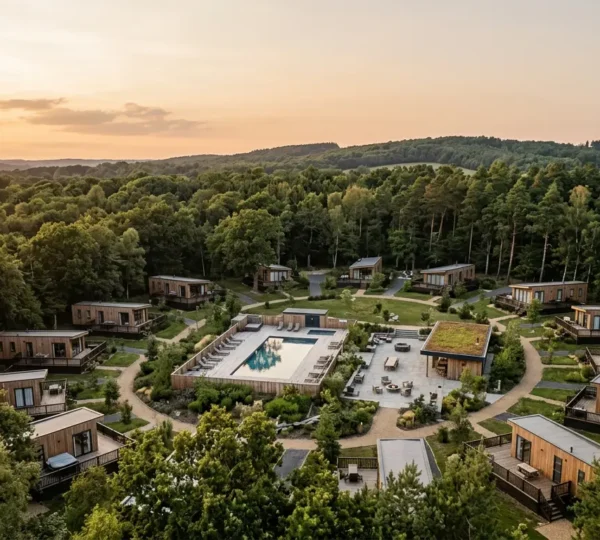
Assessing Residential Leisure Parks: The Smart Middle Ground for UK Families, or a Costly Trap?
The promise of a residential park—the perfect blend of hotel services and rental freedom—often masks a complex operational model with significant hidden costs and limitations. True value is determined by analysing the Total Cost of Stay (TCS), not just the…
Lire la suite
Selecting Novel Environments to Trigger Fresh Perspectives and Creative Breakthroughs
A change of scenery isn’t about luck; it’s a strategic process of dismantling cognitive habits to engineer breakthroughs. Specific environments amplify different creative phases: bustling cities for ideation, tranquil nature for focused execution. The wrong novel environment—bland and generic—can be…
Lire la suite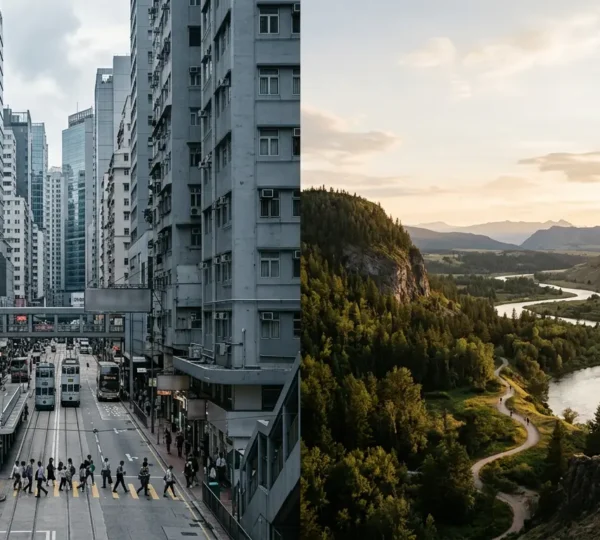
Choosing Destinations That Visually Oppose Your Daily Environmental Context
Contrary to popular belief, effective stress recovery isn’t about escaping work; it’s a therapeutic intervention achieved by deliberately selecting travel scenery that provides a radical visual contrast to your daily urban environment. The brain’s stress recovery systems are significantly more…
Lire la suite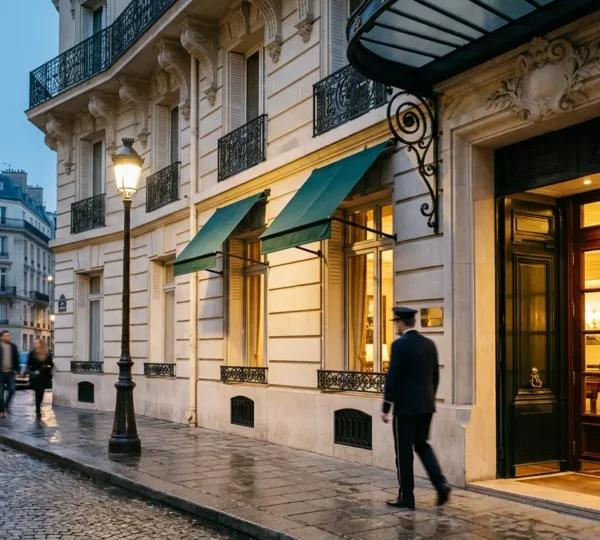
Assessing Hotel Bedford Paris as a Case Study in Classic Parisian Hospitality
The romance of a classic Parisian hotel is only realised when its heritage charm is matched by verified modern functionality. True value lies in the justifiable location premium, offering unparalleled walkability and saving significant time and travel costs. Verify modernization…
Lire la suite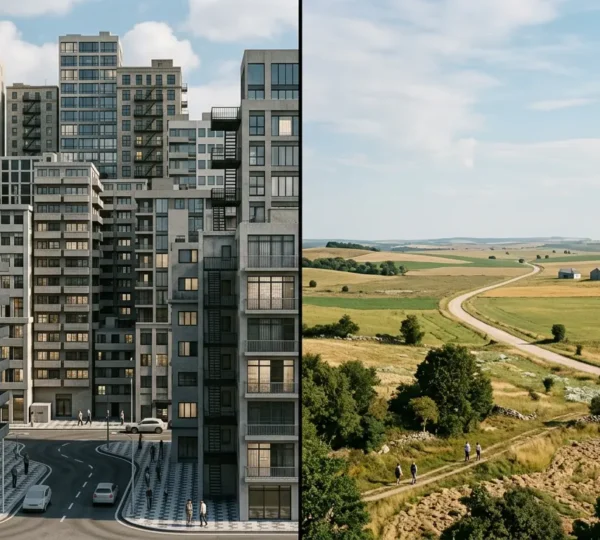
Locationomics: Calculating the True Cost of Your Hotel’s Location
Choosing a peripheral hotel to save money often results in a net financial loss once hidden transport and time costs are factored in. The perceived saving on a cheaper, out-of-the-way hotel is frequently erased by daily transport fees, which can…
Lire la suite
Assessing Self-Contained Resorts Offering Complete Vacation Infrastructure
A self-contained resort’s true value for a multi-generational family lies not in its price tag, but in its effectiveness as a seamless ‘logistical hub’ that minimizes friction. It eliminates budget stress through a single upfront cost, creating a « Financial Peacekeeper »…
Lire la suite
Balancing Proximity to Parisian Landmarks With Reasonable Accommodation Rates
The nightly rate of a Paris hotel is a misleading metric; the true expense is the ‘Total Cost of Vacation,’ which includes hidden transport fees and wasted transit time. A hotel’s value is determined not by its address but by…
Lire la suite