Blog
The modern travel landscape has evolved far beyond simple accommodation bookings and sightseeing itineraries. Today’s discerning travelers seek meaningful experiences, authentic documentation, and quality assurance that transforms ordinary trips into memorable journeys. Whether you’re a content creator capturing hotel wellness facilities, a couple designing intentional romantic getaways, or a family navigating VIP services, understanding the nuances of travel quality and authentic storytelling has become essential.
This resource brings together critical insights across hotel evaluation, content creation, and experience design. From identifying non-negotiable service standards to photographing fitness centers without getting banned, from balancing family needs to avoiding performative romance—these interconnected topics form the foundation of informed, intentional travel. The goal isn’t to overwhelm you with rules, but to equip you with frameworks that enhance every journey you take or document.
Understanding Hotel Quality Standards and Service Expectations
Quality means radically different things across accommodation segments, yet certain universal standards exist regardless of price point. Recognizing these distinctions prevents the quality compromises that derail trips before they begin.
Defining Your Personal Quality Baseline
Before booking any accommodation, establish your non-negotiable requirements—those elements below which a stay becomes regrettable rather than merely imperfect. For some travelers, this means reliable Wi-Fi and workspace functionality. For others, it centers on bedding quality or bathroom cleanliness standards. These aren’t unreasonable demands; they’re personal thresholds that acknowledge travel should enhance rather than diminish your wellbeing.
Budget accommodations and luxury properties operate on entirely different quality paradigms. A « good » budget hotel delivers clean linens, functional amenities, and responsive problem resolution. A « good » luxury property must exceed these basics with proactive service, superior materials, and anticipatory guest care. Misaligning your expectations with the segment you’ve booked creates inevitable disappointment.
Recognizing Red Flags in Service Standards
Certain warning signs consistently predict poor stays. Reviews mentioning inconsistent responses to complaints, vague answers about amenities, or defensive management replies signal systemic service failures. Fire safety equipment that’s inaccessible or poorly marked represents non-negotiable concerns transcending personal preference—these are legal requirements that protect your fundamental safety.
Understanding which services every hotel must legally provide versus which are value-adds prevents wasted energy complaining about absent perks while missing genuine service failures worth addressing. Daily housekeeping, for instance, has transitioned from universal standard to optional service in many markets, while emergency exit accessibility remains legally mandated everywhere.
Creating Compelling Hotel and Wellness Content
Content creation in hospitality spaces requires balancing authentic documentation with property respect, strategic subject selection with genuine experience. The most engaging travel content emerges from understanding what resonates with audiences and why.
Why Fitness Center Content Outperforms Traditional Room Reviews
Fitness and wellness facility reviews generate significantly higher engagement than standard room coverage because they address a genuine information gap in travel planning. Hotel websites showcase rooms extensively but often provide minimal fitness center details. Travelers seeking to maintain wellness routines face uncertainty that comprehensive gym reviews resolve.
This content performs well because it serves a specific, underserved audience with concrete, actionable information. Documenting equipment quality, space layout, hours, and crowd patterns answers questions traditional hotel photography ignores. The lesson extends beyond fitness content: identify the gaps in existing hotel information and fill them thoroughly.
Boutique Versus Chain Properties for Content Creation
Boutique hotel gyms often provide visually distinctive spaces with unique design elements, while chain fitness centers offer consistency and brand recognition. For content creators, boutique properties generate more aesthetically differentiated content, but chain facilities build authority through comprehensive coverage across multiple locations.
The strategic choice depends on your content goals. Building a niche around boutique wellness experiences positions you as a curator of unique finds. Systematically reviewing chain facilities across regions establishes you as a reliable resource for specific traveler segments who value predictability.
Photographing Hotels for Authentic Visual Storytelling
Visual documentation of hotel spaces carries both tremendous opportunity and significant risk. The photography mistakes that get content creators banned from facilities are entirely preventable with proper understanding and etiquette.
The cardinal rule: never photograph other guests without explicit permission, even if they’re background elements. This privacy violation causes immediate facility access revocation and potential legal issues. Similarly, photographing security features, staff areas, or other operational elements crosses boundaries that properties rightfully protect.
Successful hotel photography balances compelling visual storytelling with respect for property operations and guest privacy. Focus on empty spaces during off-peak hours, use angles that exclude other guests, and always secure proper permissions before shooting. When negotiating complimentary access for coverage, clarify photography parameters upfront—which areas are permissible, what times work best, and whether staff or guest interactions can be documented.
Authentic visual storytelling doesn’t require staged perfection. The most compelling hotel content captures spaces as they genuinely function: the morning light in a breakfast area, the practical layout of a well-designed fitness center, the honest wear patterns that reveal a property’s true condition. This authenticity serves audiences far better than manipulated perfection.
Planning Romantic Travel Experiences That Deepen Connection
Romantic travel has evolved beyond clichéd gestures toward intentional experience design that genuinely strengthens couple bonds. The distinction matters because performative romance serves social media better than it serves relationships.
Research consistently shows that novel shared experiences create stronger couple bonding than expensive settings. A cooking class in an unfamiliar cuisine, a hiking trail neither partner has attempted, or a cultural experience outside both comfort zones generates the shared vulnerability and mutual discovery that deepens connection. Luxury accommodations provide comfort, but they don’t inherently create intimacy.
The tension between surprise romance and collaborative planning reveals different engagement styles. Some individuals feel most valued when partners demonstrate understanding through thoughtful surprises. Others feel most connected through shared planning that respects both perspectives. Neither approach is superior; effectiveness depends on knowing your partner’s engagement preferences rather than following generic romantic scripts.
Documenting romantic moments without disrupting present-moment connection requires intentionality. Designate specific photo opportunities rather than fragmenting experiences with constant documentation. A single well-composed image capturing genuine emotion serves memory better than dozens of staged poses that interrupted actual connection.
Optimizing Family Travel With Strategic Services and Planning
Family travel presents unique challenges where strategic investment in specific services dramatically reduces stress and enhances quality time. Not all VIP services deliver equal value for families, and understanding which interventions target peak friction points maximizes limited budgets.
High-Impact Services for Family Travel
Airport lounge access benefits families disproportionately compared to solo travelers because it provides contained environments where children can move freely, parents can relax marginally, and everyone accesses food without queue stress. This single service addresses multiple pain points simultaneously during the highest-stress travel phase.
Private transfers or fast-track services each solve different problems. Private transfers eliminate navigating public transportation with luggage and tired children. Fast-track services compress the most stressful airport processes into minimal time. Choose based on your family’s specific friction points rather than perceived luxury value.
Protecting Quality Family Time
Over-scheduled itineraries represent the most common family travel mistake, reducing enjoyment while increasing conflict. Children require processing time between stimuli; adults need flexibility for varying energy levels. Building deliberate downtime into family holidays isn’t wasted time—it’s the buffer that prevents meltdowns and allows genuine enjoyment.
Balancing adult interests with children’s needs doesn’t require sacrificing either. It requires honest assessment of each family member’s capacity and strategic sequencing. An adult-focused museum visit becomes feasible after children have had active play time, and cooperative behavior improves when everyone’s needs receive consideration in planning.
Understanding what « family-friendly » actually means in destination marketing prevents misaligned expectations. It might indicate child-oriented activities, or simply that children aren’t prohibited. Always verify specific amenities rather than assuming based on marketing language.
Protecting Authentic Experiences in an Over-Documented World
The pressure to document every travel moment for content or social proof actively degrades the experiences being captured. Technology patterns that fragment attention don’t preserve memories—they prevent their formation.
The most authentic family photographs capture genuine joy rather than staged performance. This requires patience to wait for real moments rather than constantly directing poses. Children sensing performance pressure for « perfect family photos » experience stress that contradicts the holiday’s purpose. Candid documentation of actual enjoyment creates more meaningful visual records than forced smiles.
For content creators, this balance becomes professional: your livelihood depends on documentation, yet constant filming prevents the authentic experiences that make compelling content. Establish clear boundaries—filming periods followed by device-free immersion. This rhythm produces better content because genuine experience informs more authentic storytelling.
These interconnected elements of hotel evaluation, content creation, and intentional travel planning form a comprehensive approach to modern tourism. Whether you’re assessing accommodation quality, documenting wellness facilities, designing romantic getaways, or protecting family connection, the underlying principle remains consistent: authentic, informed intentionality produces better outcomes than reactive decisions or performative gestures. Each journey offers opportunities for genuine experience, meaningful documentation, and quality time—when you understand the frameworks that support all three.
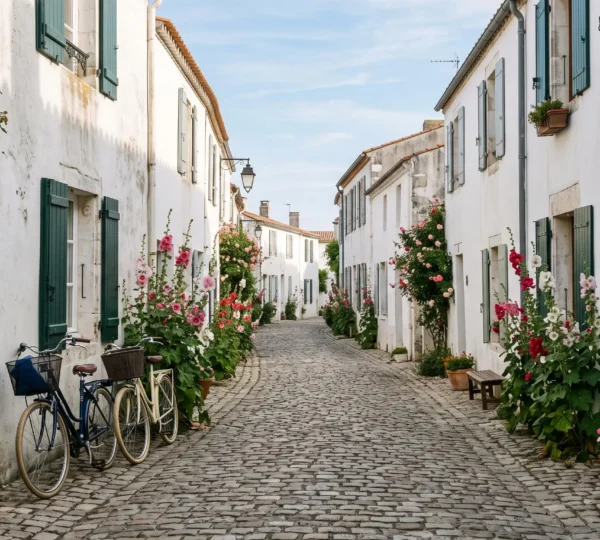
What Makes Île de Ré the Perfect Destination for a Relaxing French Getaway?
Direct answer: Île de Ré is ideal for a relaxing French getaway because it naturally pushes you into a slower rhythm: it’s compact and flat enough to explore gently (often by bike), it’s shaped by villages with distinct atmospheres, and…
Lire la suite
Which hop-on hop-off bus tour in Paris is worth it?
Choosing the right hop-on hop-off bus tour in Paris depends on more than ticket price alone. Frequency, onboard experience, technology, environmental commitment and ticket flexibility all contribute to the overall value. While several operators cover Paris’ iconic landmarks, the differences…
Lire la suite
Protecting Quality Family Time From Common Holiday Friction and Disappointment
Contrary to popular belief, the key to a joyful family holiday isn’t a perfect itinerary; it’s actively protecting your shared time from the ‘satisfaction destroyers’ of over-scheduling, digital distraction, and performative pressure. Overly rigid plans can reduce family enjoyment by…
Lire la suite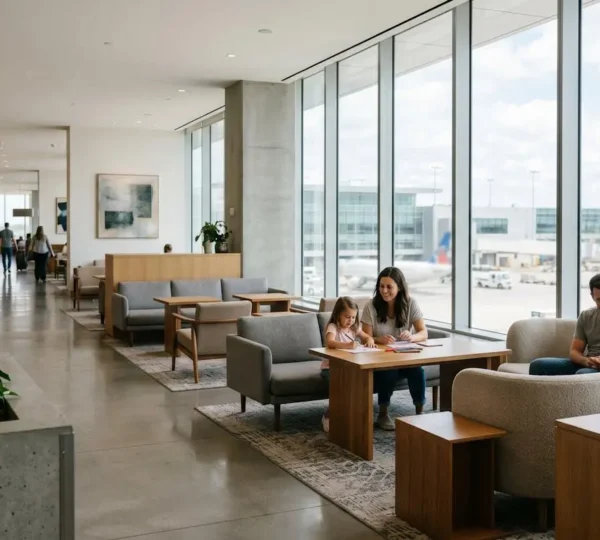
Beyond the Velvet Rope: A Parent’s Guide to VIP Travel That Enhances, Not Complicates
Many affluent families avoid VIP travel services, fearing they’ll raise entitled children. The real issue isn’t the service, but the strategy. VIP services are tools for surgically targeting specific family travel ‘friction points’ (like queues and transitions), not blanket status…
Lire la suite
Designing Deliberate Romantic Experiences That Strengthen Couple Connection
Contrary to the belief that romance thrives on grand, expensive gestures, true connection is built by intentionally designing small, novel shared experiences. This guide explains the science behind why a 7-minute novel activity can be more powerful than a luxury…
Lire la suite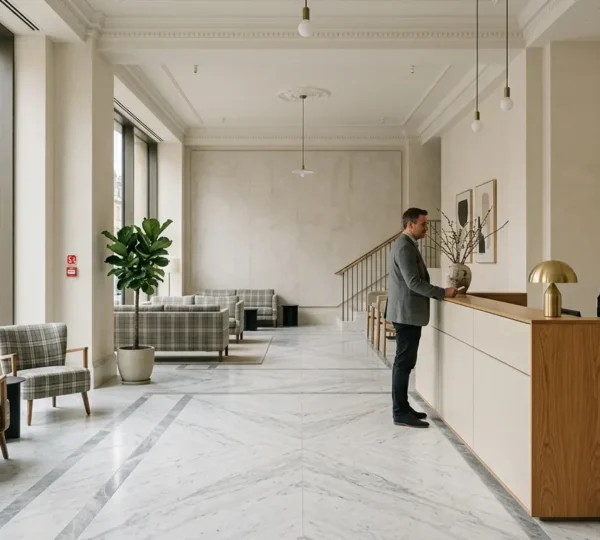
What Every UK Hotel Owes You: A First-Timer’s Guide to Non-Negotiable Services
In summary: Every UK hotel, regardless of price, must legally provide fundamental standards of safety, cleanliness, and functionality. Your rights are protected by the Consumer Rights Act 2015, which requires services to be « fit for purpose » and delivered with « reasonable…
Lire la suite
Defining Your Personal Minimum Quality Standard to Prevent Regrettable Stays
The biggest mistake first-time travellers make is relying on vague star ratings and reviews, leading to disappointing stays. The solution is to proactively create a Personal Minimum Quality Standard (PMQS) before you even start searching. Your PMQS translates abstract needs…
Lire la suite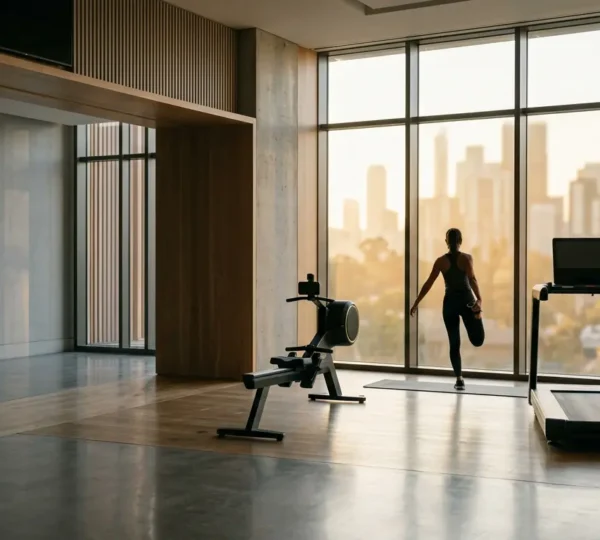
Beyond the Minibar: A Strategic Guide to Documenting Hotel Wellness for High-Engagement Blog Narratives
The key to standout hotel wellness content is shifting your mindset from a ‘reviewer’ of facilities to a ‘storyteller’ of performance and experience. Successful narratives are built on a ‘performance ecosystem’—integrating workouts with sleep, nutrition, and recovery. Authentic content requires…
Lire la suite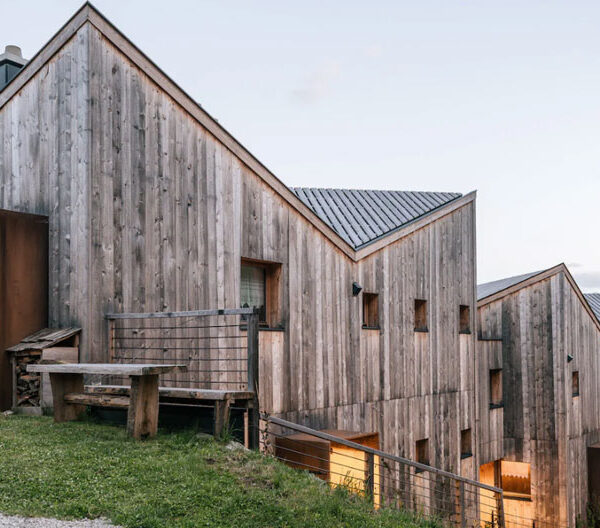
How eco friendly accommodation is reshaping tourism in southern Europe
The Mediterranean coastline has always drawn millions seeking sun-soaked escapes, yet the way travelers choose where to stay is undergoing a profound shift. What began as a niche preference for environmentally conscious lodging has evolved into a mainstream movement reshaping…
Lire la suite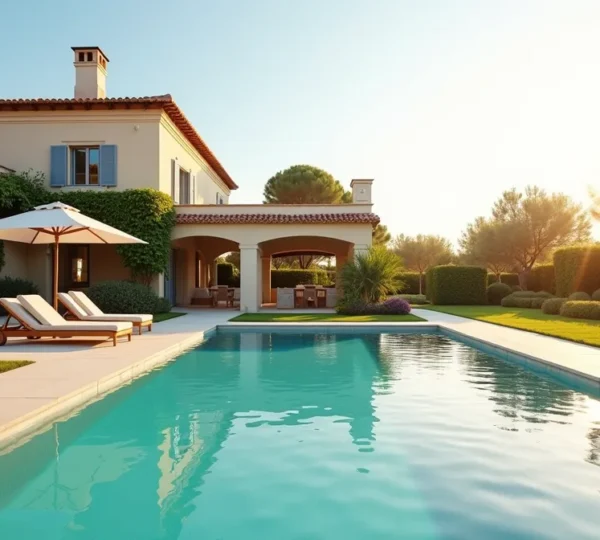
Why a Private Villa Is the Premier Choice for a Saint Tropez Getaway
Saint Tropez is more than a destination; it’s a feeling—a blend of sun-drenched glamour, artistic heritage, and Mediterranean charm. For the discerning traveler, the choice of accommodation is not merely a logistical detail but the foundation of the entire experience….
Lire la suite