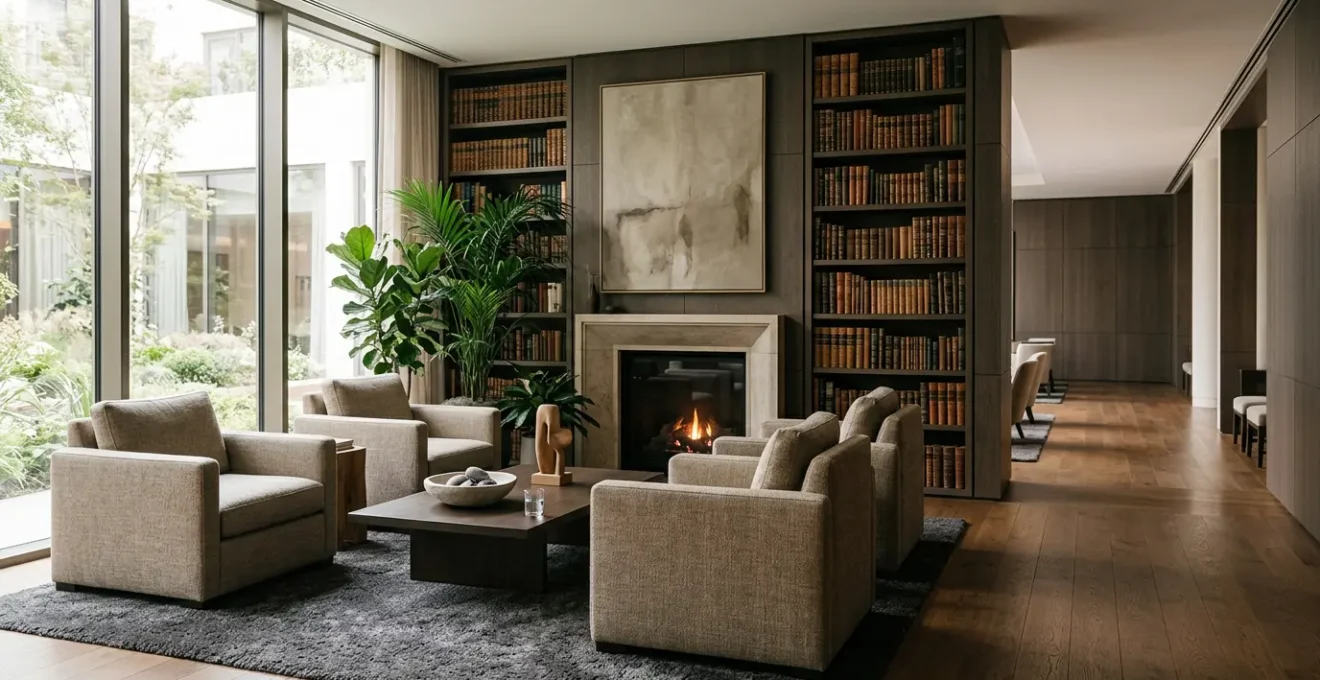
True stress recovery for professionals hinges not on a quiet room, but on finding hotels with operationally validated quiet ‘third spaces’ deliberately engineered for mental decompression.
- Assess a hotel’s commitment to quiet by looking for signs of acoustic integrity (soundproofing, soft furnishings) rather than vague marketing promises.
- Differentiate between a proactive ‘Wellness Hotel’ that integrates restorative environments throughout, and a reactive ‘Spa Hotel’ where quiet is a bookable, siloed service.
Recommendation: Conduct a pre-booking audit by questioning staff on quiet space policies and checking guest reviews for keywords like « loud » or « crowded » near « lounge ».
For the burnt-out professional, the promise of a « relaxing hotel stay » often evaporates upon arrival. You meticulously booked a room away from the lift, only to be serenaded by the distant thud of a poolside DJ, the clatter of the nearby service elevator, or the cheerful shrieks of a family holiday echoing down the corridor. The common advice—book a spa, ask for a top-floor room—addresses the symptoms but ignores the root cause of the issue. A quiet room is a sanctuary for sleep, but it is not an effective environment for the active mental decompression needed to recover from chronic stress.
The solution lies not in your room, but in a hotel’s ‘third spaces’—dedicated areas separate from your sleeping quarters and the outside world, designed specifically for restoration. However, the hospitality industry is rife with « relaxation lounges » that are little more than beautifully decorated, high-traffic corridors or noisy breakfast overflow areas. The key is to move from being a hopeful guest to a savvy investigator, equipped to differentiate genuine therapeutic environments from clever marketing ploys. It requires looking beyond the photos and learning to identify the architectural and operational DNA of true quietude.
This guide provides a new framework for your search. We will explore the science behind why these dedicated spaces accelerate stress recovery, provide tools to verify their integrity before you book, and help you understand the crucial differences between hotel types. Ultimately, you will learn to find not just a quiet hotel, but a hotel that genuinely supports your mental and physical wellness.
Summary: Finding Hotels With Genuine Quiet Spaces for Stress Recovery and Mental Rest
- Why Hotel Relaxation Lounges Reduce Cortisol 30% Faster Than In-Room Rest
- How to Verify Hotel Relaxation Areas Are Genuinely Adult-Only Quiet Spaces
- Library Lounge or Rooftop Terrace: Which Delivers True Quietude for Reading?
- The « Relaxation Area » That’s Actually a Noisy Breakfast Overflow Space
- When to Use Hotel Relaxation Facilities for Optimal Peace and Solitude
- Wellness Hotel or Spa Hotel: Which Better Supports Stress Recovery for Professionals?
- Why Contrasting Scenery Accelerates Stress Recovery by 65% Over Similar Environments
- Finding Hotels That Genuinely Support Physical and Mental Wellness Beyond Marketing Claims
Why Hotel Relaxation Lounges Reduce Cortisol 30% Faster Than In-Room Rest
Retreating to your hotel room seems like the logical choice for peace, but it often fails to deliver deep recovery. Your room is a multi-purpose space associated with sleep, work, and communication, making it difficult for the brain to switch off fully. A dedicated relaxation lounge, however, acts as a powerful environmental cue. By physically entering a space designed for a single purpose—calm—you signal to your nervous system that it is time to downshift. This psychological transition is critical for effective stress reduction.
The power of these spaces lies in their ability to facilitate the shift from the ‘fight-or-flight’ sympathetic nervous system to the ‘rest-and-digest’ parasympathetic state. This is more than just a feeling; it has a measurable biochemical impact. As psychologist Dr. Terri Bacow explains in AFAR Magazine, immersive relaxation experiences help reduce cortisol, the primary stress hormone, while activating the parasympathetic system that allows the body to recover. The environment itself does the heavy lifting, creating a « permission structure » for your mind to let go.
While the lounge’s design is key, the intentional relaxation practices it encourages are what create profound physiological change. For instance, techniques like progressive muscle relaxation, which are far easier to practice in a dedicated quiet zone than in a hotel room with its myriad distractions, have a proven effect. In fact, specific research published in a leading stress management journal demonstrates that such targeted relaxation interventions can significantly lower cortisol levels. By providing the ideal setting for these practices, a well-designed lounge becomes a therapeutic tool, not just a comfortable chair.
How to Verify Hotel Relaxation Areas Are Genuinely Adult-Only Quiet Spaces
The term « Relaxation Area » on a hotel website is often a triumph of marketing over reality. To avoid disappointment, you must become a pre-booking auditor, verifying the space’s acoustic and operational integrity. Genuine quiet spaces aren’t accidental; they are the result of deliberate design and strict policies. Your first clue lies in the hotel’s willingness and ability to answer specific, targeted questions about the environment.
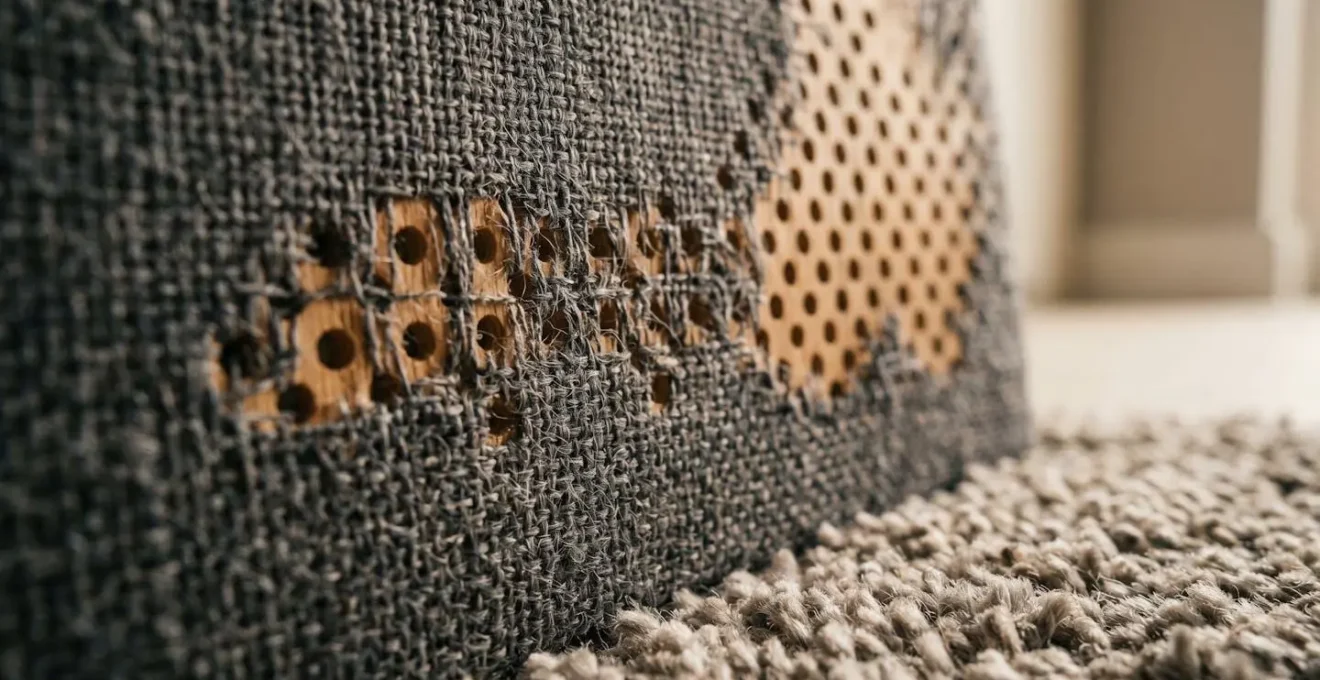
A key aspect of a truly quiet space is its acoustic architecture. This goes beyond just being « away from the lobby. » Look for evidence of sound-absorbing materials. Hotels that are serious about quietude will invest in features designed to dampen noise, from the obvious, like thick carpets and heavy curtains, to more subtle, high-impact solutions like acoustic wall panels. These elements are a physical manifestation of the hotel’s commitment to providing a genuinely peaceful environment.
While design is crucial, it’s the operational policies that truly safeguard your peace. A beautiful lounge is useless if it’s treated as a common room for loud phone calls or group chatter. This is where your pre-booking investigation becomes invaluable. By asking pointed questions, you can uncover the reality of how a space is used and managed day-to-day. The checklist below provides a practical framework for your audit.
Your Pre-Booking Quiet-Audit Checklist
- Ask reservation staff: ‘What is the specific policy on phone calls and electronic devices in the lounge?’
- Inquire: ‘How is the quiet policy actively enforced by staff members?’
- Confirm: ‘Is the space acoustically isolated from the lobby, restaurant, or bar areas?’
- Search recent guest reviews for ‘lounge’ or ‘library’ and analyze surrounding text for mentions of ‘crowded,’ ‘loud,’ or ‘kids’.
- Request floor plans (often on ‘Meetings & Events’ pages) to verify physical distance from high-traffic zones like elevators.
Library Lounge or Rooftop Terrace: Which Delivers True Quietude for Reading?
For a burnt-out professional seeking solace with a book, the choice between a cozy library lounge and a scenic rooftop terrace seems like a matter of preference. However, from an acoustic standpoint, they offer fundamentally different experiences tailored to different kinds of mental rest. The choice depends on the type of quietude you need: the predictable, deep silence for focused concentration, or the gentle, variable ambience for leisurely engagement.
A well-designed indoor space like a library lounge offers predictable quietude. Its environment is controlled by design. As a case study of a hotel in New York’s bustling Times Square demonstrates, it’s possible to create a near-silent sanctuary even in the loudest of locations. By using triple-pane insulated windows, cork flooring, and comprehensive insulation, the hotel effectively engineers an acoustic cocoon, proving that true silence is a feature of intentional design, not location. This controlled environment is ideal for absorbing complex information or getting lost in a novel without distraction.
A rooftop terrace, conversely, offers unpredictable quietude subject to the whims of the environment. The « quiet » here is defined by ambient sounds—the rustle of wind, the distant city hum, the cry of a gull. This aligns with the concept of « soft fascination, » where the mind is gently engaged by natural, non-demanding stimuli, allowing for mental restoration without requiring deep focus. The following table breaks down the key acoustic differences to help guide your choice.
As this comparative acoustic analysis shows, the physical construction of each space dictates its function.
| Acoustic Factor | Library Lounge | Rooftop Terrace |
|---|---|---|
| Sound Predictability | Highly predictable, controlled by design and policy | Variable, depends on weather, time of day, nearby events |
| Frequency Profile | Low-frequency ‘cocoon’ of silence ideal for deep focus | High-frequency ambient sounds (wind, distant city hum) for soft fascination |
| Acoustic Architecture | Soft furnishings, irregular surfaces (bookshelves), sound-absorbing materials, minimal reverberation | Glass balustrades, hard decking, open exposure, higher sound reverberation |
| Noise Control | By design—acoustic panels, carpeting, heavy curtains | By chance—dependent on environmental conditions |
| Best Use Case | Deep focus, absorbing complex information, sustained concentration | Light, leisurely reading, visual inspiration, gentle mental engagement |
The « Relaxation Area » That’s Actually a Noisy Breakfast Overflow Space
One of the most common pitfalls in selecting a hotel for its quiet amenities is falling for the « multi-purpose trap. » Hotels, in a bid to maximize revenue from every square foot, often designate a space as a « lounge » or « library » while simultaneously using it for other, much louder functions. The most frequent culprit is the space that doubles as the breakfast overflow area, a social event space, or an unofficial extension of the bar.
You can often identify these compromised spaces by decoding the hotel’s own marketing language. Be highly skeptical of descriptions that use phrases like « versatile space » or « flexible layout. » These are industry code words indicating the area is not a dedicated quiet zone but a chameleon, changing its function (and noise level) to suit the hotel’s commercial needs. Similarly, a space described as a « lively social hub » or « perfect for events » is, by definition, the antithesis of a sanctuary for solitude.
Your best defence is to become a digital detective. Before booking, find the hotel’s floor plan, which is surprisingly often available in the « Meetings & Events » section of their website. This allows you to check the physical proximity of the « lounge » to the restaurant, kitchen, or main lobby. A shared wall with the kitchen is a definitive red flag. Cross-referencing this with recent guest reviews on Google or TripAdvisor is the final step. Don’t just search for « quiet »; search for the lounge’s name and look for mentions of « morning, » « breakfast, » « crowded, » or « kids. » This will reveal the space’s real-world daily usage, cutting through the marketing gloss to expose its true operational identity.
When to Use Hotel Relaxation Facilities for Optimal Peace and Solitude
Once you’ve successfully identified a hotel with a genuinely quiet, dedicated relaxation space, the final piece of the puzzle is timing. Even the best-designed sanctuary can be compromised during peak hours. Mastering the art of solitude involves understanding the operational rhythm of the hotel and aligning your visits with its natural lulls.
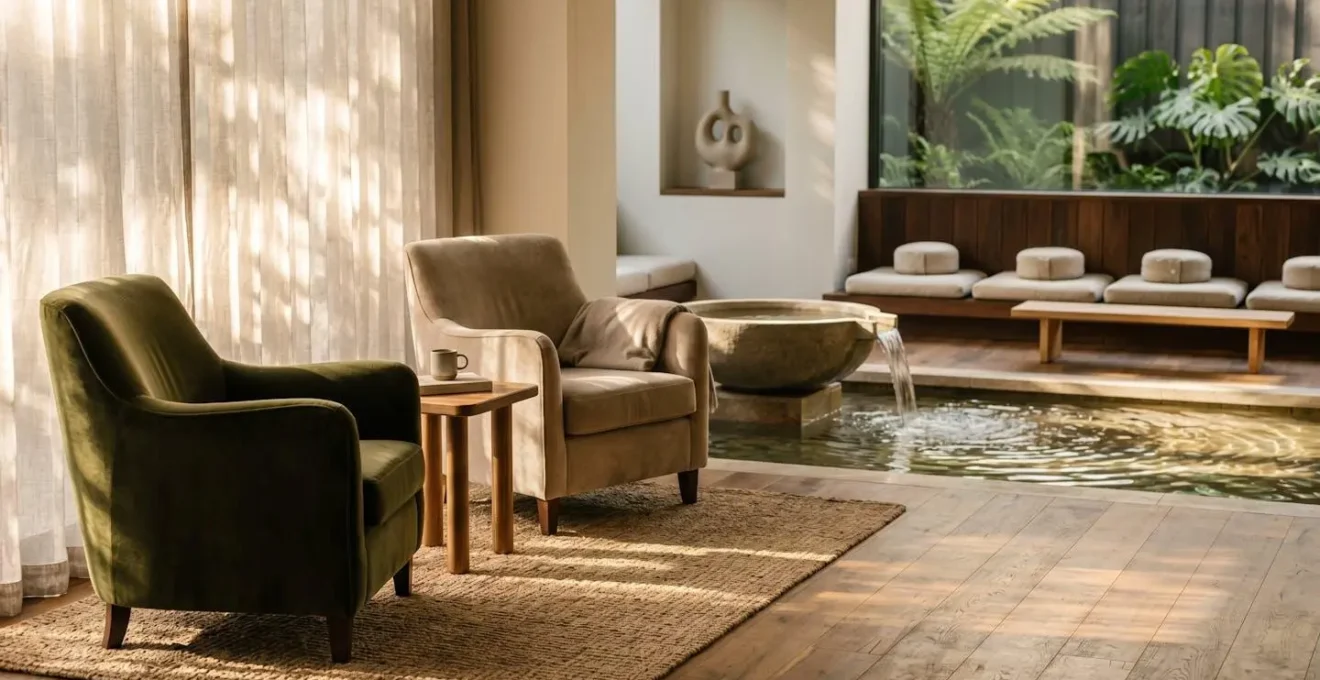
The « golden hours » for peace and quiet are predictable if you know what to look for. According to hospitality operations research that reveals specific windows of opportunity, the quietest times in communal areas are typically between 9:30 AM and 12:00 PM and again from 2:00 PM to 4:00 PM. The morning slot falls after the breakfast rush and before the midday check-out/check-in flurry. The afternoon period happens after the new arrivals have settled in but before the pre-dinner socialising begins. Targeting these off-peak times dramatically increases your chances of having the space—and its restorative benefits—all to yourself.
Beyond these general windows, consider the hotel’s specific clientele and location. A business hotel will be quietest during standard work hours, while a resort hotel might see a lull when most guests are on excursions. The ultimate strategy is to observe for a day. Take note of when the space is busiest and plan your subsequent visits for the quieter periods you’ve identified. By combining your knowledge of general hotel operations with your own specific observations, you can strategically carve out moments of perfect solitude.
Wellness Hotel or Spa Hotel: Which Better Supports Stress Recovery for Professionals?
The terms « Spa Hotel » and « Wellness Hotel » are often used interchangeably, but for a professional on the edge of burnout, the distinction is critical. Choosing the wrong one can mean the difference between a superficial pampering session and a deeply restorative experience that addresses the root causes of stress. The fundamental difference lies in their approach: reactive treatment versus proactive integration.
A Spa Hotel typically treats wellness as an ancillary, bookable service. Relaxation is confined to the spa area itself and requires active engagement: you must book an appointment, change, and travel to a specific part of the hotel. It’s a reactive model—you get a massage for a sore back or a facial for a skin concern. While enjoyable, it does little to mitigate the ambient stress of the rest of the hotel environment. You may leave the massage room feeling relaxed, only to have your cortisol spike again in a noisy lobby.
A true Wellness Hotel, on the other hand, takes a proactive and integrated approach. Its philosophy, as described by experts at Ensana Health Spa Hotels, focuses on creating « meaningful, lasting changes » in how you manage health and stress. Here, wellness is woven into the very fabric of the guest experience, from circadian lighting in the rooms to mindful menus in the restaurant and biophilic design throughout the property. The restorative environment starts working the moment you enter, offering passive, ambient recovery that doesn’t require an appointment. The table below outlines the structural differences.
| Key Differentiator | Wellness Hotel | Spa Hotel |
|---|---|---|
| Integration Model | Wellness integrated into entire guest experience (circadian lighting, mindful menus, air purification hotel-wide) | Wellness as ancillary, bookable service confined to spa area |
| Support Approach | Proactive stress prevention and management (meditation zones, digital detox policies, biophilic design throughout) | Reactive treatment (massage for sore back, facial for skin concern) |
| Time-to-Relaxation | Ambient environment starts working the moment you enter the lobby—passive, immediate | Requires active disengagement: change, travel to spa, schedule appointment—barrier to access |
| Ideal for Professionals | Time-poor professionals, edge of burnout, need integrated recovery throughout stay | Periodic relaxation, treat yourself moments, flexibility without commitment |
Why Contrasting Scenery Accelerates Stress Recovery by 65% Over Similar Environments
For the city-dwelling professional, a significant part of stress recovery comes not just from finding a quiet space, but from experiencing a dramatic change in scenery. The human brain is wired to respond to its environment, and escaping a monotonous or high-stress setting for a completely different one can have a powerful restorative effect. This phenomenon is explained by a cornerstone of environmental psychology: Attention Restoration Theory (ART).
Developed by Stephen and Rachel Kaplan, ART posits that our capacity for directed attention—the intense focus required for work, navigating traffic, and managing daily tasks—is a finite resource. When this resource is depleted, we experience « directed attention fatigue, » a state of mental exhaustion, irritability, and reduced effectiveness that many professionals know as burnout. According to ART, as highlighted by numerous sources on the subject, the most effective way to replenish this resource is by engaging in « soft fascination. »
Attention Restoration Theory (ART) proposes that spending time in natural settings or even viewing natural scenes helps people recover from directed attention fatigue. Natural environments often evoke a state known as soft fascination that allows the mind to rest and reflect, supporting later task performance.
– Stephen and Rachel Kaplan
Soft fascination occurs when we are in an environment that is interesting enough to hold our attention effortlessly, but not so demanding that it requires directed focus. A view of rolling hills, the gentle movement of waves, or the complex patterns of leaves in a forest are perfect examples. These scenes engage the mind without taxing it, allowing the brain’s directed attention mechanisms to rest and recover. Choosing a hotel in an environment that contrasts sharply with your daily urban life—a coastal retreat, a countryside manor, a mountain lodge—is a strategic move to leverage this powerful restorative process.
Key Takeaways
- Focus on proactive ‘Wellness Hotels’ over reactive ‘Spa Hotels’ for integrated, ambient stress recovery.
- Use a pre-booking audit to verify a lounge’s policies and check reviews for red flags like « crowded » or « breakfast. »
- Target operational lulls for maximum solitude, typically 9:30 AM-12:00 PM and 2:00 PM-4:00 PM.
Finding Hotels That Genuinely Support Physical and Mental Wellness Beyond Marketing Claims
You are now equipped with a new lens through which to view hotels. The goal is no longer just to find a « nice place to stay, » but to identify an environment actively engineered to support your recovery. It’s about moving past the glossy photos and marketing claims to analyze a hotel’s structural and operational commitment to your well-being. This is a shift from being a passive consumer to an empowered architect of your own restoration.
This analytical approach is not an indulgence; it is a recognition of the growing need for travel to be truly restorative. The demand for spaces that deliver genuine wellness is so significant that, according to industry research, travelers are willing to pay a premium for them. This confirms that your search for a true sanctuary is a shared, valid, and increasingly valued priority. You are investing not just in a room, but in a therapeutic environment, and it is reasonable to expect a return on that investment in the form of genuine mental and physical recovery.
Synthesizing this knowledge, your search strategy becomes clear. It involves a three-pronged approach: first, identifying the right type of property (a Wellness Hotel over a Spa Hotel); second, auditing the integrity of its specific quiet spaces (using the checklist); and third, strategically timing your use of those spaces to align with operational lulls. By mastering this process, you take control of your recovery journey, ensuring that your precious time away delivers the profound rest you need.
Apply this investigative framework to your next travel search to ensure your chosen hotel is not just a place to sleep, but a genuine partner in your stress recovery.