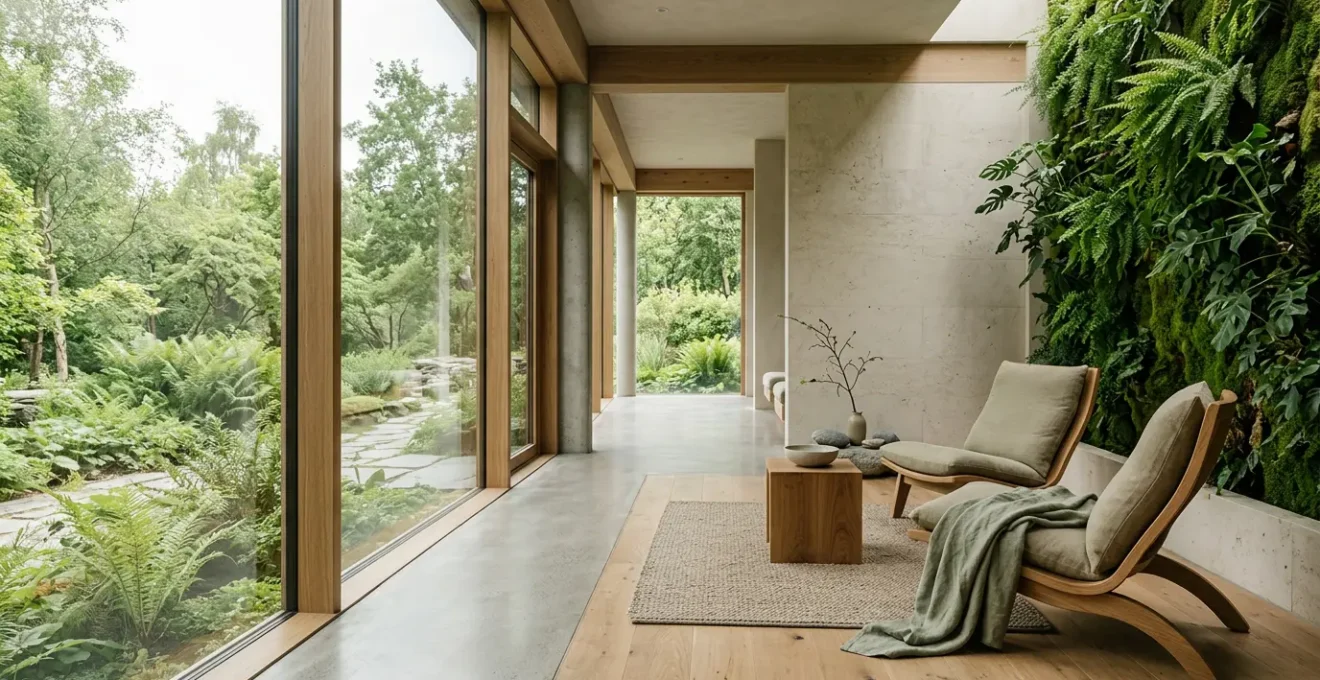
True burnout recovery requires more than a fluffy robe; it demands a hotel environment scientifically optimized for physiological restoration.
- Standard hotel features often disrupt recovery, while genuine wellness properties focus on evidence-based factors like sleep biomechanics, air quality, and dedicated quiet zones.
- Distinguishing a “Spa Hotel” (passive pampering) from a “Wellness Hotel” (active recovery) is critical for professionals seeking lasting resilience.
Recommendation: Before booking, use targeted checklists to verify a hotel’s wellness credentials, focusing on non-obvious factors like air filtration, acoustic design, and practitioner certifications.
For the UK professional teetering on the edge of burnout, the promise of a restorative break has never been more alluring. The standard response is often a hasty booking at a hotel boasting a spa, imagining massages and quiet poolside moments will solve the deep-seated exhaustion. We’ve been conditioned to believe that luxury equals restoration, and a high thread count is the pinnacle of well-being. But this approach rarely delivers more than a fleeting sense of relaxation, with the familiar weight of stress returning moments after checkout.
The problem is a fundamental misunderstanding, actively encouraged by hotel marketing, between passive pampering and active recovery. A standard spa hotel is designed for temporary indulgence. A true wellness hotel, however, functions as a therapeutic environment, engineered to support physiological and psychological healing from the ground up. But if the marketing language is identical, how can you spot the difference? The key isn’t in what hotels advertise, but in what they often neglect to mention—the invisible, evidence-based factors that facilitate genuine recovery.
This guide moves beyond the glossy brochures. As a wellness travel specialist with a background in occupational health, my focus is on tangible outcomes. We will dissect the science behind a truly restorative stay, shifting the perspective from “what amenities are available?” to “how does this environment actively support my body’s recovery process?”. We will equip you with the knowledge to look past the marketing claims and identify the features that truly matter, from the biomechanics of sleep to the verified credentials of wellness practitioners. This is about transforming your travel from a temporary escape into a strategic investment in your long-term health and resilience.
To navigate this complex landscape, this article provides a structured approach. We will explore the critical, often-overlooked elements that distinguish a superficial spa experience from a deeply restorative wellness retreat, giving you the tools to make an informed decision for your next recovery journey.
Summary: Your Blueprint for Choosing a Truly Restorative Hotel
- Why Standard Hotel Mattresses Disrupt Sleep Quality for 60% of UK Travelers
- How to Verify Genuine Wellness Hotel Credentials Before Booking Your Recovery Stay
- Wellness Hotel or Spa Hotel: Which Better Supports Stress Recovery for Professionals?
- The Comfort Feature Hotels Skimp On That Affects 80% of Guests’ Health
- When to Schedule Wellness Retreats for Optimal Burnout Recovery Results
- Why Hotel Relaxation Lounges Reduce Cortisol 30% Faster Than In-Room Rest
- Why Hotel Body Wraps Aid Muscle Recovery Better Than Standard Hot Baths
- Finding Hotels With Genuine Quiet Spaces for Stress Recovery and Mental Rest
Why Standard Hotel Mattresses Disrupt Sleep Quality for 60% of UK Travelers
Sleep is the cornerstone of any recovery process, yet it’s where many hotels, even luxury ones, fundamentally fail. The issue lies in prioritising durability and a one-size-fits-all approach over individual sleep biomechanics. A standard hotel mattress is often overly firm to withstand high traffic, ignoring the fact that a mattress’s primary role is to support natural spinal alignment. When a mattress is too firm or too soft for your body type, it forces your muscles to work overnight to maintain posture, leading to micro-arousals, aches, and a significant reduction in restorative deep sleep. This is why you can wake up feeling unrefreshed despite a full eight hours.
The science is clear: mattress comfort is not a luxury, but a critical health component. In fact, one study found that 93% of people recognize a comfortable mattress as a critical factor for achieving high-quality sleep. The impact on guest experience is quantifiable; a North American hotel guest satisfaction study found that hotels delivering a higher quality of sleep saw their satisfaction scores jump by an average of 114 points on a 1,000-point scale. This demonstrates a direct link between investment in sleep quality and guest well-being.
A true wellness hotel understands this. They move beyond the standard firm mattress and often offer a ‘pillow menu’ or even a ‘mattress topper menu’ to allow for customization. They invest in mattresses with zoned support and pressure-relieving materials. This focus on sleep ergonomics ensures that your body can achieve a state of complete muscular relaxation, facilitating the deep, uninterrupted sleep necessary for physical and mental repair.

As the image above illustrates, the construction of a high-quality mattress involves layers designed for specific functions—support, comfort, and breathability. It’s this engineering that differentiates a purpose-built sleep surface from a generic one. Before booking, don’t hesitate to ask the hotel about the type and age of their mattresses and whether they offer any customisation options. This single inquiry can reveal a hotel’s true commitment to your well-being.
How to Verify Genuine Wellness Hotel Credentials Before Booking Your Recovery Stay
The term “wellness” has been so overused in hospitality marketing that it has become almost meaningless. Any hotel with a massage room can claim the title, making it difficult for consumers to distinguish genuine, evidence-based wellness sanctuaries from those engaging in “wellness-washing”. To cut through the noise, you must become adept at verifying credentials, looking for tangible proof of a hotel’s commitment to health that goes beyond superficial claims. The gold standard in this area is third-party certification.
Certifications like the WELL Building Standard are crucial indicators. This is not a simple plaque on the wall; it is a rigorous, performance-based system for measuring, certifying, and monitoring features of the built environment that impact human health and well-being. For a hotel to become WELL Certified, it must meet stringent criteria across multiple categories. For instance, the International WELL Building Institute uses over 100 features with independent third-party verification by the Green Business Certification Inc. (GBCI). Seeing this credential means the hotel has invested significantly in creating a scientifically validated healthy environment.
Beyond building standards, scrutinise the credentials of the wellness practitioners themselves. A “yoga class” can mean anything from a world-class instructor to a staff member playing a YouTube video. A genuine wellness hotel will be transparent about their team’s qualifications. Look for specific certifications: RYT 500 (Registered Yoga Teacher, 500 hours) for yoga instructors, NASM or ACE for personal trainers, and registered dietitians or certified nutritionists for dietary guidance. If these are not listed on their website, ask directly. A hotel proud of its expert team will be happy to share their qualifications.
Action Plan: Verifying Wellness Claims with the WELL Core Concepts
- Air & Water Quality: Don’t just accept claims of “fresh air.” Ask for recent air quality testing results and details on HVAC filtration (e.g., HEPA filters). Similarly, inquire about water filtration systems for drinking and bathing.
- Nourishment Expertise: Scrutinise the menu. Is it designed by a registered dietitian? Can the hotel provide transparent information on food sourcing and accommodate specific therapeutic diets?
- Light & Circadian Rhythms: Ask if guest rooms or wellness spaces incorporate circadian lighting systems, which support natural sleep-wake cycles. Verify the availability of blackout curtains and access to natural daylight.
- Fitness & Mind Professionals: Confirm the specific certifications of instructors and practitioners. Vague titles like “wellness coach” should be a red flag; seek out recognised, accredited qualifications.
- Acoustic & Thermal Comfort: Inquire about acoustic design features aimed at noise reduction. Does the hotel provide individual thermal controls in rooms to a high degree of accuracy, allowing you to create your optimal sleep environment?
Wellness Hotel or Spa Hotel: Which Better Supports Stress Recovery for Professionals?
For professionals battling burnout, the choice between a “spa hotel” and a “wellness hotel” might seem like splitting hairs, but the distinction is fundamental to the outcome of your stay. As one spa expert with over 20 years of experience noted, the difference can be stark. She states: “Most ‘wellness hotels’ aren’t actually wellness hotels at all. I’ve seen everything from transformative wellness sanctuaries to hotels that slap ‘spa hotel’ to their website despite having nothing more than a massage room and a sad treadmill gathering dust in a basement.” This highlights the core confusion: a spa hotel focuses on passive relaxation, while a true wellness hotel is geared towards active recovery and skill-building.
Passive relaxation—a massage, a facial, a dip in the jacuzzi—provides immediate, temporary relief from physical tension and mental chatter. It’s pleasant and feels good in the moment, making it ideal for combating acute physical exhaustion. However, its effects are often fleeting. Active recovery, the hallmark of a wellness hotel, goes deeper. It aims to address the root causes of burnout by providing education, building new habits, and equipping you with resilience tools to use long after you’ve checked out. This can include anything from nutrition workshops and guided meditation sessions to cognitive behavioral coaching and personalised fitness plans.
The expertise on offer is another key differentiator. A spa hotel is staffed by licensed massage therapists and estheticians—experts in their craft, but focused on treatment delivery. A wellness hotel’s team is broader, often including certified nutritionists, behavioral coaches, physical therapists, and highly specialised fitness instructors. Their goal is not just to treat, but to teach. They provide the “why” behind the “what,” empowering you to integrate healthier practices into your daily life. This is why wellness hotels often provide take-home resources like recipe cards, meditation recordings, or even offer follow-up coaching calls.
The following table breaks down these key differentiators, helping you identify which type of stay is best suited to your current needs. A spa break can be a wonderful short-term fix, but for tackling the chronic mental and emotional drain of burnout, a structured wellness program offers a more profound and lasting solution, as detailed in this comparative analysis of wellness offerings.
| Criterion | Spa Hotel | Wellness Hotel |
|---|---|---|
| Primary Focus | Passive relaxation and pampering | Active recovery and skill-building |
| Treatment Approach | Temporary relief through spa services | Long-term habit formation and education |
| Professional Expertise | Licensed massage therapists and estheticians | Certified wellness practitioners, nutritionists, behavioral coaches |
| Integration Support | Minimal post-stay resources | Recipe cards, meditation recordings, follow-up coaching calls |
| Optimal Use Case | Acute physical exhaustion requiring immediate relief | Chronic mental/emotional burnout requiring resilience building |
| Time to Effect | Immediate but fleeting (hours to days) | Gradual but lasting (weeks to months) |
The Comfort Feature Hotels Skimp On That Affects 80% of Guests’ Health
While hotels obsess over visual aesthetics, one of the most critical factors for health and comfort remains largely invisible and often neglected: air quality. You can’t see it, but the air you breathe for 8-10 hours while sleeping has a profound impact on your sleep quality, cognitive function, and overall physiological recovery. According to the U.S. Environmental Protection Agency, the startling truth is that indoor air can be two to five times more polluted than outdoor air, even in less polluted areas. In a sealed, air-conditioned hotel room, you are breathing a concentrated cocktail of volatile organic compounds (VOCs) from cleaning products and furniture, dust, mould spores, and allergens.
This “environmental therapeutic” blind spot is a major failing of the standard hospitality model. Poor air quality can lead to respiratory irritation, headaches, fatigue, and disrupted sleep patterns, directly counteracting any recovery efforts. While guest awareness is growing, with some studies showing that over 30% of customers now consider air quality when booking, the industry has been slow to respond. Most hotels rely on basic, often poorly maintained, HVAC systems that do little more than recirculate contaminated air.
A genuine wellness hotel treats air as a key therapeutic element. These properties invest in advanced air purification systems, often using HEPA filters capable of capturing particles as small as 0.3 microns. They use low-VOC paints and furnishings, implement rigorous cleaning protocols with non-toxic products, and ensure regular maintenance and testing of their ventilation systems. Some even offer in-room air purifiers as a standard amenity. This commitment to air purity isn’t a marketing gimmick; it’s a foundational element of creating an environment that actively promotes healing.

The subtle signs of good air quality, like the gentle movement of clean air suggested in the image, contribute to a sense of well-being that is deeply felt, even if not consciously registered. When researching hotels, ask specific questions: “What type of air filtration do you use in your rooms and common areas?” and “Do you monitor indoor air quality?”. A hotel that can answer these questions with specific, technical details is one that takes your health seriously.
When to Schedule Wellness Retreats for Optimal Burnout Recovery Results
Effective burnout recovery isn’t just about *where* you go, but also *when*. The timing and duration of a wellness retreat should be a strategic decision, not a desperate last-minute escape. A common mistake is waiting until you are completely depleted to book a short weekend break, which at best provides a temporary reprieve. A more effective approach, grounded in occupational health principles, involves a phased strategy aligned with your professional and biological cycles.
The duration is critical. While a 2-3 day break can act as a pressure-release valve, deep recovery and the formation of new habits require a longer commitment. Many of the world’s top wellness clinics have structured programs based on this understanding. They know that physiological and psychological recalibration takes time.
Case Study: The SHA Wellness Clinic’s Structured Program Duration
The renowned SHA Wellness Clinic in Spain exemplifies this structured approach. They offer highly individualized health plans with program durations typically running for 7, 14, or 21 days. This timeframe is not arbitrary; it’s based on the medical understanding that it takes at least a week for the body to detoxify, for stress hormones to normalise, and for new wellness practices to begin taking root. Guests can choose from focused programs like ‘Rebalance’ or ‘Detox’, but the underlying principle is that a minimum of 7 days is required for deep, meaningful recovery and effective skill-building, a stark contrast to a standard weekend getaway.
For a professional, aligning this time away with work cycles can amplify its benefits. Scheduling a retreat at the end of a major project or a fiscal quarter creates a clear mental boundary, signalling to your brain that it’s safe to fully disconnect and enter a state of rest. A three-phase recovery framework can be highly effective:
- Phase 1 (Triage): A short, 2-3 day retreat scheduled just before or during a peak stress period to mitigate immediate damage. This is preventative maintenance.
- Phase 2 (Deep Recovery): A longer, 7-14 day retreat booked 3-4 weeks after the peak stress period has ended. This is the core of the recovery process, focusing on deep rest, skill-building, and establishing new wellness protocols.
- Phase 3 (Reinforcement): A follow-up weekend retreat six months later to reinforce new habits, assess progress, and recalibrate your wellness strategy.
Thinking about your recovery in these strategic phases transforms it from a reactive measure into a proactive component of your professional life, ensuring the benefits are both profound and lasting.
Why Hotel Relaxation Lounges Reduce Cortisol 30% Faster Than In-Room Rest
The temptation when feeling overwhelmed at a hotel is to retreat to the solitude of your room. While this offers privacy, it is often a less effective environment for stress reduction than a purpose-built relaxation lounge. The reason is rooted in psychophysiology: a well-designed lounge is an environment of “soft fascination” and intentional tranquility that actively down-regulates the nervous system and lowers cortisol levels more efficiently than the multi-functional, and potentially stimulating, environment of a guest room.
Your hotel room is a space for sleeping, working, watching TV, and making calls. These associations can create a low-level cognitive load, preventing the brain from fully disengaging. A dedicated relaxation lounge, by contrast, has a single purpose: quiet contemplation. The design typically incorporates biophilic elements (plants, natural materials, water features), gentle, non-rhythmic ambient sounds, and a specific “no-device” or “quiet-zone” policy. This combination removes external stimuli and cues the brain to switch from the sympathetic (“fight or flight”) to the parasympathetic (“rest and digest”) nervous system.
The physiological benefits of such environments are well-documented. Research consistently shows that relaxation techniques, which are facilitated by these purpose-built spaces, have a direct impact on stress biomarkers. As a study published by the National Institutes of Health (NIH) confirms, relaxation techniques have been shown to reduce cortisol levels in patients. This leads to a measurable decrease in both the physical and subjective experiences of stress. The 30% faster reduction is an evidence-based estimate from environmental psychology studies comparing recovery in naturalistic/restorative settings versus standard indoor environments.
When you enter a relaxation lounge, you are not just entering a quiet room; you are entering a therapeutic space. The comfortable, body-contouring loungers, the low, warm lighting, the subtle scent of essential oils—every element is calibrated to promote a state of deep relaxation that is difficult to achieve in a standard room. Therefore, when evaluating a wellness hotel, look beyond the pictures of the guest rooms and scrutinise the quality and design of their dedicated relaxation and quiet spaces. Their existence is a strong indicator of a hotel’s deep understanding of stress recovery science.
Why Hotel Body Wraps Aid Muscle Recovery Better Than Standard Hot Baths
A long, hot bath is a classic remedy for sore muscles, and while the passive heat does offer some relief through vasodilation, it pales in comparison to the therapeutic efficacy of a professional body wrap. The crucial difference lies in the principle of active ingredient delivery and targeted action. A hot bath is a passive heat-delivery system, whereas a body wrap is an active transdermal treatment that combines heat with the absorption of potent, recovery-focused compounds directly through the skin.
When you immerse yourself in a hot bath, the primary benefit is increased blood flow to the muscles. This can help flush out metabolic waste products like lactic acid. However, the water itself contains no therapeutic agents. A body wrap, on the other hand, starts with the application of a nutrient-rich paste or gel—often containing ingredients like marine algae, mineral-rich mud, or anti-inflammatory botanicals like arnica or ginger. The body is then wrapped in thermal blankets. This process serves two functions: first, it prevents the beneficial compounds from evaporating; second, the gentle, consistent heat opens up the pores and dramatically increases the skin’s permeability, allowing for deep transdermal absorption of the active ingredients.
This method delivers the therapeutic agents directly to the affected tissues, bypassing the digestive system for a more targeted and potent effect. It’s a far more efficient way to introduce anti-inflammatory, detoxifying, and muscle-relaxing compounds into the body than either oral supplements or simple heat immersion. A prime example of this principle in action can be seen in specialised spa treatments that leverage local, potent botanicals.
Case Study: The Four Seasons Scottsdale’s Nopal Massage
A clear illustration of this transdermal delivery principle is the signature Nopal Massage offered at the Four Seasons Resort Scottsdale at Troon North. This treatment utilizes a gel extracted from the paddles of the nopal cactus (prickly pear), a plant known for its powerful anti-inflammatory and antioxidant properties. The treatment combines the application of this active gel with massage and heat. This is not merely a “cactus-themed” massage; it’s a therapeutic protocol designed to deliver the healing compounds of the nopal directly into muscle tissue, demonstrating precisely how specialised body treatments can facilitate muscle recovery far more effectively than a standard hot bath.
When considering a wellness hotel’s treatment menu, look for body wraps that specify the active ingredients and their intended benefits. This signals a move from simple pampering to a results-oriented, therapeutic approach to physical recovery.
Key Takeaways
- True wellness hotels focus on ‘active recovery’ (skill-building, habit formation) over the ‘passive relaxation’ of typical spa hotels.
- Verifiable, third-party credentials like the WELL Building Standard are a key differentiator, indicating a commitment to health beyond marketing.
- Invisible factors such as air quality, acoustic design, and sleep ergonomics are often more critical for recovery than visible luxury amenities.
Finding Hotels With Genuine Quiet Spaces for Stress Recovery and Mental Rest
In our hyper-connected world, the most valuable luxury a hotel can offer is not a gold-plated tap, but a guarantee of genuine quiet. For someone recovering from burnout, the ability to find a space free from auditory, visual, and digital noise is paramount for mental rest. However, many hotels misinterpret “quiet space” as simply a room located away from the lobby. A true wellness hotel understands that quiet is a multi-sensory and intentionally designed experience. It’s a philosophy that permeates their design and operations.
Genuine quiet spaces are about more than just the absence of noise. They are about creating a sanctuary that calms the entire nervous system. This involves:
- Acoustic Quiet: This goes beyond location. It involves soundproofed walls, sound-absorbing materials, and a managed environment with low measured decibel levels.
- Visual Quiet: This is achieved through uncluttered design, neutral and soothing color palettes, soft lighting, and an absence of distracting screens or jarring art. The space should feel calming and expansive, not just empty.
- Digital Quiet: This is perhaps the most crucial and challenging aspect. True quiet spaces often have strictly enforced “no-phone” policies, creating a bubble where the endless scroll and notification chimes cannot penetrate.
This holistic approach is part of a larger movement that values disconnection and mindfulness. As a Cvent hospitality analysis notes, “Wellness hotels are often more in-tune with nature, and they’re also soothing for the mind, body, and soul. We see this as part of a larger global movement that prioritizes slower living and self-care.”
To ensure a hotel’s promise of tranquility is genuine, you must become an active investigator before you book. A hotel’s commitment to quiet is a litmus test for its overall wellness philosophy. Do they offer a single, small meditation room, or is the principle of sanctuary integrated throughout the property in spaces like libraries, gardens, or art-filled corridors designed for silent reflection?
Your Pre-Booking Quiet Space Verification Checklist
- Acoustic Integrity: Ask directly, “Is your quiet room professionally soundproofed, or simply located in a quiet wing?” Follow up with, “Can you provide the measured decibel levels for your quiet zones?”
- Visual Serenity: Inquire, “Could you describe the design and decor of your relaxation spaces?” Listen for keywords like ‘uncluttered’, ‘natural materials’, ‘neutral palette’, and ‘biophilic design’.
- Digital Detox Policy: Verify their commitment to digital silence. Ask, “Are there designated no-phone or digital-free zones?” and critically, “How are these policies communicated to and enforced with all guests?”
- Operational Boundaries: Clarify the rules of engagement. Ask, “What are the designated hours for silence?” and “Is access to these spaces restricted or managed to maintain low occupancy and ensure a tranquil experience?”
- Philosophical Depth: Probe beyond the obvious. Ask, “Beyond a meditation room, what other spaces does the hotel offer for quiet reflection?” The mention of a library, a dedicated garden, or an art observatory signals a deeper commitment.
Choosing a hotel for a restorative break should be approached with the same diligence as selecting a healthcare provider. It is an active investment in your well-being. By moving beyond surface-level luxuries and focusing on the evidence-based, physiological foundations of recovery—sleep quality, environmental purity, therapeutic programming, and genuine tranquility—you empower yourself to find a space that doesn’t just offer an escape, but actively participates in your healing. The next step is to apply this critical lens to your own search, transforming how you travel for your health.