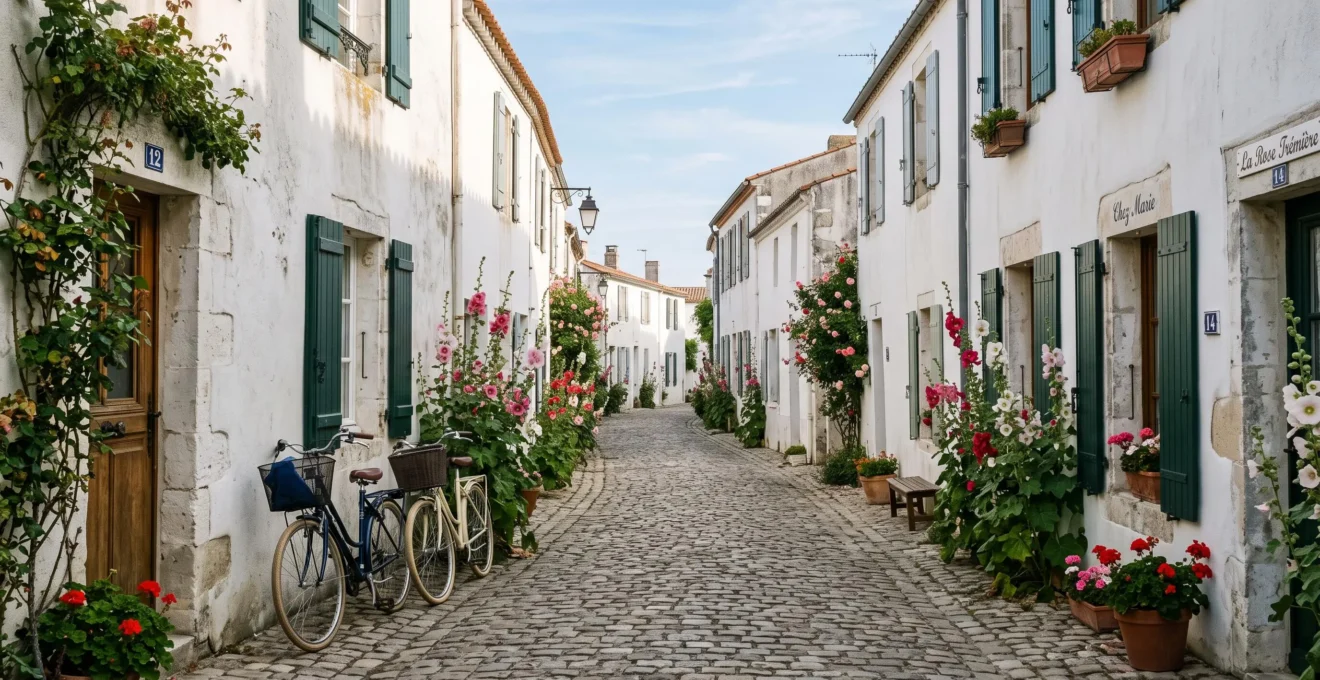
Direct answer: Île de Ré is ideal for a relaxing French getaway because it naturally pushes you into a slower rhythm: it’s compact and flat enough to explore gently (often by bike), it’s shaped by villages with distinct atmospheres, and its landscapes—beaches, salt marshes, forests—invite simple, low-effort days rather than packed itineraries.
If you’re craving a coastal break that feels calm instead of “resort-busy,” Île de Ré can fit—provided you choose the right village and the right season. The island is known for its cycle-friendly feel and everyday pleasures like markets, long walks on tidal beaches, and sunset strolls inside village lanes.
This guide focuses on what actually creates that sense of ease—pace, scenery, and soft activities—plus when to go if you worry it might be “too touristy,” and how to plan a stay that stays restful.
- What Makes Île de Ré the Perfect Destination for a Relaxing French Getaway?
- How Do the Island’s Villages and Landscapes Shape Its Slow Pace of Life?
- Gentle Activities That Encourage Rest Rather than Exhaustion
- When Should You Visit for the Most Peaceful Experience?
- Planning a Restful Stay: Accommodation and Practical Tips
What Makes Île de Ré the Perfect Destination for a Relaxing French Getaway?
Choose Île de Ré when you want a place where “doing less” feels like the point. Unlike bigger coastlines that can revolve around a single busy resort strip, the island spreads life across multiple small villages and broad natural areas—so you can keep moving without feeling rushed.
Three concrete reasons tend to matter most for a rest-focused trip:
- A flat, compact shape that suits gentle cycling and easy walks, even if you don’t want a sporty holiday.
- Village-based days where you can anchor your routine around a market, a café terrace, a beach, and a slow evening loop back “home.”
- Landscapes built for breathing space: salt marshes, long coastal edges, and pockets of forest that feel open and quiet between villages.
It also helps that you can reach the island quickly from the mainland via La Rochelle, which makes short stays more realistic: you spend less time “in transit” and more time unwinding. For up-to-date local orientation on areas and atmospheres, start with the official page on ten villages and multifaceted landscapes.
A calm trip still needs timing: like most French coastal destinations, the island can feel much busier in peak summer; choosing shoulder-season dates and a quieter base village makes a noticeable difference.
How Do the Island’s Villages and Landscapes Shape Its Slow Pace of Life?
The island’s calm isn’t only about scenery—it’s also about how you move through it. With multiple villages rather than one dominant center, you can dip into small, walkable places for an hour or a whole day, then return to quieter roads and open landscapes in between.
Which villages feel most relaxing if you’re not looking for nightlife?
Île de Ré officially counts ten villages, each with its own atmosphere, according to Destination Île de Ré (the intercommunal tourism office). That variety is useful: it lets you match your base to the kind of calm you mean—“quiet evenings,” “pretty walks,” or “easy beach access”—instead of assuming the whole island feels identical.
To keep expectations realistic, think in “styles” rather than labels like “best” or “worst” (those depend on you):
- Harbour-and-stroll calm: villages where your relaxation looks like walking the port, browsing shops at a gentle pace, then staying local for dinner.
- Marsh-and-horizon calm: areas where you’re close to salt marshes and wide skies—ideal if you unwind through quiet landscapes.
- Beach-first calm: a base that makes it easy to do almost nothing—just beach time, naps, and a short evening walk.
What do salt marshes, vineyards, and forests add to the island’s atmosphere?
They create natural pauses between villages. Instead of a continuous urban ribbon, you get stretches of open terrain—salt marshes, low-lying fields, and wooded patches—where the experience becomes more about space, wind, and light than about ticking off sights.
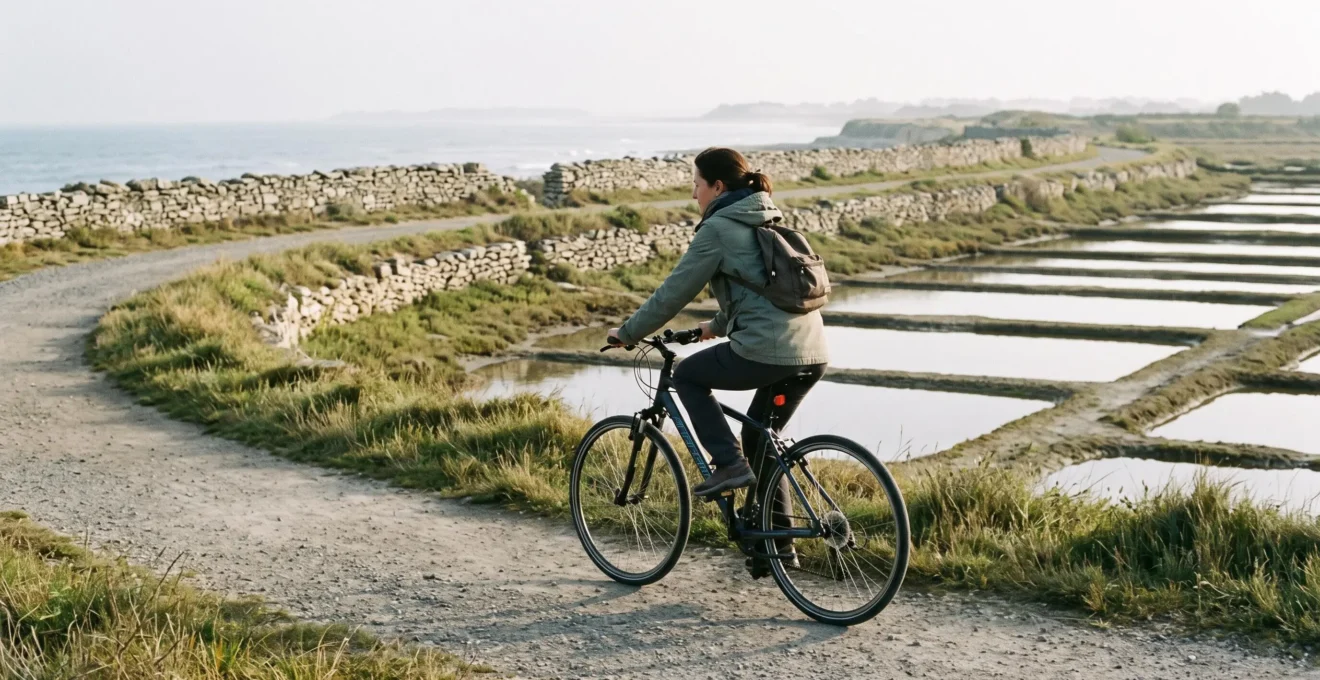
That matters for rest: it’s easier to downshift when your day naturally alternates between a small “human” place (market, bakery, harbour) and a quiet “empty” place (marsh path, coastal edge, forest track). A simple morning can look like a slow market loop followed by an unhurried ride beside the marshes—no schedule needed, just a direction.
Even without exact traffic figures in the available sources, the island’s reputation for cycling is linked to the way visitors commonly move around: slower, outdoors, and in shorter distances. If you want to protect that feeling, choose accommodation where you can walk to basics (bakery, market, beach access) instead of driving for every errand.
Gentle Activities That Encourage Rest Rather than Exhaustion
A relaxing stay on Île de Ré works best when activities stay “light” by design. The goal isn’t to see everything; it’s to do things that don’t require intense planning, long queues, or constant driving.
What are the easiest, most restorative things to do on the island?
Start with the activities that match the island’s natural pace:
- Gentle cycling on flat routes: ride for 30–60 minutes, stop when you feel like it, and turn back without a “loop pressure.”
- Beach time shaped by the tide: long walks, reading, or simply sitting with the horizon—especially good when you resist the urge to beach-hop.
- Local markets and producers: a low-effort way to feel “in France” without planning—fruit, cheese, a picnic, and you’re set.
- Optional soft extras: if it suits you, look for spas/thalassotherapy or a low-key visit around oyster farming; treat these as add-ons, not must-dos.
What does a truly relaxed day look like (without overplanning)?
One simple template is enough: market → slow lunch/picnic → beach or marsh ride → evening village stroll. It works because each block can stretch or shrink depending on your energy, and none of it requires booking a strict time slot.
If you’re the type who relaxes better with a small structure, set just one “anchor” per day (for example, a morning market). Everything else can be decided on the spot—especially if you stay in a village where essentials are walkable.
And if quiet sleep is part of your definition of rest, it’s worth thinking about accommodation design (sound, layout, outdoor space) as much as location. This piece on quiet hotels can help you refine what “restful” means in practical terms.
When Should You Visit for the Most Peaceful Experience?
If your main objection is “Is Île de Ré too touristy for a quiet escape?”, the most helpful answer is seasonal: the island can feel very different depending on when you go.
What’s the best time to visit Île de Ré for peace and quiet?
Late spring and early autumn are often the easiest compromise for a calm atmosphere and mild days—without the intensity of peak summer. You keep the outdoor lifestyle (cycling, beaches, markets) while avoiding the periods that typically concentrate the most visitors on coastal destinations.
For a grounded signal on how patterns are evolving, a local article reporting Destination Île de Ré figures notes that the share of visitors welcomed in very high season (July & August) tends to decrease
(Ré à la Hune, 2025). It also reports a 7% drop in visits to tourist information offices between April and August 2025 compared with 2024, alongside growth in earlier periods—see tendances saisonnières 2025 Île de Ré. These indicators help, but they don’t remove the basic reality: July–August still concentrates demand and requires more planning.
How to use this in real life: if you can choose, aim for shoulder season; if you must travel in summer, protect your calm by booking early and choosing a quieter base with walkable essentials.
How different does the island feel in June versus August?
In June, you can more easily lean into spontaneity: you’re more likely to find space for a long beach walk, and it’s simpler to keep your days unstructured. In August, the same plan can still work, but you’ll usually need to be more deliberate—earlier starts, pre-booked accommodation, and fewer “let’s see what happens” moments.
Off-season can be deeply restful if you enjoy quieter streets and cooler weather. The trade-off is practical: some shops, restaurants, and services may run reduced hours, so you’ll want a self-sufficient base (a good kitchen, a comfortable living space) and lower expectations for late-night options.
Planning a Restful Stay: Accommodation and Practical Tips
A calm break is often won or lost on logistics. On Île de Ré, the most restful stays usually come from one decision: choose a base you won’t need to “escape” from each day.
Which village should you stay in for a quiet trip?
Instead of hunting for a single “quietest” village (it depends on season and exact street), pick based on your personal calm triggers:
- If you relax through walking, choose a village center where you can do bakery/market/dinner on foot.
- If you relax through landscape, prioritise proximity to marshes, dunes, or long coastal paths—even if that means fewer restaurants nearby.
- If you relax through doing very little, choose easy beach access and plan to stay put for most of the day.
Capacity can also influence feel. According to chiffres Insee hébergement Île de Ré, hotels in the intercommunal area counted 39 hotels (921 rooms) and campsites in the intercommunal area 47 campsites (7,604 pitches) as of 1 January 2021. This doesn’t tell you what’s “best,” but it’s a reminder to book thoughtfully in higher-demand periods and to filter accommodation for the environment you want (quiet street, garden, distance from busy spots).
How many days are enough to unwind on Île de Ré?
Three days is often enough to feel the shift if your plan is simple: one village rhythm, one or two gentle rides, and plenty of blank space. A longer stay becomes more relaxing when you keep repeating the same easy pattern rather than adding more stops.
Here’s a calm, low-commitment 3-day outline you can adapt:
- Day 1: Arrive and shrink your world
Settle in, do a short orientation walk, and keep the evening local. The win is going to bed early rather than “maximising” the first night.
- Day 2: One ride, one long pause
Do a gentle bike ride in the morning, then commit to a long beach or marsh break in the afternoon. Pick one dinner spot and stop there.
- Day 3: Market morning, slow exit
Shop the market for picnic food, take a final walk, and leave without squeezing in last-minute detours.
How do you avoid logistical stress (parking, moving around, overbooking)?
Keep decisions few and repeatable. Renting or bringing bikes can reduce friction, especially if you choose accommodation where daily errands are walkable. If you travel in peak periods, booking accommodation earlier is less about “getting a deal” and more about being able to choose a calm location and layout.
Most importantly, limit your daily itinerary to one or two highlights. On a relaxing French getaway, the island itself is the “activity”—the lanes, the wind, the salt-marsh horizons, the markets. Once you accept that, Île de Ré becomes easier to love for the right reasons.
If you’re still hesitating because you fear crowds, make your decision on two levers you control: season (shoulder months if possible) and base village (walkable, calm at night). Do that, and an Île de Ré relaxing getaway is far more likely to feel genuinely restorative rather than just “pretty but tiring.”