Contrary to the belief that romance thrives on grand, expensive gestures, true connection is built by intentionally designing small, novel shared experiences. This guide explains the science behind why a 7-minute novel activity can be more powerful than a luxury holiday and provides a framework for creating and preserving memories that strengthen your unique couple narrative.
Think back to the last « perfect » romantic weekend you planned. The anticipation, the expense, the picture-perfect setting. Now, try to recall the specifics. If the details are hazy, replaced by a vague impression of « it was nice, » you’re not alone. So many couples invest time and money into romantic gestures, only to find the resulting memories fade with surprising speed, leaving little lasting impact on their connection.
The common advice is to book a five-star hotel, secure a reservation at a Michelin-starred restaurant, or indulge in a luxury spa package. We’re taught that the grander the setting, the more romantic the experience. But these are just the stages for romance, not the performance itself. They are passive environments that we hope will magically infuse our relationship with connection, yet they often fall short.
But what if the key to strengthening your bond isn’t about the luxury of the setting, but the design of the experience? What if romance is less about spontaneous magic and more about a deliberate, shared practice? This is the core of experience design for couples: a conscious shift from consuming luxury to co-creating meaning. It’s about building a unique library of shared stories—what we can call your ‘narrative capital’—that becomes a source of strength and identity for your relationship.
This guide will explore the powerful science behind why this approach works. We’ll delve into the ‘why’—the psychology of novelty and memory that bonds us—the ‘how’—the practical steps to select, plan, and execute these moments—and the crucial ‘what now’—the art of documenting your experiences to build a shared history that resists the inevitable fade of time.
Summary: Designing Deliberate Romantic Experiences That Strengthen Couple Connection
- Why Novel Shared Experiences Bond Couples 3× Stronger Than Luxury Settings
- How to Select Romantic Activities Matching Both Partners’ Engagement Styles
- Surprise Romance or Collaborative Planning: Which Creates Stronger Memories?
- The Romantic Cliché That Feels Performative to 60% of Modern Couples
- How to Document Romantic Moments Without Disrupting Present-Moment Connection
- Grand Hotel Chain or Intimate Boutique: Which Delivers Better Honeymoon Memories?
- Why 80% of Travel Memories Fade to Vague Impressions Within Six Months
- Creating Lasting Travel Memories Through Strategic Experience Documentation
Why Novel Shared Experiences Bond Couples 3× Stronger Than Luxury Settings
The foundation of designing powerful romantic experiences isn’t found in a travel brochure or a luxury catalogue; it’s rooted in neuroscience. Our brains are wired to respond to novelty. When we engage in a new and exciting activity, our brains release dopamine, a neurotransmitter associated with pleasure and reward. When we share that experience with a partner, our brains link that pleasurable feeling not just to the activity, but to the person we’re with. This creates a powerful feedback loop that enhances attraction and satisfaction.
This isn’t just a theory; it’s backed by compelling research. A landmark study asked couples to engage in different types of activities. The results were clear: couples reported greater increases in experienced relationship quality from participating together in short, novel, and arousing tasks (just seven minutes long) than from pleasant but mundane ones. This suggests the « excitement » factor of a shared new challenge is a far more potent bonding agent than simply sharing a comfortable, luxurious, but ultimately predictable, environment.
The psychological mechanism at play is often described by Self-Expansion Theory. As relationship psychologists Aron & Aron explain, we are fundamentally motivated to grow and expand our sense of self. When we share novel experiences with a partner, we effectively integrate parts of their perspective and skills into our own, leading to personal and relational growth. As they put it:
The core idea is that people are motivated to enter relationships in order to expand the self and increase self-efficacy. This is achieved through shared novel experiences with a partner that expand one’s sense of self or view of the world.
– Aron & Aron, Self-Expansion Theory research on couples
In essence, a weekend trying a pottery class, navigating a new city with only a paper map, or learning to cook a complex dish together creates more narrative capital for your relationship than a week spent by a five-star pool. The former expands who you are as a couple; the latter is merely a pleasant backdrop.
How to Select Romantic Activities Matching Both Partners’ Engagement Styles
The power of novelty doesn’t mean you should immediately book a skydiving session if one of you is afraid of heights. The « perfect » activity isn’t universally exciting; it’s exciting *for you as a couple*. A critical mistake in experience design is assuming both partners have the same « Engagement Style. » One person might thrive on high-energy, physically demanding challenges (an ‘Explorer’), while the other finds connection in calm, sensory, and familiar comforts (a ‘Nester’). Forcing one style on the other is a recipe for resentment, not romance.
The goal is to find the sweet spot: an activity that contains an element of novelty for both, but within a context that respects each person’s core needs. This requires a shift from « What do I want to do? » to « What can we discover together? » It might mean the Explorer partner dials back the intensity, and the Nester partner agrees to step slightly outside their comfort zone. For example, instead of a strenuous mountain hike, perhaps a guided foraging walk that combines gentle exercise with learning and tasting.
This isn’t just intuitive; it’s supported by nuanced psychological research on attachment styles. Understanding these deep-seated patterns can unlock a more profound way to care for your partner through shared activities.
Case Study: Tailoring Activities to Attachment Needs
A meta-analysis of three studies published in Social Psychological and Personality Science revealed a fascinating dynamic. For individuals with an avoidant attachment style, who typically keep partners at arm’s length and report lower relationship satisfaction, their satisfaction was significantly improved on days they engaged in novel and exciting activities. The novelty seemed to provide a stimulating, non-intrusive way to connect. Conversely, for those with an anxious attachment style, who often worry about the relationship’s stability, their satisfaction was buffered and increased on days filled with familiar, comforting activities. The familiarity provided the security they crave. This shows how the ‘right’ activity is deeply personal and tied to our emotional needs.
The key takeaway is to have an open conversation about what « exciting » and « comforting » mean to each of you. Create a « shared possibilities » list, where each of you adds ideas, and then look for the overlaps. The act of planning and negotiating itself becomes a moment of connection, demonstrating that you see and respect your partner’s unique way of engaging with the world. This is the first step in building a truly shared connection architecture.
Surprise Romance or Collaborative Planning: Which Creates Stronger Memories?
The grand romantic surprise is a staple of romantic comedies: the secretly booked flight, the surprise party, the elaborate gesture unveiled to a shocked and delighted partner. While a well-executed surprise can be wonderful, there’s a compelling argument that for building long-term connection, collaborative planning is the more powerful tool. The romance isn’t just in the destination, but in the shared journey of getting there.
When you plan an experience together, you are doing more than just coordinating logistics. You are sharing hopes, negotiating desires, and building a shared mental model of the future. This process of anticipation is a powerful source of pleasure in itself. It extends the romantic experience, making it last for weeks or even months before it happens. More importantly, it transforms a passive experience (being the recipient of a surprise) into an active, co-created one.
This collaborative approach also has a fascinating effect on memory. While it might seem that two people remembering an event together would be better than one, studies on « collaborative inhibition » show that when strangers work together, they often recall less than they would have individually. However, this is not the case for couples. In fact, research on collaborative memory found that intimate couples often show no such inhibition, performing as well or better than their individual potential. They develop a shared « transactive memory system, » where each partner becomes an expert on certain details, and together they construct a richer, more complete narrative of the event.
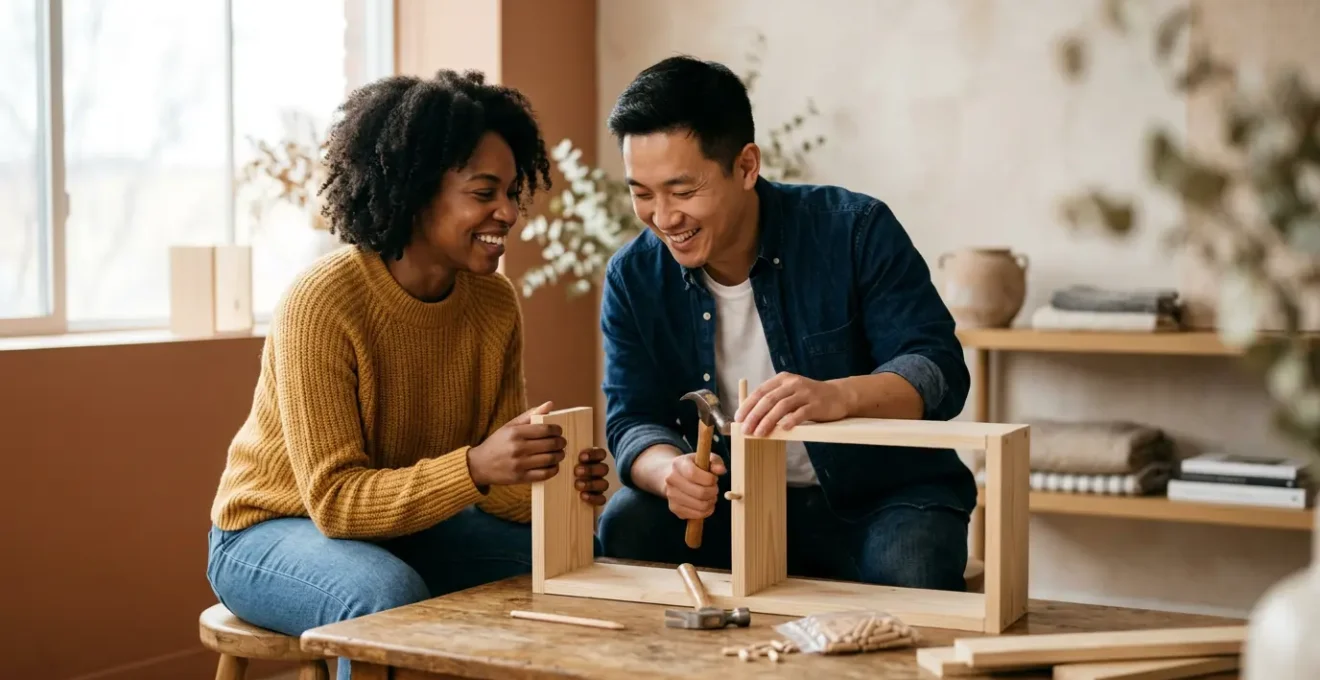
This image perfectly captures the essence of collaborative experience design. It’s not about one person imposing a vision on the other, but about two individuals bringing their unique perspectives together to create something new. This act of co-creation is what turns a simple holiday into a chapter in your shared story, strengthening your narrative capital. The surprise has its place, but the collaboratively planned journey often builds a more resilient and detailed memory.
The Romantic Cliché That Feels Performative to 60% of Modern Couples
In our hyper-connected world, there is a growing pressure to make our romantic lives « Instagrammable. » This has given rise to a specific type of romantic cliché: the performative grand gesture. Think of the flash-mob proposal in a public square, the dinner table laden with a dozen red roses under the harsh light of a restaurant, or the « surprise » luxury car with a giant bow. While seemingly romantic on the surface, a significant portion of modern couples—as suggested by the title’s 60% figure—find these moments feel hollow and inauthentic.
Why? Because their design is often focused on the audience, not the couple. The primary goal of a performative gesture is to be witnessed, photographed, and shared. It’s about broadcasting a certain image of a relationship rather than nurturing the private connection within it. It relies on a generic, socially-approved script for romance rather than the unique, intimate language that a couple has developed. It’s the difference between a declaration of love and a press release about it.
This feeling of performance undermines the very goal of a romantic experience. Authenticity is a cornerstone of genuine connection. When a gesture feels staged, it can create a sense of distance and even suspicion. The recipient might wonder, « Is this for me, or is it for your followers? » This is the antithesis of the self-expansion and shared vulnerability that novel experiences are meant to foster.
The antidote to performative romance is to prioritise privacy and personalisation. Design experiences that are meaningful within the four walls of your relationship, not for an external audience. An inside joke scribbled on a napkin, a shared moment of silence watching a sunset from a secluded spot, or successfully cooking a complex meal together for the first time—these are the moments that build real narrative capital. They are un-shareable on social media not because they aren’t beautiful, but because their meaning is entirely contained within the context of your relationship. And that is precisely what makes them so valuable.
How to Document Romantic Moments Without Disrupting Present-Moment Connection
You’ve designed the perfect, non-performative, novel experience. You’re in the moment, feeling connected… and then the phone comes out. Suddenly, the focus shifts from experiencing the moment to capturing it. The pressure to get the right angle, the perfect lighting, the witty caption, can instantly pull you out of the shared experience and put a screen between you. So, how do you solve the documentarian’s dilemma: creating lasting memories without sacrificing the present?
The answer lies in shifting your mindset from « capturing » to « mindful memory anchoring. » A capture is about preserving a perfect image for an audience. An anchor is about collecting a sensory trigger for your future selves. An anchor doesn’t need to be perfect; it just needs to be evocative. It’s not about the photo, but about what the photo helps you remember: the smell of the rain, the sound of your partner’s laugh, the feeling of the sun on your skin.
This requires a more intentional and less intrusive approach to documentation. Instead of constant snapping, agree on specific, brief « documentation windows. » For example, the first five minutes and the last five minutes of an activity. This frees you to be fully present for the majority of the experience. Another technique is to focus on details beyond the visual. Take a 30-second audio recording of the ambient sounds. Pick up a uniquely shaped pebble or a menu from the cafe. Write down a single sentence that captures an inside joke or a feeling.
These small, multi-sensory fragments become powerful retrieval cues later on. They are the building blocks for a much richer and more resilient memory than a camera roll full of generic selfies. They allow you to be a participant in your own life, not just its official photographer.
Your Action Plan: Mindful Memory Capture
- Set Boundaries: Before the activity, agree on tech-free periods or short, designated « photo moments » to protect the flow of the experience.
- Go Beyond the Visual: Actively collect other sensory data. Use your phone’s voice recorder for 30 seconds of ambient sound, write down a funny quote, or save a physical token like a ticket stub or seashell.
- Capture the « Why »: Instead of just a photo of a landmark, take a photo of your partner’s happy reaction to it. At the end of the day, voice-record a one-minute summary of your favourite moment and why it was special.
- Embrace Imperfection: A blurry photo that captures a genuine laugh is more valuable than a perfectly posed but sterile shot. Focus on capturing emotion, not technical perfection.
- Schedule a « Review Ritual »: Plan a time (e.g., a month later) to look through your anchors together. This act of shared recollection strengthens the memory and the bond.
Grand Hotel Chain or Intimate Boutique: Which Delivers Better Honeymoon Memories?
The choice of accommodation is often a central decision in planning a romantic getaway, especially a honeymoon. The debate frequently boils down to two options: the reliable, luxurious Grand Hotel Chain versus the character-filled, unpredictable Intimate Boutique. When viewed through the lens of experience design and memory creation, the choice becomes clearer. While the grand chain promises flawless service and amenities, the boutique hotel often provides a richer soil for growing lasting memories.
A large chain hotel is designed for consistency. The room in London will be remarkably similar to the one in Lisbon. This predictability is comforting for a business traveller, but for a romantic trip, it’s a memory desert. The smooth, anonymous perfection offers few unique features for a memory to latch onto. It’s a pristine but sterile environment, a blank canvas with no texture.
An intimate boutique hotel, on the other hand, is built on character. The quirky architecture, the locally sourced art, the unique scent in the lobby, the vintage armchair in the corner—these are not just features; they are memory anchors. They are distinctive, multi-sensory details that differentiate this experience from all others. You might not remember the exact thread count of the sheets in the chain hotel, but you will remember the way the morning light hit the terracotta tiles in the boutique, or the sound of the old-fashioned key turning in the lock.
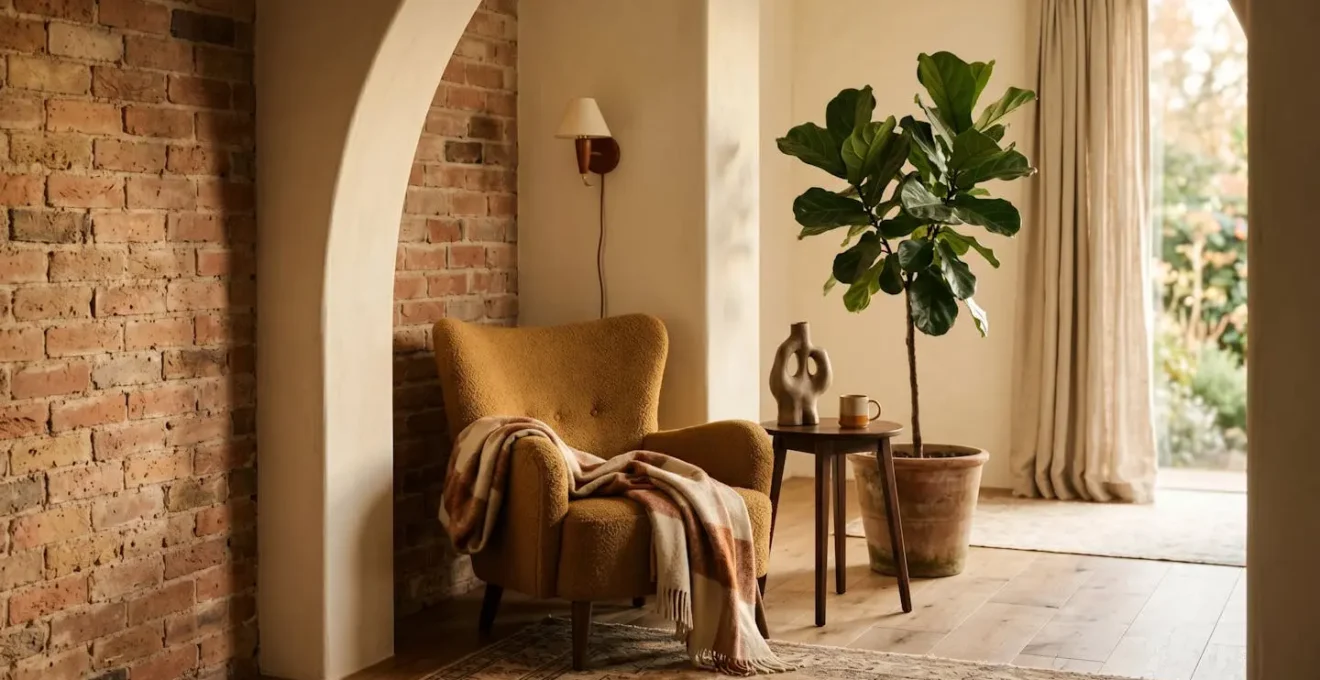
This kind of environment actively participates in your experience. A slight imperfection, like a creaky floorboard or an eccentric host, becomes a shared conspiratorial detail, a part of *your* story. The boutique hotel is not just a place to sleep; it becomes a character in your trip’s narrative. By choosing an environment that offers novelty and sensory richness, you are deliberately seeding your getaway with the very elements that make memories vivid and resilient.
Why 80% of Travel Memories Fade to Vague Impressions Within Six Months
It’s a dishearteningly common experience. You return from a fantastic trip, buzzing with stories and experiences. Yet, just a few months later, when someone asks for details, you find yourself struggling. The vibrant, high-definition memories have been compressed into a low-resolution summary: « It was great, the weather was lovely, and we had a good time. » This phenomenon, where as many as 80% of our travel memories can degrade into vague impressions within six months, is not a personal failing; it’s a fundamental feature of how our brains work.
This process is often explained by the « forgetting curve, » first proposed by psychologist Hermann Ebbinghaus. It demonstrates that we forget information at an exponential rate unless we actively work to retain it. Our brains are ruthless efficiency machines. To save space and energy, they discard details that seem unimportant or are not regularly revisited. Without specific, potent retrieval cues, a complex, multi-day experience gets flattened into a generic « holiday » file.
The key issue is the lack of distinct memory anchors. When we fail to consciously encode the specific sensory details of a moment—the taste of the street food, the texture of the old city wall, the specific song playing in the cafe—our brain has nothing to grab onto. It can’t differentiate the memory of « a nice dinner in Italy » from the dozen other nice dinners you’ve had. It’s the unique, specific, and often sensory information that protects a memory from this process of decay and generalisation.
Therefore, if we want to combat this natural memory fade, we cannot rely on our brains’ passive, automatic recording function. We must become active participants in the memory-making process. This means consciously identifying and reinforcing the details that make a moment unique. This is not about having a better memory; it’s about giving your memory better material to work with from the start.
Key takeaways
- Novelty over Luxury: Short, novel activities are scientifically proven to bond couples more effectively than passive, luxurious settings.
- Plan Collaboratively: The act of planning a trip together strengthens the memory of it and extends the romantic experience through anticipation.
- Prioritise Authenticity: Avoid « performative » gestures designed for an audience. The most powerful romantic moments are private and personalised.
Creating Lasting Travel Memories Through Strategic Experience Documentation
If our brains are naturally inclined to let the vibrant details of our most cherished moments fade, then we must adopt a strategy to fight back. The solution is not to simply take more photos, but to engage in strategic experience documentation. This is the conscious practice of creating and organising multi-sensory memory anchors that allow you to re-access not just the image of a moment, but the feeling of it.
This goes far beyond a chronological camera roll. A strategic approach involves building a richer, more interconnected memory palace. It means deliberately linking different sensory inputs to a single experience. When you look at a photo, you should also have a corresponding audio clip, a physical object, or a written note that can transport you back more completely.
The science behind this is compelling. Our memories are not stored as single files but as a distributed network of neurons. The more pathways you create to a specific memory, the stronger and more resilient it becomes.
The Science of Resilient Memories: Multi-Sensory Encoding
Research on memory integration shows that our brains build stronger, more fade-resistant memories when the information is encoded through multiple senses. A memory linked to a sight, a sound, and a smell is far more robust than one linked only to sight. When we later try to recall the event, activating one sensory cue (e.g., smelling a particular spice) can trigger a cascade, reactivating the entire network and bringing the full, rich memory back to life. Strategic documentation is simply the art of intentionally creating these multi-sensory cues for your future self.
So, on your next trip, don’t just be a photographer. Be a curator. Create a shared digital folder, but fill it with more than just photos. Add a link to the Spotify playlist you listened to. Write a shared note with your top three inside jokes. Scan the receipt from the tiny cafe where you had that amazing pastry. This collection becomes your shared narrative capital, an active archive you can revisit together, reinforcing the pathways and keeping the memories vibrant for years to come.
Start today. Your next shared cup of tea, walk in the park, or weekend away is an opportunity not for performance, but for practice. Begin designing your next small, shared experience and build the connection you both deserve.