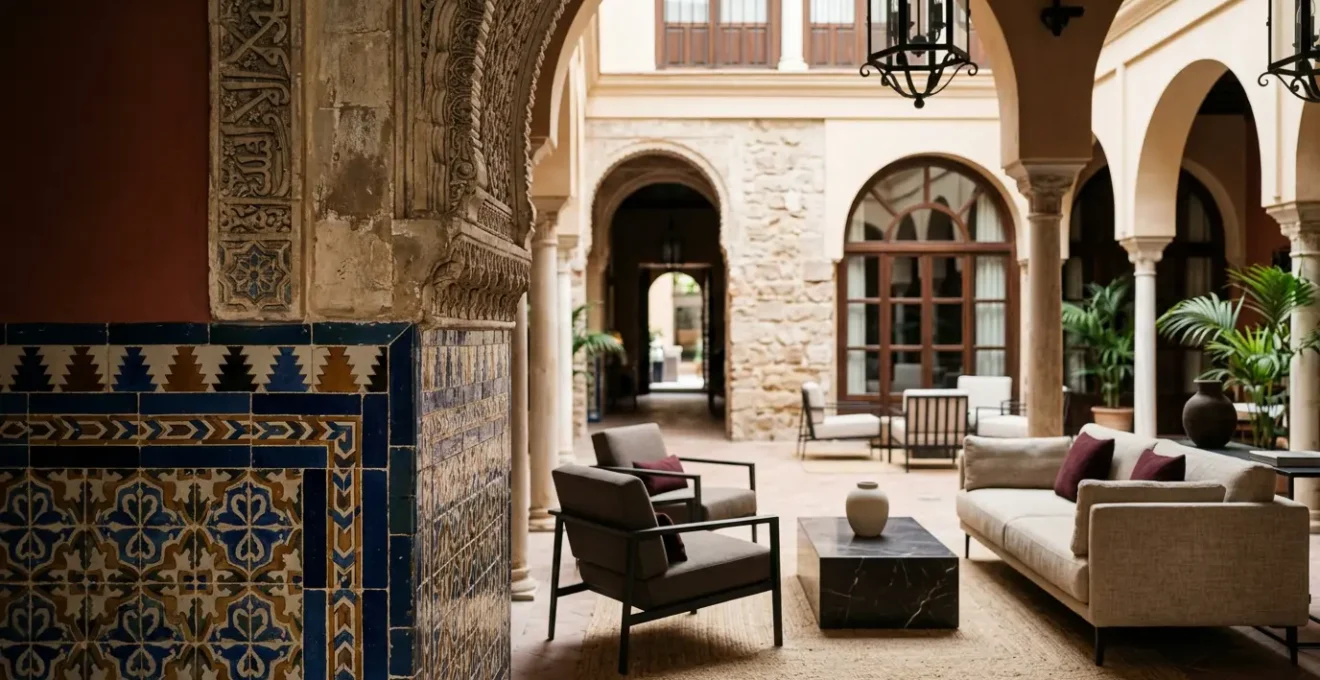
True Spanish luxury is not defined by star ratings or global brands, but by a unique cultural code you can learn to read.
- Discover how to differentiate between distinct regional hospitality styles, like the passionate traditions of Andalusia versus the sleek modernism of Catalonia.
- Master the techniques to verify that a hotel’s historic charm is backed by genuine modern comfort, not just a beautiful façade.
Recommendation: Use this framework to look beyond generic marketing and select hotels that offer an unforgettable, authentic Spanish experience.
For the discerning traveller, the promise of a luxury Spanish hotel often conjures images of sun-drenched courtyards, historic architecture, and impeccable service. Yet, the reality can sometimes be a letdown. You book a five-star property expecting authentic charm, only to find an experience indistinguishable from a hotel in London, Dubai, or New York. The standard advice—check TripAdvisor, look at the star rating, or browse glossy photos—often fails to capture the true essence of a place. This is because the most common metrics for luxury are often international, standardized, and culturally blind.
Many guides will offer lists of the « best » hotels, but they rarely equip you with the tools to make your own informed decision. But what if the key to finding authentic Spanish elegance wasn’t in following lists, but in learning to see? What if true luxury wasn’t about a checklist of amenities but about understanding the hotel’s « cultural terroir »—its deep connection to the region’s history, architecture, and service philosophy? This guide moves beyond the platitudes to offer a new framework. We will teach you how to decode the subtle signals that separate genuinely special Spanish hotels from the merely expensive, ensuring your next stay is a profound cultural immersion, not just a comfortable room.
This article provides a complete framework for understanding and selecting a truly premium Spanish hotel. From decoding regional differences to avoiding tourist traps, you will gain the expertise to make choices that align with your desire for authenticity.
Summary: A Guide to Historic Grandeur and Modern Sophistication
- Why Spanish Luxury Hotels Differ From International Five-Star Standards
- How to Identify Authentically Spanish Luxury Hotels Versus International Franchises
- Andalusian or Catalan Luxury: Which Spanish Hospitality Style Suits Your Preferences?
- The Spanish « Luxury » Hotel Trap in Overrun Tourist Destinations
- When to Book Spanish Luxury Hotels to Avoid Festival 400% Price Surges
- Why a Four-Star Hotel in Greece Differs Significantly From a Four-Star UK Hotel
- How to Verify Heritage Paris Hotels Have Modernized Rooms Beyond Façades
- Understanding How Hotel Classification Systems Vary Internationally to Avoid Disappointment
Why Spanish Luxury Hotels Differ From International Five-Star Standards
The first step in finding authentic Spanish luxury is to abandon the global five-star mindset. Unlike international chains that pride themselves on standardized excellence, Spain’s top-tier hospitality is often defined by its unique heritage and state-supported preservation. The most prominent example is the Paradores network, a collection of state-run hotels in castles, monasteries, and other historic buildings. This isn’t a simple hotel chain; it’s a national project to preserve culture. With 99 state-owned establishments with 6,051 rooms across Spain, the Paradores have created a distinct definition of luxury rooted in place and history.
This focus on heritage over standardized amenities has a profound impact. An international five-star might guarantee a 24-hour gym and a specific brand of toiletries, but a Parador guarantees an experience steeped in centuries of history. This approach has proven incredibly successful, not just culturally but also by reputation. In fact, the Paradores model demonstrates how a commitment to heritage can elevate a brand’s prestige beyond typical metrics.
Case Study: Paradores’ Global Reputation
According to Brand Finance, Paradores was the brand with the highest reputation in Spain in 2019-20 and the world’s leading hotel company in reputation from 2019-21. This remarkable achievement shows how the state-run heritage preservation model has successfully positioned Spanish-defined luxury on the world stage, proving that authenticity and cultural preservation are powerful assets that resonate more deeply with discerning travellers than a simple checklist of five-star features.
This philosophy extends beyond the Paradores to many privately owned ‘fincas’ and ‘palacios’. They operate on the principle that true luxury is not about conforming to a global standard but about offering an experience that is uniquely and unforgettably Spanish. Understanding this distinction is the foundational key to making the right choice.
How to Identify Authentically Spanish Luxury Hotels Versus International Franchises
With the understanding that Spanish luxury is unique, the practical challenge becomes distinguishing the real deal from the imitations. Many international hotel groups have « soft brands » (like Marriott’s Luxury Collection) that acquire historic properties, wrap them in a corporate identity, and present them as authentic. To see past the marketing, you need an « authenticity litmus test »—a systematic way to evaluate a hotel’s soul, not just its façade.
This involves looking beyond the professional photos and guest reviews to investigate the hotel’s very structure and philosophy. An authentically Spanish hotel is often a reflection of its owner’s or manager’s deep regional roots, which manifests in everything from the activities they offer to the materials used in its construction. Generic luxury is easily replicated; true cultural terroir is not. The following checklist provides a framework for your investigation.
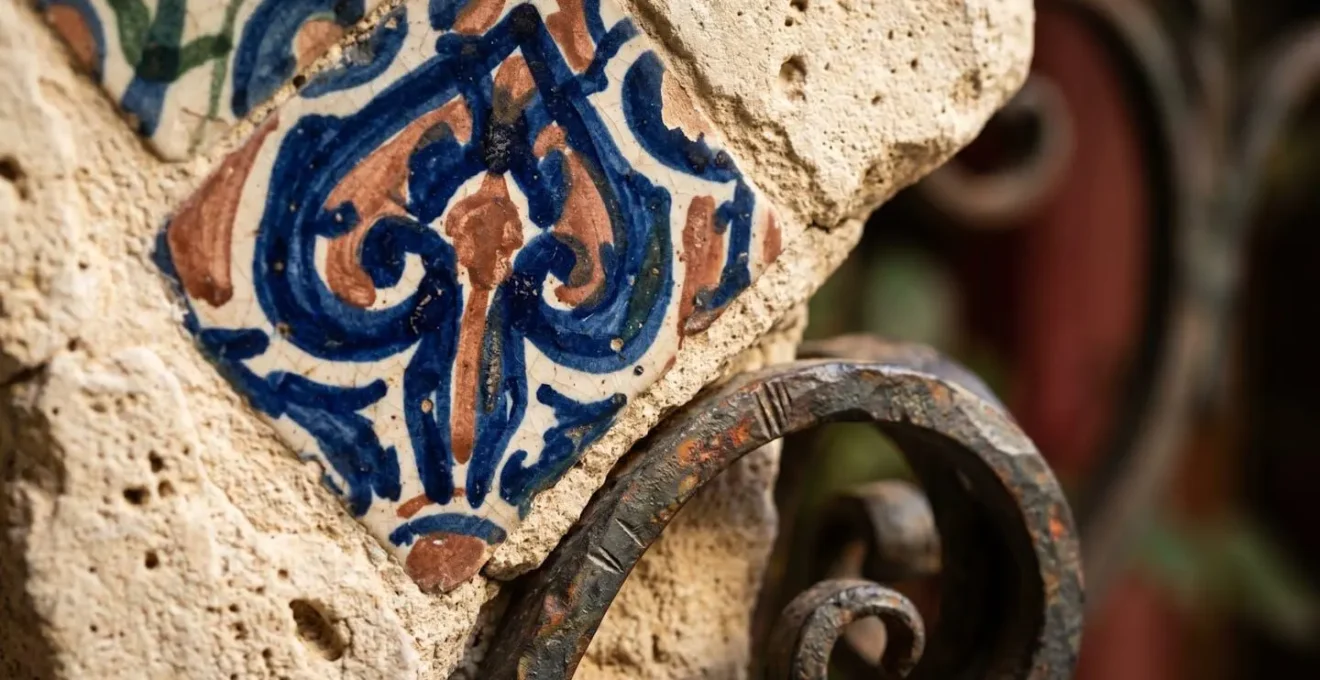
As this image suggests, true authenticity is found in the details—the texture of hand-painted `azulejos`, the coolness of regional marble, or the intricate work of local artisans. These are the elements that corporate design budgets often overlook but are central to the genuine Spanish luxury experience. They are tactile proof of a hotel’s connection to its location.
Your Action Plan: Verifying Authentic Spanish Heritage
- Points of Contact: Investigate the ownership structure. Is it a family-owned ‘Palacio’ or part of an international brand? Check the General Manager’s career path on LinkedIn—a history within Spain suggests a deeper cultural understanding than an international manager on a 2-year rotation.
- Collecte: Inventory the ‘Experiences’ menu. Are they generic « VIP tours » or location-rooted activities like private olive grove visits with the owner? Examine photos for regional materials versus generic international luxury aesthetics.
- Cohérence: Confront your findings with the hotel’s marketing. Does it claim « authenticity » but have an international GM, a generic spa menu, and imported design elements? Look for alignment between the story and the evidence.
- Mémorabilité/émotion: Assess the unique details. Does the hotel offer story-worthy elements rooted in its history and location, or does it rely on standard luxury tropes? True Spanish luxury creates lasting memories through its distinct character.
- Plan d’intégration: Based on your audit, shortlist the hotels that demonstrate deep-rooted authenticity. Discard those that appear to be merely a beautiful façade without a true Spanish soul, regardless of their star rating.
Andalusian or Catalan Luxury: Which Spanish Hospitality Style Suits Your Preferences?
Spain is not a monolith, and neither is its luxury. The concept of « cultural terroir » is most evident when comparing the distinct hospitality styles of its powerful regions. Two of the most prominent are Andalusia and Catalonia. Choosing between them is not about which is « better, » but about which sensory and cultural profile aligns with your personal preferences. An Andalusian luxury experience in a Seville ‘palacio’ is fundamentally different from a Catalan luxury experience in a modernist Barcelona hotel.
Andalusian luxury, influenced by centuries of Moorish history, is often characterized by an inward-facing architectural philosophy. Hotels are designed around central patios and courtyards, creating cool, private oases scented with jasmine and orange blossom. The service style is often passionate, theatrical, and steeped in storytelling. In contrast, Catalan luxury, particularly in Barcelona, is more outward-facing and cosmopolitan. Influenced by its history as a major port and the avant-garde spirit of Modernisme, it prioritizes natural light, sea views, and a sleek, design-conscious professionalism that feels more aligned with international standards.
This following comparison, with data drawn from travel cost analysis, highlights the fundamental differences in experience and price point, helping you decide which style of Spanish luxury is right for you. As a recent comparative analysis of regional costs shows, these stylistic differences also correlate with budget expectations.
| Characteristic | Andalusian Luxury Style | Catalan Luxury Style |
|---|---|---|
| Architectural Philosophy | Inward-facing ‘carmen’ or ‘palacio’ designed around central courtyards to escape heat | Outward-facing model prioritizing sea views, natural light, and connection to street life |
| Sensory Profile | Scent of orange blossom and jasmine, sound of flamenco guitar, taste of sherry, cool internal courtyards | Sight of avant-garde Modernisme, crisp taste of Cava, energy of Mediterranean metropolis, sea breeze |
| Service Style | Passionate, story-telling, theatrical service steeped in tradition | Sleek, efficient, design-conscious professionalism aligned with international standards |
| Average Daily Cost | €326 per person | €207 per person |
| Primary Cultural Influence | Moorish heritage, flamenco birthplace, traditional Andalusian charm | Catalan Modernisme, international trade history, cosmopolitan Barcelona appeal |
By understanding these regional nuances, you can move beyond a generic search for a « luxury hotel in Spain » and begin to search for the specific experience that will most resonate with you, whether it’s the historic romance of Andalusia or the creative energy of Catalonia.
The Spanish ‘Luxury’ Hotel Trap in Overrun Tourist Destinations
One of the biggest pitfalls for travellers seeking authenticity is the « luxury » hotel in a mass-market tourist destination. In areas like the Costa del Sol or parts of the Balearic Islands, you will find countless properties with high price tags and five-star labels. However, many of these hotels are designed to cater to an international palate, delivering a polished but ultimately sterile experience that has little to do with Spain itself. This is the ultimate Spanish ‘luxury’ trap.
These hotels often prioritize « hardware » over « software. » They may have multiple pools, vast buffets, and sleek, modern rooms, but they lack a sense of place. The food is international, the decor could be anywhere in the world, and the service, while professional, lacks the warmth and personal connection of a true heritage property. The breakfast buffet is a classic example: a massive spread with hundreds of items of average quality, designed to impress with quantity rather than the curated, artisanal quality of a truly Spanish luxury breakfast. It’s an experience built on generic expectation, not regional celebration.
To avoid this trap, you must be particularly skeptical in heavily touristed areas. Look for smaller, independent hotels that are often set back from the main beachfront strips. Prioritize properties that speak proudly of their local suppliers, their regional recipes, and their family history. An authentic luxury experience is about quality over quantity, and connection over conformity. A simple, perfect breakfast with local jamón, artisanal cheese, and fresh-squeezed orange juice is a more profound luxury than a ten-metre-long buffet of generic pastries.
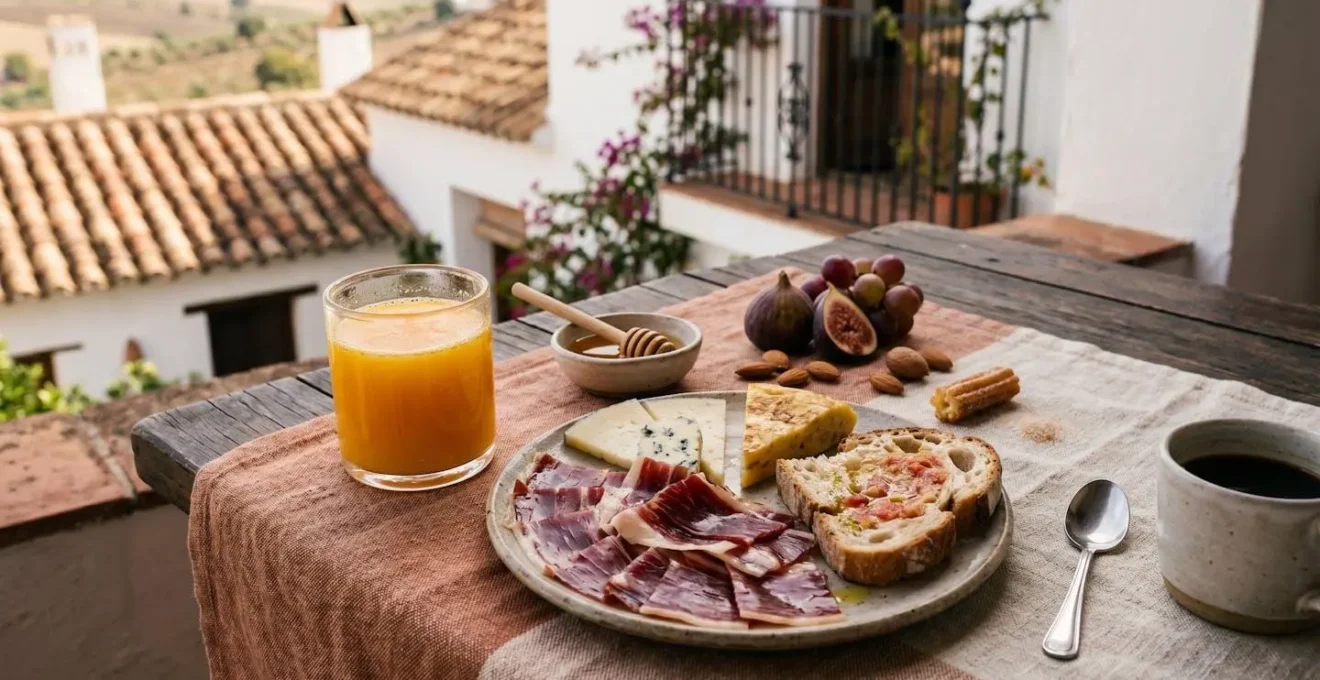
The image of a thoughtfully curated breakfast serves as a powerful metaphor. It represents a philosophy of hospitality that values quality, regionality, and authenticity over mass-market appeal. This is the kind of subtle luxury that is often missed by those only looking at star ratings or room size.
When to Book Spanish Luxury Hotels to Avoid Festival 400% Price Surges
Even after you’ve identified the perfect authentic hotel, your experience can be made or broken by timing. Spain is a country of vibrant, passionate festivals, from Seville’s Feria de Abril to Valencia’s Las Fallas. While attending these events is a spectacular experience, they cause hotel prices to skyrocket—often by 400% or more. Booking strategically is not just about saving money; it’s about avoiding the crowds and chaos that can detract from a luxury experience.
The key is to understand the rhythm of Spanish cultural and business life. Major festivals are the obvious culprits for price hikes, but they are not the only ones. Each city and town has its own ‘Calendario de Festivos Locales’ (Calendar of Local Holidays), often celebrating a patron saint, which are unknown to most tourists but can fill up hotels and drive up prices instantly. Furthermore, major international business conferences, like the Mobile World Congress in Barcelona, can paralyze a city’s hotel inventory more effectively than any tourist event. A discerning traveller must become a savvy researcher, looking beyond the typical tourism calendar.
However, this same calendar also presents opportunities. For example, the « August Exodus, » when locals from major inland cities like Madrid flee the heat for the coast, creates a surprising window of value. Top city hotels that are usually booked by corporate clients see a dramatic drop in demand, offering exceptional rates for those willing to brave the summer temperatures. Here are some key strategies for timing your booking, based on insights from hospitality industry analysis.
- Strategy 1: Book for days immediately preceding official festival starts or following festival ends. This allows you to experience the festive atmosphere that builds up or lingers, without paying the absolute peak prices.
- Strategy 2: Research each city’s ‘Calendario de Festivos Locales’. A quick search for this term plus the city name can reveal hidden price-spike days that general travel guides will miss.
- Strategy 3: Check convention center schedules. Before booking for a major city, look up the schedules for its main exhibition centers to avoid major medical, automotive, or tech conferences that absorb all room availability. This data is highlighted in reports from firms like those analyzing the Spanish hospitality industry.
- Strategy 4: Leverage the ‘August Exodus’. Consider a city break in Madrid or Seville in August. While hot, it can offer unparalleled value in some of the country’s finest hotels as corporate and local demand plummets.
Why a Four-Star Hotel in Greece Differs Significantly From a Four-Star UK Hotel
To truly understand Spanish hotel ratings, it helps to zoom out and recognize that there is no universal standard. The meaning of a « four-star hotel » changes dramatically from country to country. A four-star in the UK, rated by the AA, prioritizes service, professionalism, and comfort—what we can call the « software. » A four-star in Greece, however, is often rated based on government-mandated « hardware »—the physical assets like the presence of a pool, the square footage of the room, or proximity to a beach.
This « hardware vs. software » dichotomy is crucial. In Northern European systems, a hotel could be in a less glamorous building, but if the service is flawless, the breakfast perfect, and the staff exceptionally professional, it will be highly rated. In many Southern European systems, a hotel might have breathtaking views and a beautiful pool but offer more informal service and still achieve a high star rating. Spain is particularly complex in this regard. The national system is fragmented, with data showing that Spain and Italy use 17 and 21 separate regional classifications respectively, each with its own nuances and priorities.
This fragmentation means a four-star hotel in Andalusia may be judged by different criteria than one in the Basque Country. This is why relying solely on a star rating is a recipe for disappointment. The table below illustrates the fundamental differences in philosophy between a « hardware-focused » system like Greece’s and a « software-focused » one like the UK’s, which helps contextualize the blended approach you often find in Spain.
| Aspect | Greek Four-Star System | UK Four-Star System |
|---|---|---|
| Primary Rating Focus | ‘Hardware’ – physical assets (pool, beach access, room size) mandated by government regulation | ‘Software’ – service quality, staff professionalism, dining experience (e.g., AA rating) |
| Cultural Expectation | Sun, views, relaxation; service can be warm but less formal | Efficiency, comfort, reliability (flawless breakfast, prompt service), even if building less glamorous |
| Seasonality Impact | Many four-stars are seasonal operations, affecting maintenance consistency and staff training | Typically year-round operations with permanent teams, leading to consistent polish and reliability |
| Flexibility for Quirks | Southern European systems allow more charm-based exceptions | Northern European systems prioritize functionality; missing amenity considered major flaw |
Understanding this global context frees you from the tyranny of the star rating and empowers you to look for the qualities that actually matter to you, whether it’s the impeccable service of a UK-style model or the charming, view-focused Greek-style model.
How to Verify Heritage Paris Hotels Have Modernized Rooms Beyond Façades
The challenge of balancing historic charm with modern comfort is not unique to Spain. Lessons learned from other great heritage cities, like Paris, are highly applicable. In Paris, discerning travellers have long known that a magnificent Haussmannian façade can hide rooms with outdated plumbing, insufficient power outlets, and poor lighting. The same is true for a Spanish ‘palacio’. The critical skill is to verify that a hotel’s renovation was a deep, infrastructural investment, not just a cosmetic touch-up.
The « renovation litmus test » involves becoming a digital detective, scouring guest-submitted photos and reviews for clues. Professional hotel photography is designed to hide flaws; user-generated content, while subjective, often reveals the unvarnished truth. You must train your eye to look for the things that determine true comfort: water pressure, light quality, and connectivity. A hotel that has invested properly is proud of these details, and evidence of this investment will be visible.
Conversely, a hotel that has cut corners on its renovation will betray itself in the small details. A beautifully decorated room that has only one inconveniently located power outlet is a sign of a superficial upgrade. A stunning marble bathroom with a weak, lukewarm shower is a classic failure of modern luxury. Here are some investigative techniques, honed in the demanding Parisian market, that you can apply to any Spanish heritage hotel:
- The Bathroom Litmus Test: Obsessively scan traveller photos of bathrooms. Look for modern fixtures like rain showers and thermostatic mixers, good lighting around the mirror, and quality materials. An old, poorly lit bathroom is proof that the renovation was purely cosmetic.
- The Power Outlet & Wi-Fi Detective: Search guest reviews for keywords like ‘outlets’, ‘sockets’, ‘USB’, and ‘Wi-Fi’. A pattern of complaints about slow internet or a lack of conveniently placed outlets (especially by the bed) proves the renovation didn’t address modern infrastructure needs.
- Investigate the Renovation’s Author: Search for « [Hotel Name] + renovation + architect » or « interior designer. » A high-profile design firm is a stamp of quality, and their involvement is usually well-documented. This shows the owners took the renovation seriously.
- Check the Lowest Category Room: Hotels showcase their best suites in professional photos. Actively search for traveler videos or reviews of the ‘Classic’ or ‘Standard’ rooms. The true quality of a hotel’s investment is measured by the comfort of its smallest, most basic room.
By applying these forensic techniques, you can ensure that the historic grandeur you are paying for is complemented by the seamless modern comfort you expect, avoiding a beautiful but ultimately frustrating stay.
Key Takeaways
- True Spanish luxury is defined by « cultural terroir » and heritage, not international five-star standards.
- Discerning travellers must use an « authenticity litmus test » to distinguish genuinely historic hotels from corporate-branded imitations.
- Hotel star ratings are not universal; understanding the difference between « hardware » (assets) and « software » (service) systems is crucial.
Understanding How Hotel Classification Systems Vary Internationally to Avoid Disappointment
Ultimately, the path to avoiding disappointment lies in a fundamental shift in perspective: you must stop using the star rating as your primary tool for selection. As we’ve seen, these systems are fragmented, culturally biased, and often prioritize tangible assets (« checklist model ») over the quality of the actual experience (« experience model »). Spain’s 17 regional systems are a prime example of this hardware-focused approach, where having an elevator might be a scored criterion.
In contrast, systems like the Forbes Travel Guide or the UK’s AA rating are built around the guest experience—service quality, staff attentiveness, and overall comfort. This is the « software » that truly defines a luxury stay. While initiatives like the Hotelstars Union are working to harmonize standards across Europe, with 21 member countries using 247 harmonized criteria, major players like Spain, Italy, and the UK remain outside this unified system. This leaves the traveller to navigate a confusing landscape alone.
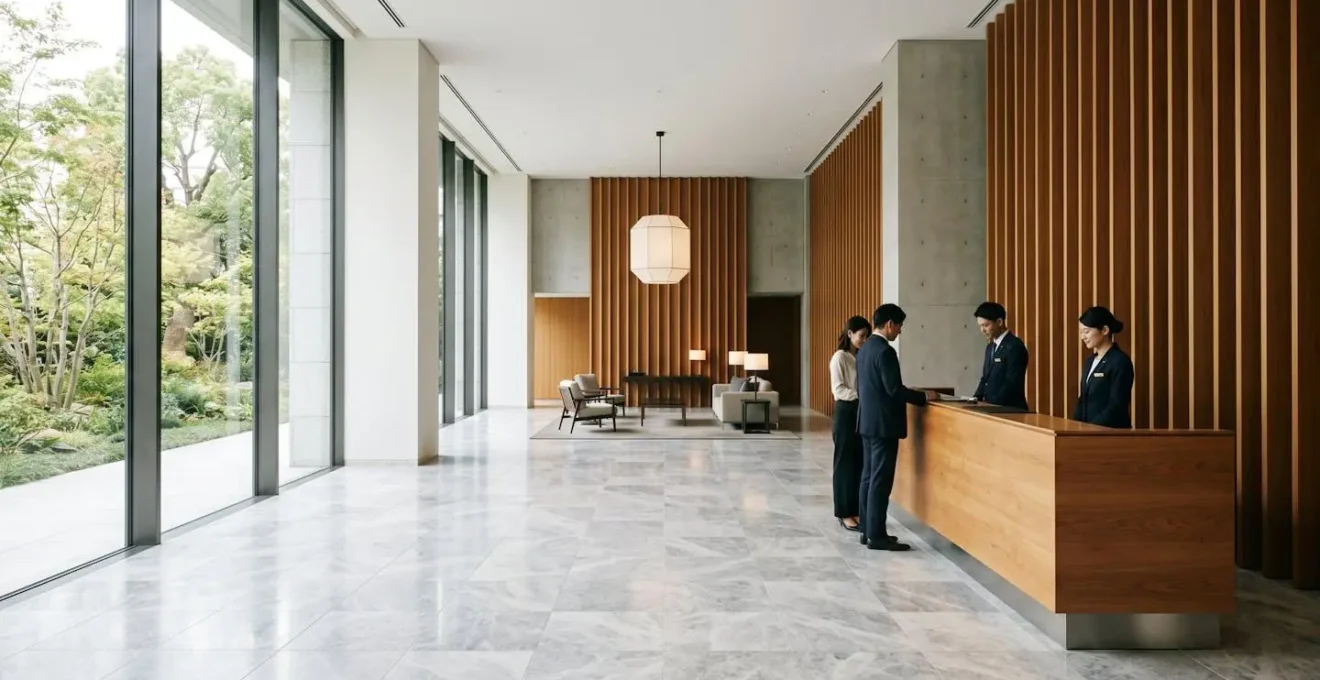
The modern, empowered traveller’s strategy is to create their own meta-rating. This involves layering information from multiple sources. You start by identifying a hotel that appears to have the right « cultural terroir, » then you apply the « authenticity litmus test » to verify its substance. Finally, you cross-reference with recent guest reviews from travellers whose profiles seem similar to your own, looking for comments on « software »—service, atmosphere, and comfort—rather than just « hardware. »
The emergence of global curators like the Michelin Keys, which focus on architecture and unique character, offers a promising new layer. But even these should be treated as one data point among many. The following table synthesizes the global classification landscape, providing a strategic map for your decision-making.
| System Type | ‘Checklist’ Model (Southern Europe) | ‘Experience’ Model (US/UK) |
|---|---|---|
| Primary Basis | Government-regulated system awarding stars for tangible assets (elevator presence, room size in m²) | Brand reputation and privately audited service standards (Forbes Travel Guide) matter more than physical checklist |
| Example Countries | Spain (17 regional systems), Italy (21 regional systems), Greece | United States (Forbes, AAA Diamonds), United Kingdom (AA) |
| Cultural Priority | Charm, location, history – allows for quirks | Efficiency, functionality, flawless service – missing amenity is major flaw |
| Emerging Layer | Global curators: Michelin Keys (architecture, design, unique stay), Forbes Travel Guide (service execution), Leading Hotels of the World (quality alliance) | |
| Traveler Strategy | Ignore star rating as primary tool; use recent guest reviews from similar travelers, curated lists, and meta-ratings (Booking.com, Google) for complete picture | |
Your next step is to apply this sophisticated framework to your own travel planning. Move beyond the simplistic star ratings and start evaluating hotels based on their cultural authenticity, service philosophy, and true modern comfort. By doing so, you transform yourself from a mere tourist into a discerning connoisseur of Spanish hospitality.